Wedding documentation styles: find your perfect fit for elopements
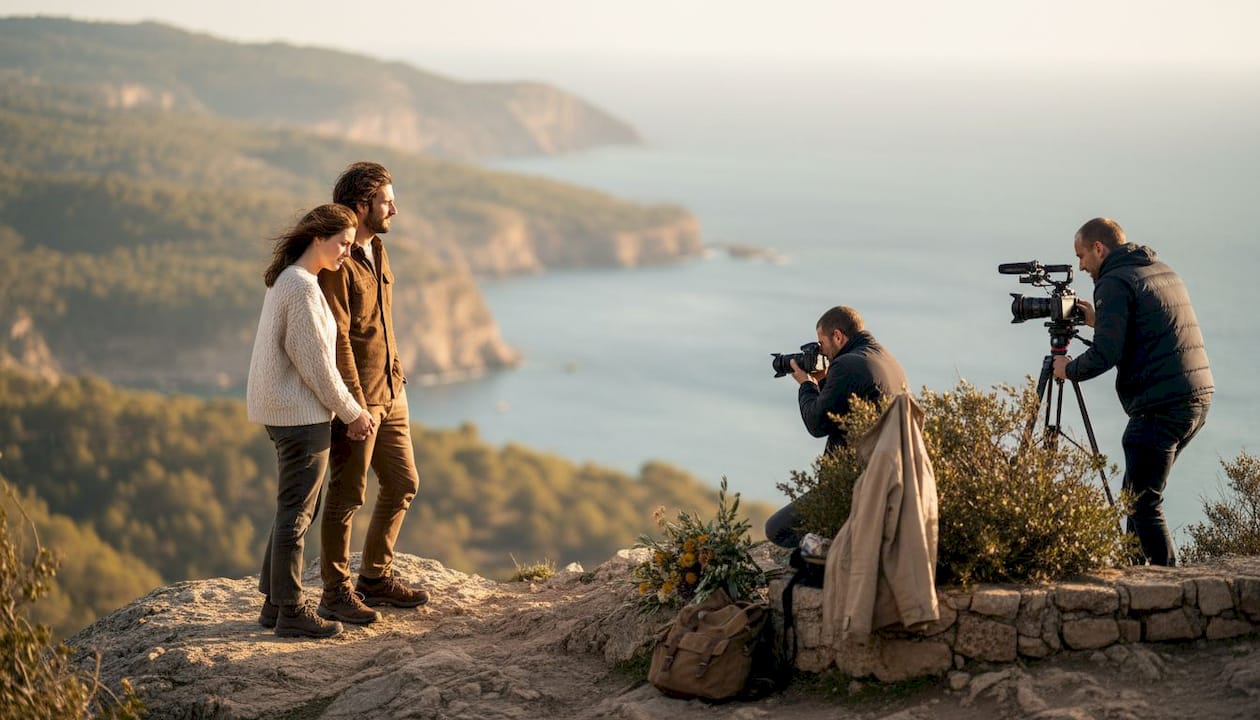
TL;DR:Couples should choose a documentation style based on their emotional priorities and comfort level.Cinematic and documentary styles are popular for their storytelling and authenticity in elopements.Personal connection with the storyteller is crucial for capturing genuine, powerful wedding memories.
Choosing how to document your elopement in Spain is one of the most personal decisions you will make. Not because it affects the logistics, but because it defines how you will feel when you watch your story unfold years from now. Every style carries a different emotional fingerprint, a different way of holding your memories. Adventurous couples who choose intimate elopements over grand ballroom weddings already understand that presence matters more than performance. So why settle for documentation that feels generic? This guide walks you through every major wedding documentation style, how to compare them honestly, and how to find the one that truly fits your love story.
Table of Contents
- How to choose a wedding documentation style for your elopement
- Cinematic wedding videography
- Documentary and photojournalistic approaches
- Traditional and hybrid documentation styles
- Side-by-side comparison: Which style fits your story?
- Our take: What most couples overlook about wedding documentation
- Ready to capture your love story? Start your adventure with style
- Frequently asked questions
Key Takeaways
| Point | Details |
|---|---|
| Define your vision | Knowing your priorities helps you choose a documentation style that fits your story. |
| Cinematic and documentary lead trends | Elopement couples in Spain favor cinematic video and authentic, candid photography for storytelling impact. |
| Hybrid approaches are flexible | You can blend classic poses with unposed moments for an experience tailored to you. |
| Connect with your team | Trust and communication with your storyteller produce the most meaningful results. |
How to choose a wedding documentation style for your elopement
Not every couple needs the same approach. What moves one pair to tears might feel stiff and staged to another. Before you fall in love with a particular aesthetic on social media, it helps to get clear on what you actually want your memories to feel like.
Here are the key criteria to work through before making any decisions:
- Define your emotional priorities. Do you want your film to feel like a cinematic short story, or do you want raw, unscripted moments captured exactly as they happened? Authenticity, mood, and visual quality are not the same thing. Know which one matters most to you.
- Think about your story’s landscape. Spain offers extraordinary backdrops, from sun-soaked Andalusian cliffs to the golden light of the Balearic Islands. The right documentation style will honor the landscape as much as it honors you.
- Consider your comfort level with direction. Some couples love a little gentle guidance for portraits. Others freeze the moment a camera is pointed at them. Be honest about this. It will shape which style feels natural.
- Factor in time and budget. A four-hour intimate ceremony calls for a different approach than a two-day multi-location adventure. Your documentation style should match the rhythm of your day, not fight against it.
- Align on logistical support. Intimate elopement trends show that couples increasingly want their storyteller to also help plan the experience, not just show up and shoot.
The videography essentials you prioritize will also shape your decision. Cinematic video is rising in demand alongside a documentary shift that values authenticity over posed perfection.
Pro Tip: Before booking anyone, have a real conversation with your storyteller. Share your vision, your fears, and what makes your relationship unique. The connection you feel in that conversation will tell you everything.
Cinematic wedding videography
Cinematic wedding videography is the art of turning your elopement into a film. Not a home video. Not a slideshow. A film, with intentional pacing, emotional narrative, and visuals that feel like they belong on a screen.
Here is what defines the cinematic approach:
- Film-like editing. Every cut is deliberate. Scenes build on each other to create emotional momentum, much like a short film you cannot stop watching.
- Natural light mastery. Spain’s golden hour light is extraordinary. Cinematic filmmakers use it as a character in your story, letting it whisper warmth and romance into every frame.
- Music-scored storytelling. The right soundtrack transforms a beautiful moment into an unforgettable one. Music is chosen to mirror your emotional arc, not just fill silence.
- Creative camera movement. Slow motion, wide establishing shots, intimate close-ups. These tools create depth and feeling that static photography simply cannot replicate.
This style is best for couples who want their wedding film to feel like a movie they will watch together every anniversary. It rewards trust. The more you let your filmmaker lead, the more extraordinary the result.
“The rise in demand for authentic cinematic video reflects a generation of couples who want their memories to move them, not just remind them.”
What makes romantic wedding filmmaking so powerful for elopements specifically is the intimacy of scale. With fewer people, the camera can get closer. The moments are quieter, more tender, and more real. Cinematic wedding storytelling thrives in that environment.
Pro Tip: Share a list of two or three moments that matter most to you, then step back and trust the creative process. Over-directing leads to footage that feels rehearsed rather than real.
If you want to understand this style more deeply, the cinematic videography guide is a wonderful place to start.
Documentary and photojournalistic approaches
If cinematic videography is a love letter written in poetic prose, documentary and photojournalistic styles are the raw journal entries. Honest. Immediate. Deeply human.
This approach prioritizes what actually happened over what looked beautiful. And often, those two things are the same.
Key features of documentary and photojournalistic coverage include:
- Candid, unscripted moments. Laughter that erupts without warning. Tears that fall before the vows are even finished. These are the moments that make your story yours.
- Minimal interference. Your storyteller moves quietly, almost invisibly, allowing your day to breathe and unfold naturally.
- Real-time emotional capture. Rather than recreating moments, this style catches them as they live and die in real time.
- Natural light emphasis. No artificial setups. The light is whatever the moment offers, and that rawness is part of the beauty.
“Authenticity is the new standard for wedding memories.”
The documentary shift toward authenticity over posed perfection reflects something deeper in our culture. Couples no longer want to perform their wedding. They want to live it.
This style is perfect for couples who feel awkward in front of a camera, who dislike being directed, or who simply want their memories to feel as honest as the love they share. Explore cinematic photography that blends this honesty with visual artistry, or dive into the full films and photography guide to see how both mediums can work together.
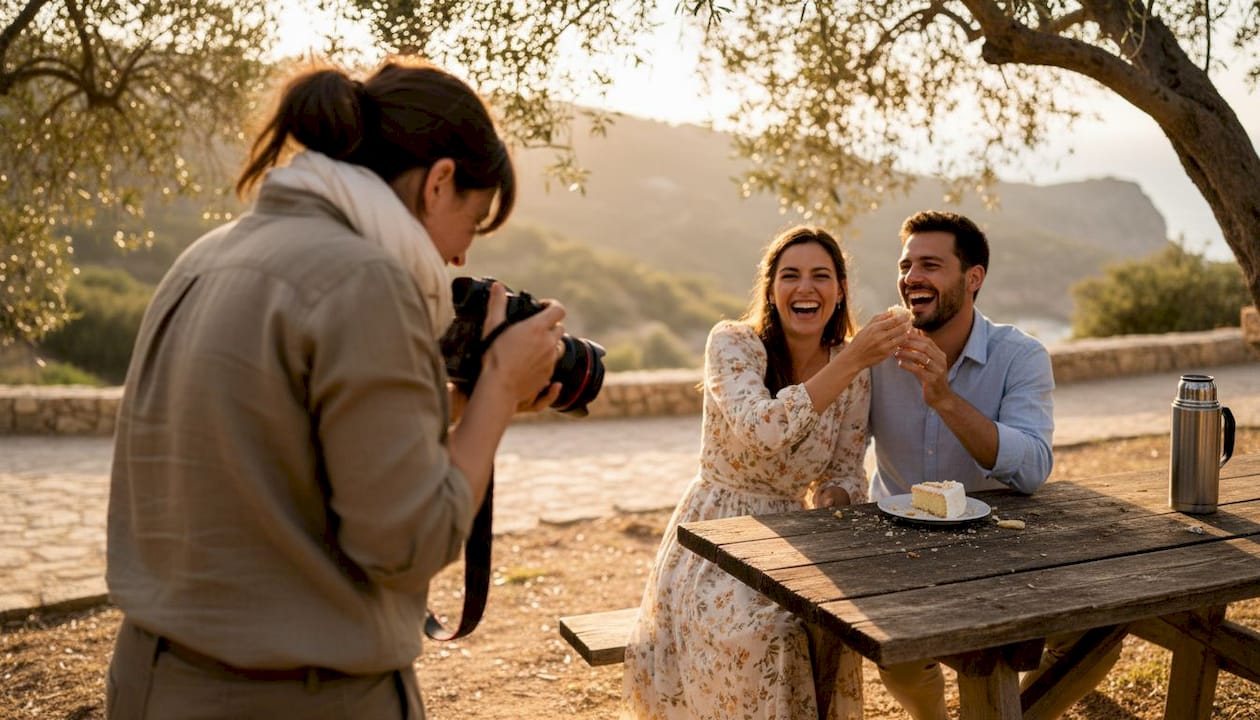
For elopements in Spain, this approach pairs beautifully with wild, untamed landscapes where the environment itself tells part of the story.
Traditional and hybrid documentation styles
Not every couple wants to abandon structure entirely. Some love the idea of a few timeless, directed portraits alongside their candid moments. That is where traditional and hybrid styles come in.
Traditional style focuses on posed portraits, ceremony essentials, and group shots. It is organized, predictable, and delivers a classic set of images that families often treasure. The trend leaning away from rigid posing does not mean traditional coverage is wrong. It simply means couples want it personalized, not formulaic.
Hybrid style blends the best of both worlds. A few gently directed portraits, combined with documentary candid moments and cinematic editing. It gives couples structure without sacrificing spontaneity.
Here is a quick comparison to help you see the differences clearly:
| Style | Key feature | Best for | Editing approach |
|---|---|---|---|
| Traditional | Posed, formal portraits | Couples wanting classic images | Minimal, clean edits |
| Hybrid | Mix of candid and directed | Couples wanting flexibility | Moderate creative editing |
| Documentary | Unscripted, real-time | Couples who dislike posing | Authentic, light editing |
| Cinematic | Film-like narrative | Couples wanting a movie-feel | Heavy creative storytelling |
Working with an experienced elopement videographer who understands tailored storytelling means you do not have to choose just one box. The best storytellers adapt to your energy, your landscape, and your day.
Side-by-side comparison: Which style fits your story?
You have seen each style individually. Now here is how they compare when placed side by side, so you can make a clear, confident decision.
| Style | Authenticity level | Couple involvement | Emotional tone | Best elopement fit |
|---|---|---|---|---|
| Traditional | Low to moderate | High (directed) | Formal, classic | Couples wanting structure |
| Hybrid | Moderate to high | Medium | Warm, balanced | Couples wanting both |
| Documentary | Very high | Low (observer) | Raw, intimate | Couples who want honesty |
| Cinematic | High | Low to medium | Emotional, epic | Couples wanting a film |
Documentary and cinematic approaches consistently rank as the top choices for couples focused on storytelling and authenticity, which is exactly what most elopements are built around.
Here is a simple decision checklist to guide your final choice:
- Do you want your memories to feel like a film? Choose cinematic.
- Do you want raw, unfiltered truth? Choose documentary.
- Do you want a mix of beautiful portraits and real moments? Choose hybrid.
- Do you want organized, classic coverage? Choose traditional.
- Are you unsure? Ask to see what video captures that photos simply cannot.
Pro Tip: Always ask your filmmaker or photographer to show you full films and complete galleries, not just highlight reels. A highlight reel is designed to impress. A full film shows you how they truly tell a story.
Our take: What most couples overlook about wedding documentation
Here is the truth that most couples miss: the label of a style matters far less than the connection you have with the person behind the camera.
We have seen couples invest in the most technically impressive cinematic packages only to receive footage that feels cold and disconnected. And we have seen simple, intimate documentary films that shatter hearts in the best possible way, because the storyteller truly knew the couple.
Most people compare packages, pricing, and style categories. Very few ask: does this person understand my story? Do they care about the emotional texture of our relationship, not just the shot list?
“Personalized planning and a trusting relationship unlock the most powerful wedding memories.”
The elopement storytelling magic happens in the space between the planned moments. It lives in the glance, the exhale, the laugh that nobody expected. That only gets captured when your storyteller is fully present and deeply invested in you.
Ready to capture your love story? Start your adventure with style
If your elopement in Spain deserves more than a checklist approach, we would love to help you bring it to life. At Stories by DJ, Dominick works with just three to six couples per year, which means your story receives the kind of undivided attention and creative care that transforms a beautiful day into a timeless film.
From hidden gem location scouting to full cinematic storytelling, every detail is designed around you. Explore our planning tips to start building your vision, browse elopement inspiration from real couples across Spain, or discover how we approach cinematic storytelling in Spain to create something truly extraordinary. Your love story deserves to be told beautifully.
Frequently asked questions
What is the most popular wedding documentation style for elopements?
Cinematic videography and documentary photojournalism are the top choices for modern elopements, as both prioritize storytelling and emotional authenticity over traditional posed coverage.
How do I choose between cinematic and documentary styles?
Ask yourself whether you want a creatively edited, film-like experience or honest, spontaneous moments captured in real time. Many couples find that a blend of both feels most true to their elopement spirit.
Is cinematic wedding videography worth it for small elopements?
Absolutely. In fact, intimate elopements are where cinematic videography shines brightest, because the smaller scale allows for closer, more emotionally powerful storytelling.
Can I combine different documentation styles for my wedding?
Yes, and many couples do. A skilled filmmaker can weave cinematic editing, candid documentary moments, and a few directed portraits into one cohesive, deeply personal film and photo collection.
Recommended
- Essential Checklist for Wedding Planning vs Elopement - Find Your Perfect Fit
- How to Choose the Perfect Elopement Outfit for Your Style - A Guide to Cherishing Your Love Story
- Elopements vs Traditional Weddings - What’s Right for You?
- Why Elopements Are Better Than Microweddings - Find Your Perfect Fit
Previous Article
Elopement Photographer Sierra Helada: Cliffs and Wind

I'm Dominick let's craft your perfect Mediterranean elopement.
Let's create a day that captures your love, surrounded by the Mediterranean's beauty. Ready to plan your perfect escape?
Start your Adventure Let's talk!