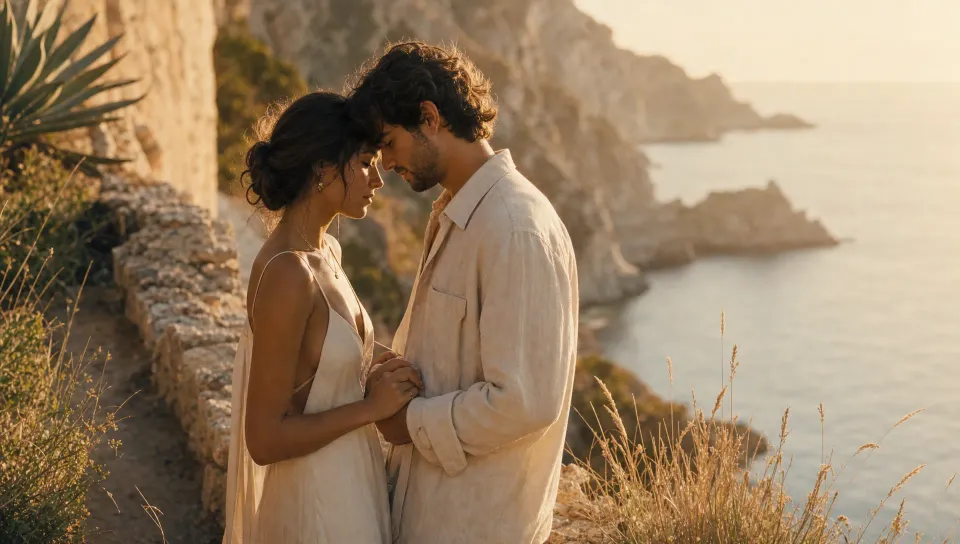
Romantic wedding filmmaking: your cinematic elopement guide
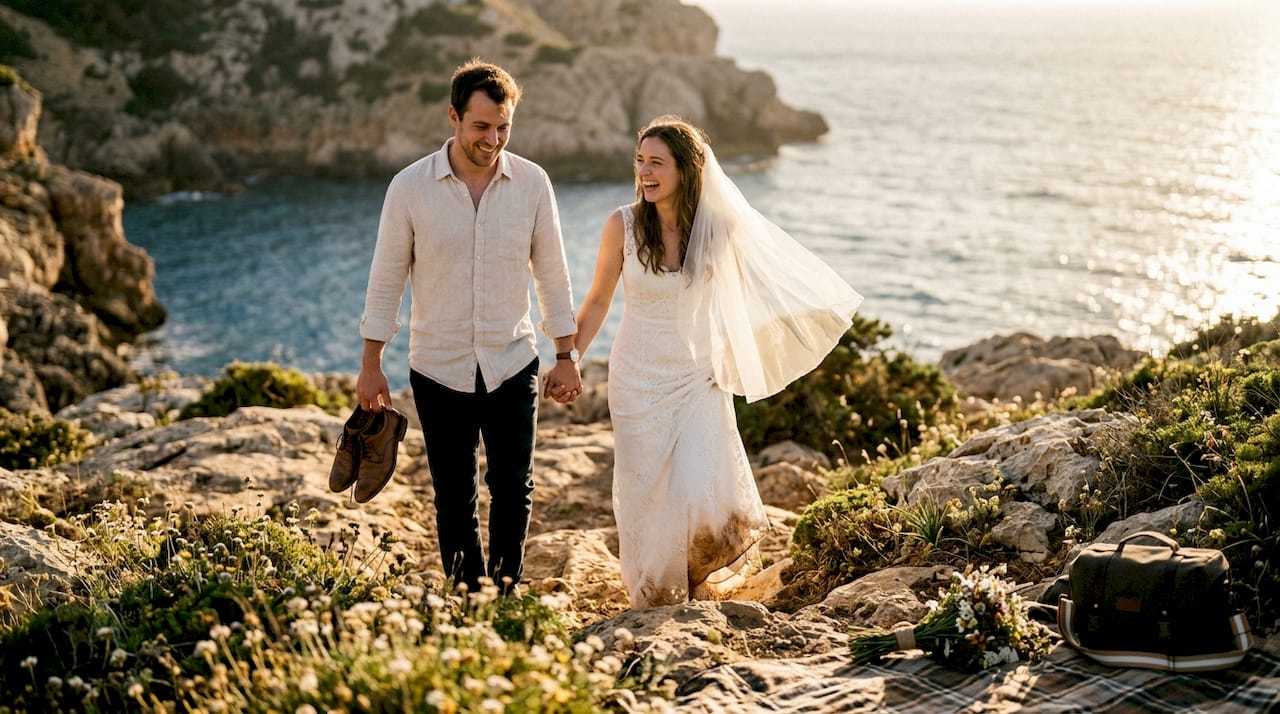
TL;DR:Romantic wedding filmmaking emphasizes storytelling and emotion over chronological event coverage.This cinematic style is ideal for intimate elopements due to its flexibility, mood, and atmospheric visuals.Choose a filmmaker with emotional intelligence and location expertise to craft a personalized, impactful film.
Most couples assume a wedding video is simply a polished recap of the day’s events, played back in order from vows to cake cutting. But romantic wedding filmmaking is something entirely different. It turns your real love story into a movie-like experience, one that pulses with emotion, breathes with atmosphere, and lingers long after the credits fade. If you are planning an intimate elopement in a breathtaking destination and want something that truly captures the feeling of that day, not just the footage, this guide is for you. We will cover what romantic wedding filmmaking actually means, how it compares to traditional styles, and how to choose the right approach for your elopement.
Table of Contents
- Defining romantic wedding filmmaking
- Cinematic vs. documentary: Key differences in style
- Why romantic wedding filmmaking is perfect for intimate elopements
- Techniques and trends in romantic wedding filmmaking (2026)
- Our take: What truly sets cinematic wedding filmmaking apart
- Ready to create your unforgettable romantic elopement film?
- Frequently asked questions
Key Takeaways
| Point | Details |
|---|---|
| Emotional storytelling | Romantic wedding filmmaking creates a narrative that feels like a movie of your real love story. |
| Perfect for elopements | This style adapts beautifully to intimate, adventurous destinations with a focus on authentic emotion. |
| Trends for 2026 | Personalization, orchestral music, and dynamic pacing are redefining how elopement films look and feel. |
| Know your style | Choose between cinematic artistry and documentary realism based on what you want to remember most. |
| Expert planning matters | Select a filmmaker who offers full-service support, location expertise, and creative vision for your film. |
Defining romantic wedding filmmaking
At its heart, romantic wedding filmmaking is about storytelling. Not documentation. Not a highlight reel. A story with a beginning, an emotional arc, and a resolution that makes your heart ache in the best possible way.
As Brides describes it, romantic wedding filmmaking is “a cinematic style that turns couples’ stories into emotional, movie-like experiences, using aesthetic visuals and dramatic pacing.” That definition says a lot. Notice it does not mention timestamps or event coverage. It mentions emotion and pacing, the same language used to describe great films.
So what does this actually look like in practice? Think of the difference between a home video of a road trip and a beautifully edited travel film. Both capture the same journey. But only one makes you feel it.
Romantic wedding filmmaking uses a narrative arc, similar to the structure of a romance film. It moves through tension, tenderness, joy, and release. Scenes are chosen not because they happened in sequence, but because they serve the emotional story being told.
Here is what sets it apart:
- Mood over chronology: Scenes are arranged to build emotional momentum, not to document what happened first.
- Stylized visuals: Golden hour light, intimate close-ups, sweeping landscapes, and quiet stolen glances all work together.
- Music-driven editing: The soundtrack is not background noise. It is the emotional spine of the film.
- Shorter, more powerful: Most romantic films run between 4 and 10 minutes, making every second count.
- Authentic emotion: Real tears, real laughter, real whispers. Nothing staged or forced.
“A great cinematic elopement film does not show you what happened. It shows you how it felt.” That distinction is everything.
This style is especially powerful for cinematic elopement films because intimate moments in extraordinary locations deserve more than a camera pointed in their direction. They deserve a filmmaker who sees the story unfolding and knows exactly how to capture it. Whether it is a cliffside ceremony in Spain or a quiet sunrise in the Andalusian hills, cinematic elopement photography and filmmaking work together to create something timeless.
Cinematic vs. documentary: Key differences in style
With a sense of what makes romantic filmmaking unique, see how it compares directly to more traditional documentary styles. Both have their place, but they serve very different purposes.
The core difference is intention. Documentary filmmaking prioritizes coverage. Cinematic filmmaking prioritizes feeling. One asks, “Did we get everything?” The other asks, “Does this move you?”
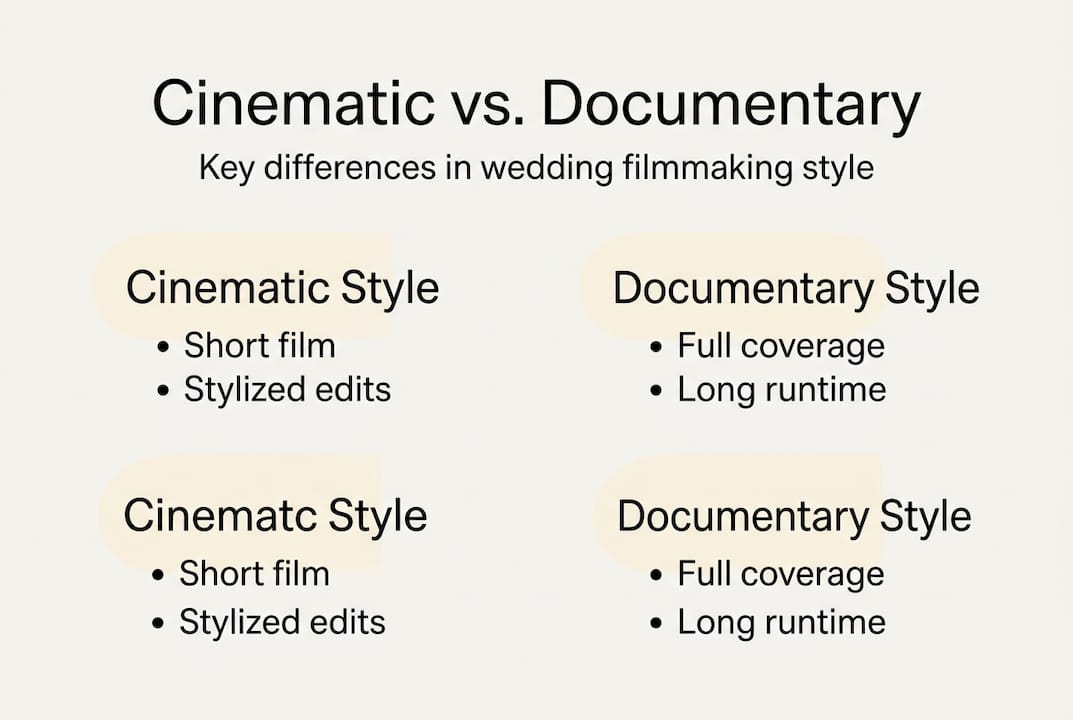
According to a Wedding Videography Style Guide, “cinematic films are stylized and shorter (4 to 10 minutes, music, non-linear) while documentary films are long, chronological, and focus on real-time sequences.” That gap in length alone tells you something important about what each style values.
Here is a side-by-side comparison:
| Feature | Cinematic (romantic) | Documentary |
|---|---|---|
| Length | 4 to 10 minutes | 30 to 90+ minutes |
| Editing style | Non-linear, emotion-driven | Chronological, event-based |
| Pacing | Dynamic, music-led | Steady, real-time |
| Sound | Curated music, selected audio | Full ceremony audio, speeches |
| Emotion | Deeply evocative | Informative and complete |
| Best for | Intimate elopements, storytelling | Large weddings, family coverage |
Neither style is wrong. But for couples choosing an intimate elopement in a hidden gem location, the cinematic approach almost always resonates more deeply. You are not hosting 150 guests who need to relive every toast. You are two people choosing something extraordinary, and your film should reflect that.
How do you choose? Consider these four questions:
- Do you want to feel your wedding day again, or remember every detail of it?
- Is your elopement happening in a visually stunning location that deserves artistic treatment?
- Are you comfortable with a filmmaker who guides the story rather than just follows the schedule?
- Do you value a short, powerful film you will actually rewatch over a long archive you might never open?
Pro Tip: Many couples opt for a blend, where a cinematic highlight film captures the emotional story while key ceremony audio is woven in. Explore elopement videography essentials and the elopement films and photography guide to understand how hybrid coverage works in practice.
Why romantic wedding filmmaking is perfect for intimate elopements
Now that you have seen the stylistic differences, let us explore why this approach is so well-suited to breathtaking, intimate elopements.
Elopements are, by nature, flexible and personal. They happen at sunrise on a mountaintop, or at golden hour on a cliffside, or in a quiet olive grove where the light filters through ancient branches. They are not bound by a reception hall’s timeline or a caterer’s schedule. That freedom is exactly what romantic wedding filmmaking is built for.
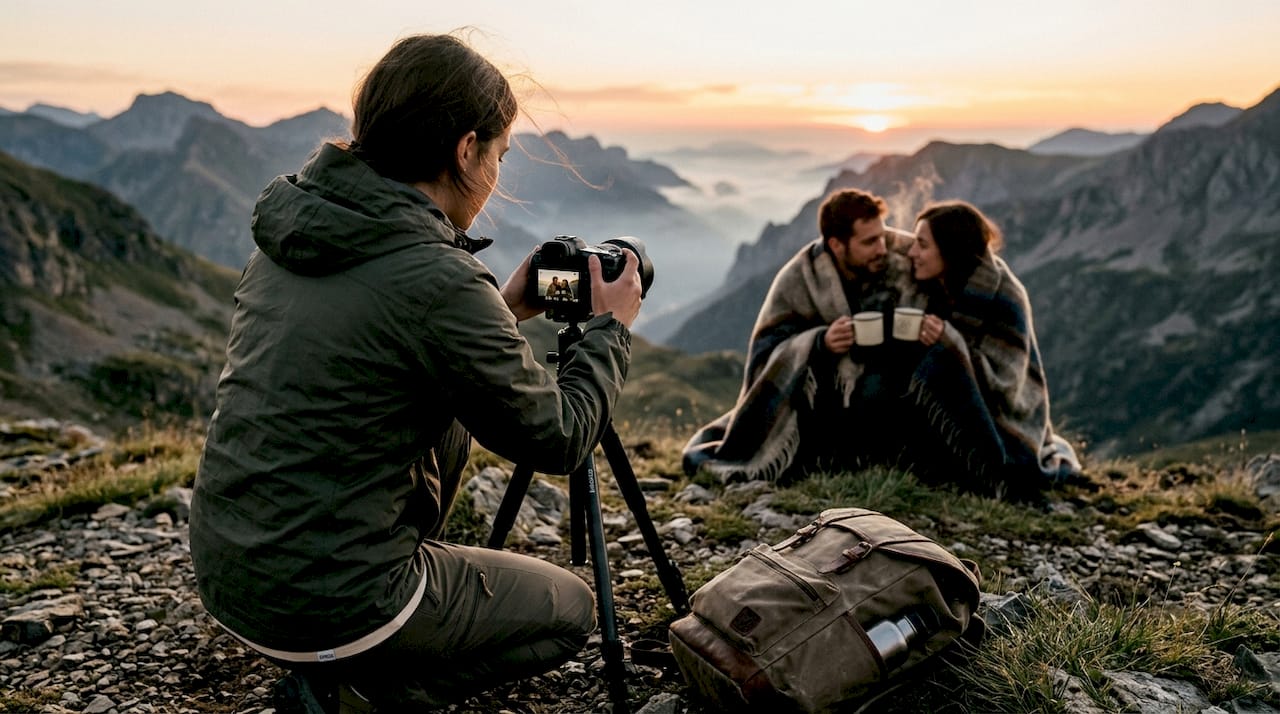
As Elopement Videography Essentials for Couples in the Mediterranean explains, “for intimate elopements, romantic filmmaking adapts to flexible timelines, hybrid coverage, privacy needs, and immersive storytelling in adventure locations.” That adaptability is not just a nice feature. It is essential.
Here is why this style fits elopements so beautifully:
- Golden hour flexibility: A filmmaker can shift the entire timeline to chase the perfect light, something impossible at a traditional wedding.
- Crowd-free locations: Romantic filmmaking thrives in quiet, private settings where authentic emotion flows naturally.
- Hybrid photo and video: Because high-quality film frames can serve as stunning still images, you get both a cinematic film and a photo gallery from one artist.
- Location scouting: A skilled filmmaker knows how to find hidden gems, scout for permits, and plan around seasonal light and weather.
- Authentic storytelling: No performative moments for a crowd. Just you, your partner, and a filmmaker who knows how to disappear into the background.
Pro Tip: When working with a destination elopement videographer, ask whether they handle location scouting and permits themselves. This single detail separates a true elopement filmmaker from a vendor who simply shows up. A good elopement videographer guide will help you know exactly what questions to ask.
Multi-day elopements, especially across Spain and the Mediterranean, also benefit enormously from this style. A filmmaker who travels with you across two days and multiple locations can build a richer, more layered narrative than any single-ceremony coverage could offer.
Techniques and trends in romantic wedding filmmaking (2026)
To get the most out of romantic wedding filmmaking, it helps to understand the latest techniques and trends shaping this art form right now.
The 2026 Wedding Filmmaking Trend Report highlights personalization, orchestral music, dynamic pacing, specialized gear for stunning visuals, and expert blending of styles as the defining forces this year. These are not passing fads. They reflect a deeper shift in what couples want from their films.
On the creative side, here is what is shaping romantic wedding filmmaking in 2026:
- Custom music and orchestral scores: Couples are moving away from licensed pop tracks toward original compositions or carefully curated orchestral pieces that feel uniquely theirs.
- Dynamic pacing: The best films balance slow, tender moments with bursts of joyful energy. A single film might breathe quietly through a ceremony and then soar during a cliffside celebration.
- Intimate storytelling: Less wide-angle grandeur, more close-up truth. A trembling hand, a whispered word, a tear caught in golden light.
- Hybrid photo and film: Because elopement photography with cinematic style and filmmaking now overlap so naturally, couples are choosing artists who offer both from a single creative vision.
On the technical side, gear matters more than most couples realize. As Hayot Films notes, “expert filmmakers use full-frame cameras, prime lenses (like 85mm f/1.4 for portraits), and adapt to weather or location challenges.” That 85mm lens, for example, creates a beautiful background blur that isolates your face from a sweeping landscape, making you the emotional center of every frame.
| Technique | Purpose | 2026 trend |
|---|---|---|
| Full-frame camera | Cinematic depth and low-light quality | Standard for premium films |
| 85mm f/1.4 prime lens | Intimate portraits with soft backgrounds | Growing in elopement work |
| Gimbal stabilization | Smooth, flowing movement | Paired with handheld for texture |
| Golden hour scheduling | Warm, dramatic natural light | Non-negotiable for top filmmakers |
| Custom music licensing | Emotional resonance | Replacing generic tracks |
Explore the trends shaping elopement videos in 2026 to see how these techniques translate into real films for real couples.
Our take: What truly sets cinematic wedding filmmaking apart
Before you make a final choice, consider this perspective earned through years of crafting intimate elopement films across Spain and the Mediterranean.
Most couples focus on gear lists and editing styles when choosing a filmmaker. That is understandable. But the real difference between a forgettable film and one you will watch every anniversary comes down to something harder to quantify: emotional intelligence. A great filmmaker feels the story before it happens. They know when to step back and let silence breathe. They know when to move closer because something extraordinary is about to unfold.
Full-service planning matters enormously here. When a filmmaker also designs your elopement, scouts your location, and travels with you as a companion, they are not a vendor arriving on the day. They are woven into the story itself. That intimacy shows in every frame.
The couples who treasure their films most are not the ones who hired the most impressive equipment. They are the ones who chose a filmmaker who truly understood our unique approach to filming and who cared about their story as deeply as they did. That is the real secret.
Ready to create your unforgettable romantic elopement film?
You now understand what separates romantic wedding filmmaking from everything else. You know the techniques, the trends, and the questions to ask. The next step is finding the right filmmaker to bring your story to life.
At Stories by DJ, we serve only 3 to 6 couples per year, which means your elopement receives our complete creative attention from the very first conversation. We plan, scout, film, and deliver a cinematic experience that is entirely yours. Explore cinematic wedding videography to see what is possible, browse our elopement planning tips for inspiration, or visit our elopement photographer for couples page to understand how film and photography work together in one seamless experience. Your love story deserves a film as extraordinary as the day itself.
Frequently asked questions
What makes romantic wedding filmmaking different from typical wedding videography?
Romantic wedding filmmaking creates an emotional, movie-like narrative of your day, focusing on artistic visuals and storytelling rather than recording every event in order. It is the difference between watching a film and watching a recording.
Are romantic wedding films suitable for small elopements?
Absolutely. Cinematic approaches adapt beautifully to flexible schedules, private locations, and authentic intimate moments, making them ideal for elopements of any size or setting.
What is the typical length of a romantic wedding film?
Most romantic wedding films run 4 to 10 minutes, while documentary-style videos often stretch to 30 minutes or more. Shorter means every second earns its place.
How can we make our romantic wedding film feel personalized?
Work with a filmmaker who offers custom music and storytelling built around your specific moments, locations, and personalities rather than a one-size-fits-all template.
What gear and techniques do filmmakers use for cinematic elopements?
Leading filmmakers rely on full-frame cameras and prime lenses, creative stabilization tools, and deep knowledge of natural light to create dramatic, emotionally resonant results in any location.
Recommended
Previous Article
Beautiful Places to Elope When You Want Quiet, Not Crowds

I'm Dominick let's craft your perfect Mediterranean elopement.
Let's create a day that captures your love, surrounded by the Mediterranean's beauty. Ready to plan your perfect escape?
Start your Adventure Let's talk!