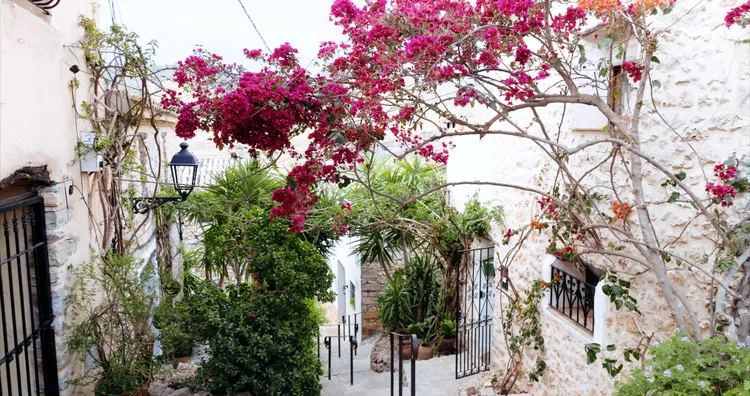
Essential tips for eloping in Spain: plan an unforgettable adventure
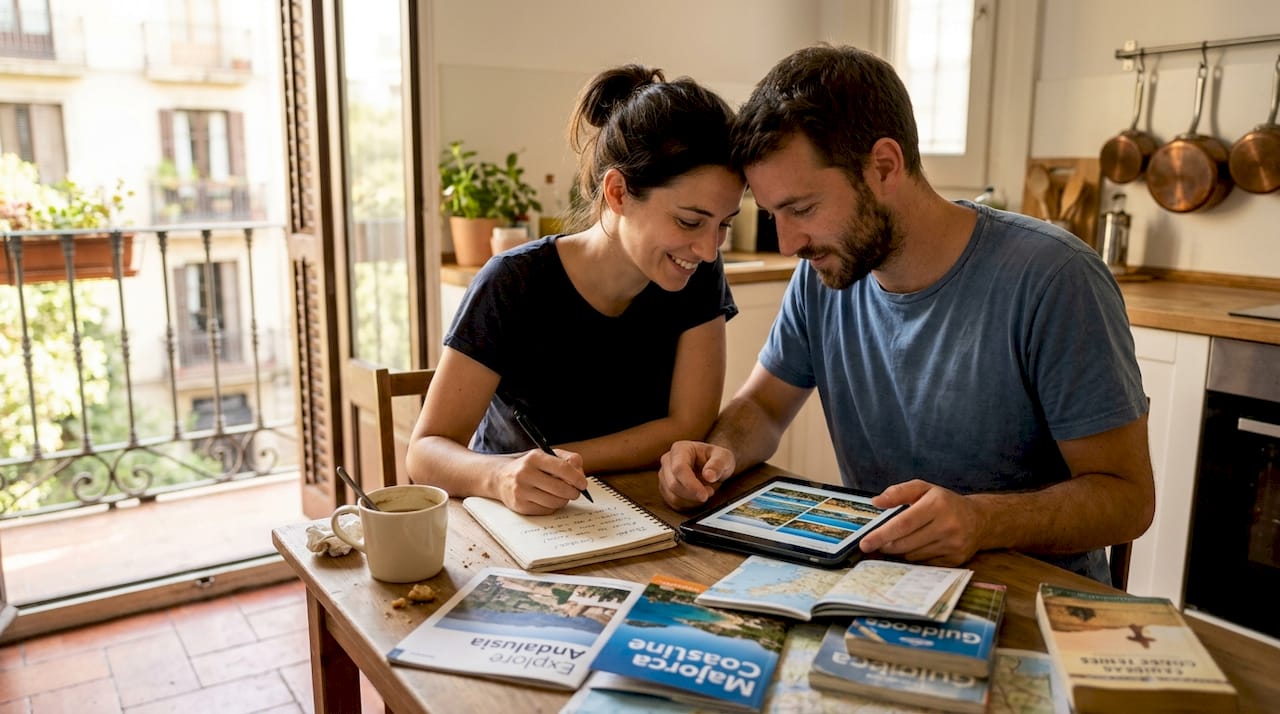
TL;DR:Eloping in Spain offers stunning landscapes but requires careful planning around permits and legalities.Choosing less crowded locations and flexible timing enhances intimacy and cinematic quality.Partnering with experienced local vendors ensures smooth logistics and authentic storytelling.
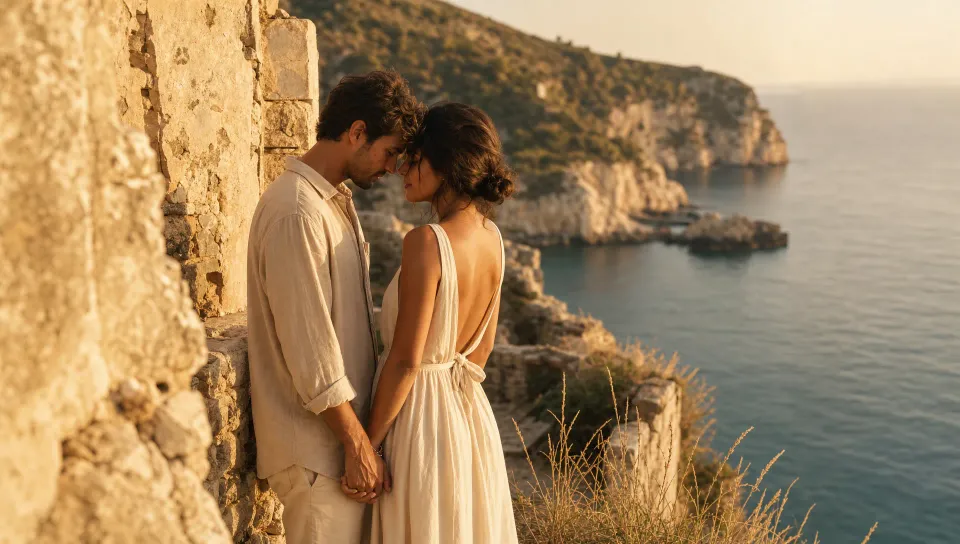
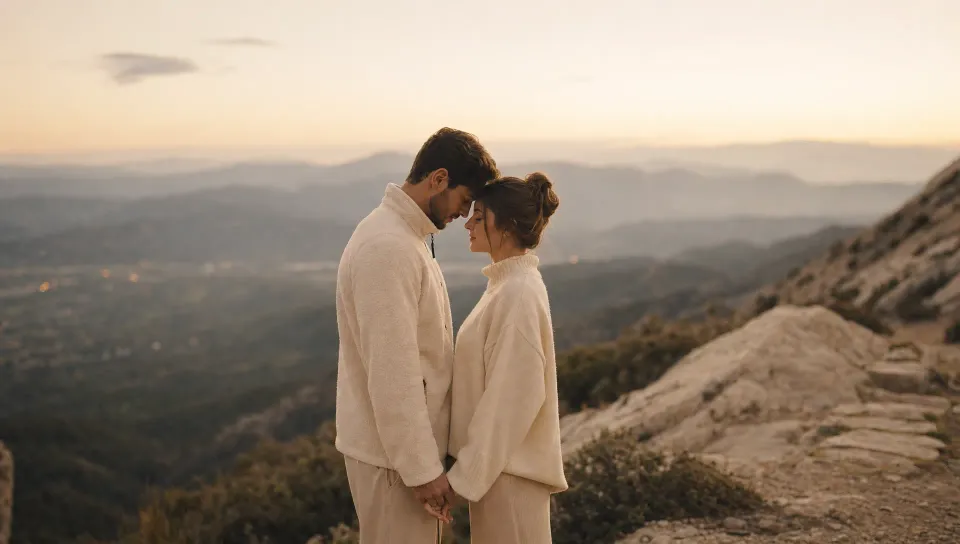
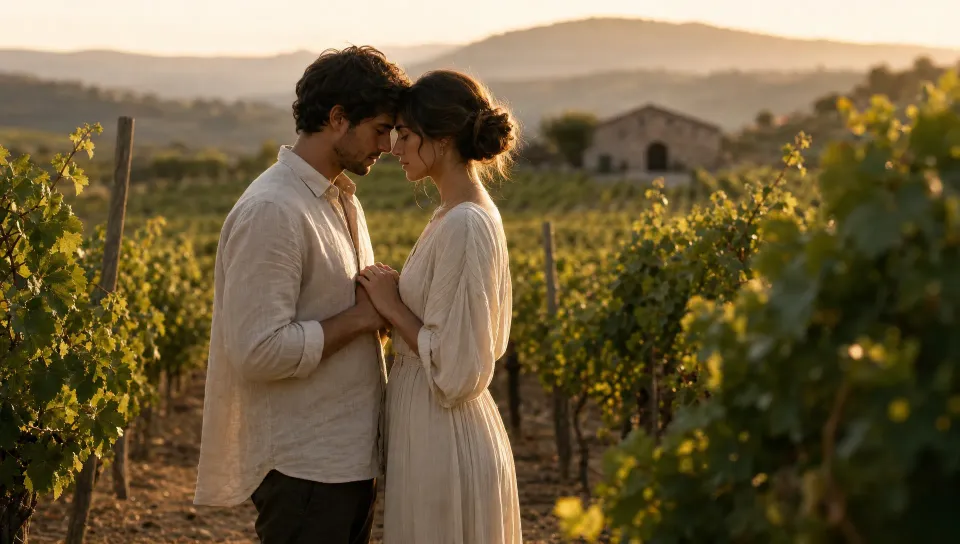
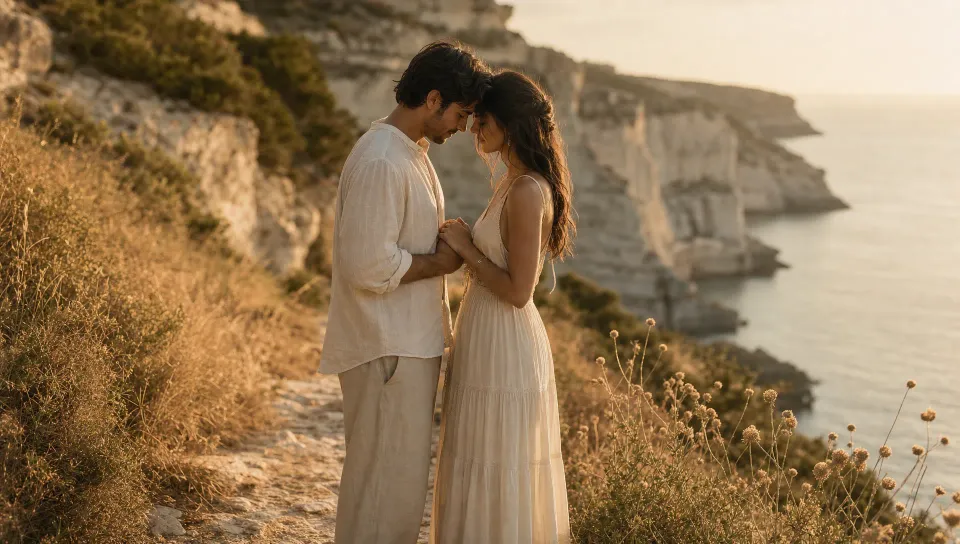
Eloping in Spain is one of the most romantic decisions a couple can make. Clifftop ceremonies where the Atlantic crashes below, golden-hour light spilling across ancient olive groves, a universe of hidden coves that feel made just for the two of you. Yet with all this beauty comes a tangle of real decisions: legal vs. symbolic ceremonies, permit requirements, shoulder-season timing, and finding a creative team that can actually capture the soul of your day. This guide walks you through every essential layer, from location criteria to budgeting realities, so you can step into your Spain elopement with clarity, confidence, and pure joy.
Table of Contents
- Key criteria for eloping in Spain
- Spain’s top elopement locations for adventurous couples
- The legal and permit essentials you must get right
- Cinematic storytelling: Capturing your elopement for a lifetime
- Budgeting and planning timeline: What to expect and how to avoid common mistakes
- Our take: Why cinematic storytelling and flexibility matter most
- Start your Spanish elopement adventure with expert support
- Frequently asked questions
Key Takeaways
| Point | Details |
|---|---|
| Symbolic ceremonies prevail | Most foreign couples choose a symbolic wedding in Spain due to legal complexities. |
| Location shapes your story | Pick Spain’s epic backdrops with privacy and cinematic storytelling in mind. |
| Permits and timing matter | Early planning and the right permits keep your celebration worry-free and intimate. |
| Invest in cinematic coverage | Hiring media pros who specialize in storytelling will make your memories last. |
Key criteria for eloping in Spain
Before you fall completely in love with a specific cliff or coastal town, take a breath and ground your planning in the essentials. The criteria below shape everything from your legal paperwork to the emotional tone of your day.
Legal setup matters from day one. As a starting point, foreigners can marry in Spain but most opt for a symbolic ceremony because the civil route involves significant bureaucracy, residency considerations, and long timelines. A symbolic ceremony lets you focus on the meaning of the moment and handle any legal formalities back home.
Here are the core criteria to evaluate as you build your plan:
- Ceremony type: Symbolic ceremonies are flexible, location-independent, and emotionally driven. Civil ceremonies require more documents and coordination with local authorities.
- Permit needs: Many natural settings, beaches, and historic sites require permits. Rules vary dramatically by region.
- Timing and light: Spain’s golden hour is extraordinary, but the season shapes everything from crowd levels to temperature to the quality of your film.
- Budget range: A minimal elopement starts around €2,000; a full cinematic experience with destination wedding planning support can reach €15,000 or more.
- Vendor expertise: Your filmmaker or photographer should specialize in cinematic storytelling, not just event coverage. This distinction changes everything about how your day feels on screen.
- Logistical support: Knowing how to find elopement vendors in Spain who understand local permits, lighting conditions, and hidden locations saves you months of stress.
Pro Tip: Map the emotional arc of your day before the logistical one. How do you want to feel at 8am, at the ceremony, at golden hour? Build logistics around that emotional flow, not the other way around.
Working with someone who already knows the terrain, from using a planner in Spain for permit filing to scouting locations, transforms planning from overwhelming to genuinely exciting.
Spain’s top elopement locations for adventurous couples
With your priorities clear, let’s break down exactly where to elope in Spain for the most epic and cinematic adventure.
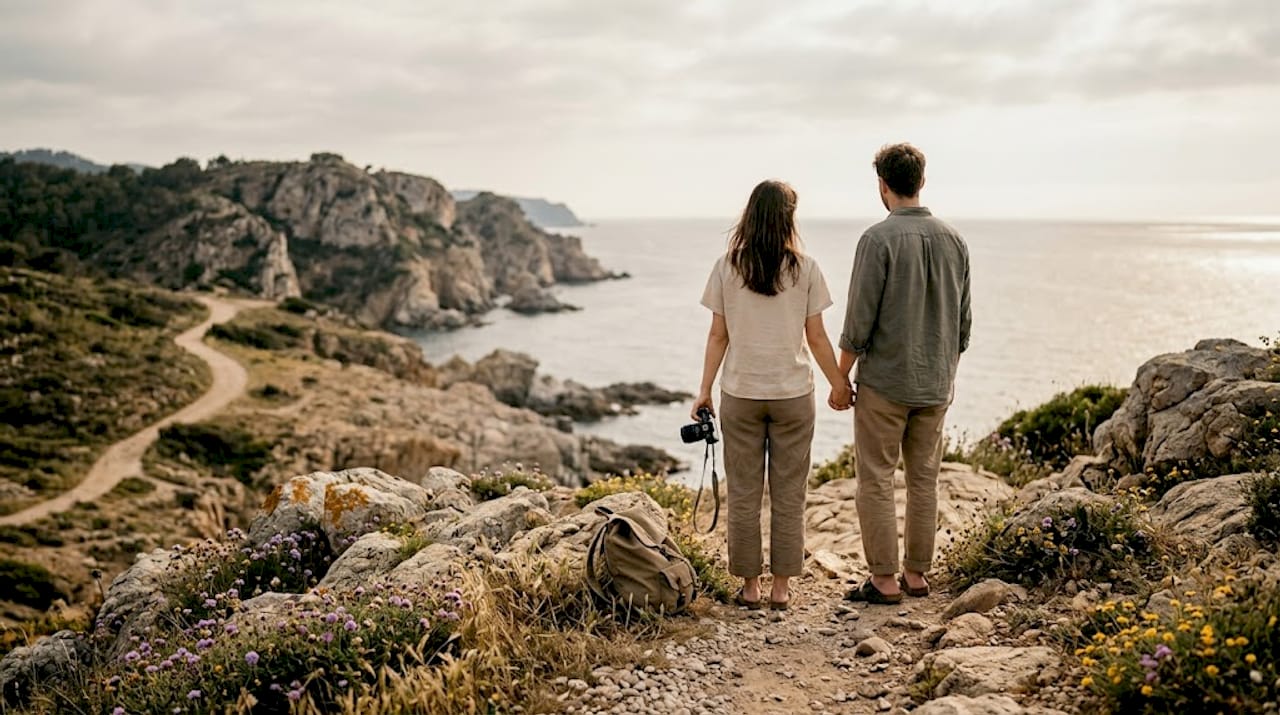
Spain holds an almost unfair concentration of stunning landscapes. Top locations include Costa Brava, the Pyrenees, Andalusia, the Balearic Islands, the Canary Islands, and Spain’s wild northern coasts, each offering something completely distinct.
| Region | Scenery | Privacy | Best months | Cinematic quality |
|---|---|---|---|---|
| Costa Brava | Coves, cliffs, turquoise water | Moderate | May, June, Sept | Very high |
| Pyrenees | Mountains, lakes, wildflowers | High | June, July, Sept | Exceptional |
| Andalusia | Olive groves, white villages, plains | High | April, May, Oct | Very high |
| Balearic Islands | Sea, limestone, sunsets | Low to moderate | May, June, Sept | High |
| Canary Islands | Volcanic, dramatic, otherworldly | High | Year-round | Exceptional |
| Northern Coast | Cliffs, green valleys, fog | Very high | June, July, Sept | Extraordinary |
The shoulder seasons reward you most. Lighter crowds, softer light, and more cooperative weather create the kind of atmosphere that feels effortless and intimate.
For couples who want something truly off-script, consider these cinematic settings:
- Hidden coves accessible only by foot or boat along the Costa Brava
- Mountain lakes in the high Pyrenees, framed by wildflowers in July
- Ancient cave formations and white-washed villages deep in Andalusia
- Volcanic lava fields at sunrise in Lanzarote
Pro Tip: The most photographed spots in Spain are beautiful but crowded. Ask your planner about lesser-known alternatives nearby. A ten-minute walk from a famous viewpoint can mean complete privacy and a film that looks entirely unique.
You can explore curated personal elopement plans built around Spain’s hidden gems, or gather cinematic elopement inspiration to understand how different landscapes translate on film. If you plan to extend your celebration with a romantic dinner, Valencia’s intimate dining scene, like the experiences at La Mora Taberna, is worth exploring.
The legal and permit essentials you must get right
Once you’ve chosen your setting, it’s time to ensure your celebration stays stress-free and legal.
Permits are required in national parks, protected beaches, and historic sites, with rules varying significantly by region. What’s allowed in Catalonia may be restricted in Andalusia. Skipping this step risks fines or being turned away on your wedding day.
For legal marriages, the process takes 2 to 6 months, and most foreign couples wisely choose symbolic ceremonies instead, completing legal paperwork in their home country afterward.
Here is a summary of permit requirements across key regions:
| Location type | Permit required | Lead time | Who arranges it |
|---|---|---|---|
| National park | Yes, always | 4 to 8 weeks | Local planner |
| Public beach | Often yes | 2 to 4 weeks | Local planner or couple |
| Historic site | Yes, permit + fee | 4 to 6 weeks | Local planner |
| Private venue | No (venue permission) | Varies | Venue directly |
| Mountain/rural land | Sometimes | 2 to 4 weeks | Local planner |
Follow this numbered checklist to stay organized:
- Decide: symbolic ceremony or legal marriage?
- Research permit requirements for your chosen region
- Hire a local planner with proven permit experience
- Gather required documents (passports, declarations, translations if needed)
- Confirm permit approval at least two weeks before your date
- Have a backup location in mind, just in case
“A local planner is not a luxury, they are your insurance policy. They know who to call, what forms to file, and how to pivot beautifully when something unexpected changes.”
Our permit planning guide walks through this process in detail, including specific regional nuances that catch most couples off guard.
Cinematic storytelling: Capturing your elopement for a lifetime
After logistics, the real magic comes from capturing your elopement in ways you’ll cherish forever.
The difference between a videographer and a true filmmaker is enormous. A filmmaker understands narrative, pacing, light, and emotion. They are not just recording your day; they are interpreting it. When you hire professionals specializing in cinematic coverage and build your day around light and emotion, the resulting film becomes a piece of art you return to for the rest of your lives.
Here is what to look for in your creative team:
- A portfolio that feels like watching short films, not slideshows
- Experience shooting in varied natural light, including golden hour, fog, and overcast conditions
- Comfort with small, intimate settings where they blend into the background
- An approach rooted in cinematic wedding storytelling rather than posed direction
- Strong communication and a calm, reassuring presence on the day
Timing is everything. Spain’s golden hour, roughly 60 to 90 minutes before sunset, bathes landscapes in warm amber light that makes every frame feel alive. Build your ceremony or key moments around this window whenever possible.
“The most powerful moments are rarely planned. They happen in the quiet seconds between the vows, in a shared laugh, in the way the wind moves your hair. A great filmmaker is always ready for those.”
Pro Tip: Resist the urge to schedule back-to-back activities. Build in 30 to 45 minutes of unhurried time at your main location. Genuine emotion needs space to breathe, and those unscripted moments are often what makes a well-documented elopement day truly unforgettable.
Avoid the most common mistake: rushing through a packed timeline. Fewer locations done deeply will always outshine many locations skimmed quickly.
Budgeting and planning timeline: What to expect and how to avoid common mistakes
All this vision needs the right prep and investment. Here’s what you need to know financially and logistically.
Photography and videography can run €2,000 to €9,000, micro-weddings average around €8,500, and venue or permit costs vary widely depending on region and exclusivity. Here is a realistic breakdown:
| Service | Budget range | Notes |
|---|---|---|
| Cinematic film and stills | €2,000 to €9,000 | Biggest quality driver |
| Venue or location permit | €0 to €2,500 | Public sites often require fees |
| Officiant | €300 to €800 | Symbolic ceremonies are more flexible |
| Florals and styling | €300 to €1,500 | Optional but impactful |
| Hair and makeup | €200 to €600 | Book early in peak season |
| Travel and accommodation | €500 to €3,000 | Varies widely by origin and region |
| Full elopement package | €1,500 to €18,500 | All-inclusive vs. à la carte |
Planning timeline benchmarks:
- 10 to 12 months out: Lock in your filmmaker and planner, especially for peak season (June through August)
- 6 to 8 months out: Book your location, accommodations, and begin permit research
- 3 to 4 months out: Confirm all vendors, finalize ceremony details, submit permit applications
- 1 to 2 months out: Finalize timeline, confirm travel logistics, and review your planning tips checklist
Stat callout: Most experienced planners recommend booking your core creative team 6 to 12 months in advance, particularly for shoulder-season dates when availability fills fast.
Common planning mistakes to avoid:
- Overloading the schedule with too many locations or activities
- Ignoring summer heat and midday light in southern Spain
- Booking vendors based on price alone rather than creative fit
- Forgetting to account for travel time between locations
- Waiting too long to research permit requirements
Our take: Why cinematic storytelling and flexibility matter most
With the frameworks and tips above, here is an honest perspective from years of working with couples across Spain.
Couples who let go of rigid expectations almost always have the most extraordinary elopements. Spain is wild and alive. Wind shows up. Clouds roll in. A fishing boat drifts into your cove. These are not interruptions; they are the story. The couples who embrace story-driven approaches to their day, choosing emotional truth over picture-perfect staging, are the ones who watch their film five years later and still cry.
A small, intimate team changes the dynamic entirely. With fewer people around, you forget you are being filmed. You stop performing and start being. That authenticity is what a cinematic team captures, the unseen emotional narrative woven between the vows and the laughter and the quiet glances. Build in a backup plan, stay open to spontaneity, and trust that Spain’s landscapes will always give you something breathtaking to work with.
Start your Spanish elopement adventure with expert support
Ready to turn your vision into reality? Here are your next steps.
Planning an elopement in Spain is one of the most beautiful investments you will ever make in your love story. We have seen couples arrive overwhelmed and leave with a film that moves everyone who watches it. If you want to explore the practical side further, our detailed planning tips cover everything from vendor selection to day-of flow.
When you are ready to feel inspired by what is truly possible, our elopement inspiration gallery showcases the kind of cinematic, intimate moments we live to create together. We would love to hear your vision and help you craft something timeless. Reach out and let’s start the conversation.
Frequently asked questions
Can foreigners legally elope and marry in Spain?
Foreigners can legally marry in Spain but typically require at least one partner to be a Spanish resident. Most international couples choose symbolic ceremonies and handle legal paperwork in their home country.
What permits do I need to elope in a Spanish national park or beach?
Permits are required for most public and natural locations across Spain, with rules varying by region. Working with a local planner is the most reliable way to secure the right permissions and avoid last-minute surprises.
What is the cost range for eloping in Spain?
Expect elopement costs ranging from roughly €2,000 for minimal coverage to €15,000 or more for a full luxury experience. Your choices around media quality and location exclusivity drive the budget most significantly.
When is the best time of year to elope in Spain?
The shoulder seasons of April through June and September through October offer the best balance of gorgeous light, manageable temperatures, and fewer crowds for a truly cinematic backdrop.
Recommended
Previous Article
Elopement at Coll de Rates: Hairpin Roads, Golden Vows
Next Article
Elopement Photographer Tàrbena: Village Calm on Film

I'm Dominick let's craft your perfect Mediterranean elopement.
Let's create a day that captures your love, surrounded by the Mediterranean's beauty. Ready to plan your perfect escape?
Start your Adventure Let's talk!