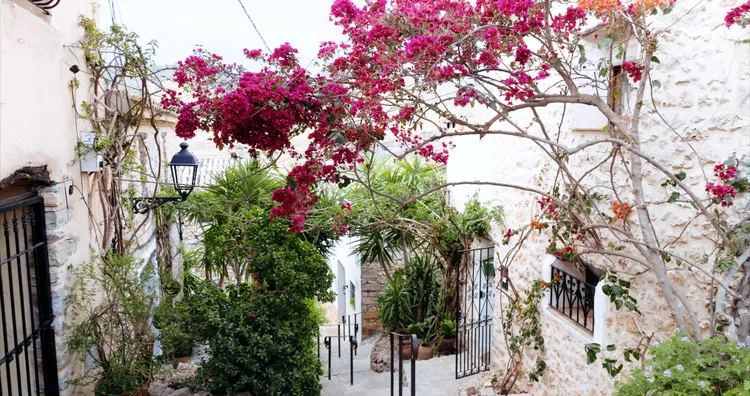
Storytelling aesthetics: crafting cinematic elopements in Spain
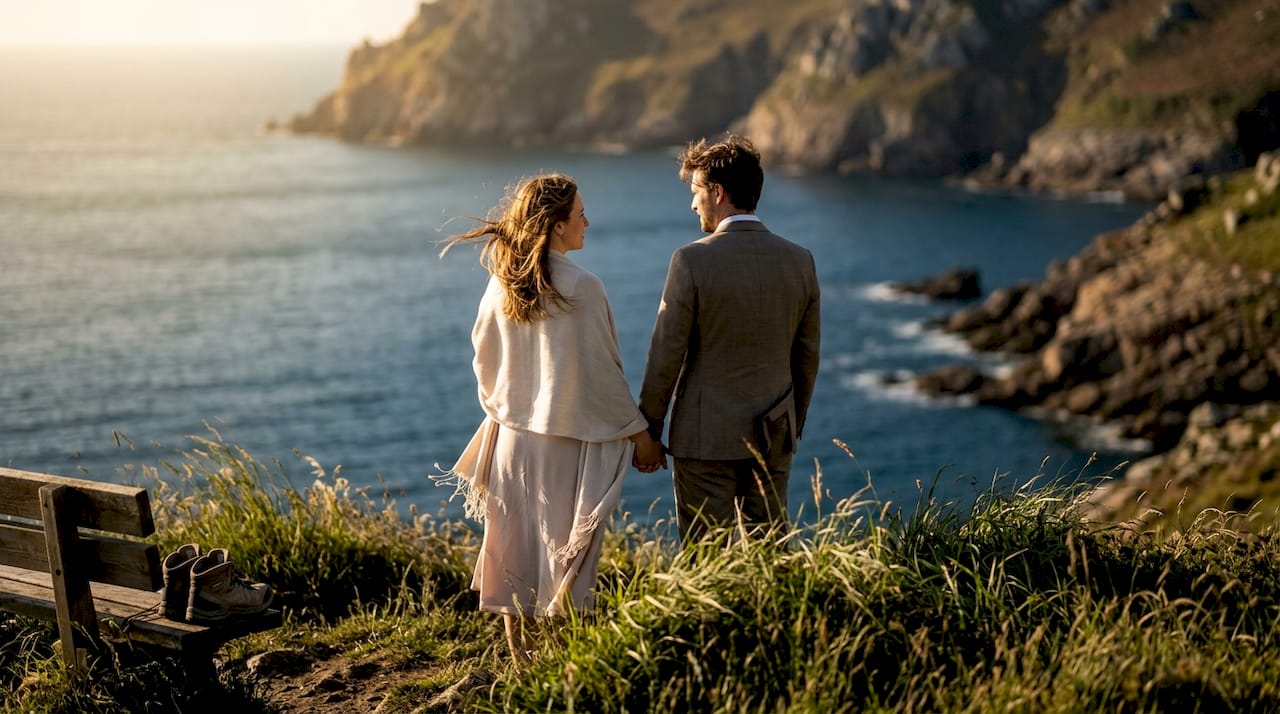
TL;DR:Storytelling aesthetics transform elopement visuals into emotional narratives through intentional choices. Spain’s landscapes and light serve as expressive tools shaping romantic, cinematic stories. Planning around golden hour, location, and a skilled, intimate team enhances authentic and memorable elopement films.
You could stand at the edge of the most breathtaking cliff in Spain, the Mediterranean shimmering below, the golden light pouring across your skin like warm honey, and still walk away with images that feel flat, forgettable, and disconnected from who you are. Location is a canvas. But a canvas alone does not make a painting. The missing ingredient is storytelling aesthetics, the intentional artistic choices that transform raw moments into cinematic memories you will carry for the rest of your lives. In this article, we explore what storytelling aesthetics actually mean for elopements, how Spain’s extraordinary landscapes and light serve as narrative tools, and how you can plan your day to make every frame sing.
Table of Contents
- Defining storytelling aesthetics for elopements
- How environmental context and light shape narrative
- Cinematic techniques: From guided portraits to documentary moments
- Practical planning for personalized storytelling
- Why cinematic storytelling aesthetics matter more than tradition
- Create your cinematic elopement story in Spain
- Frequently asked questions
Key Takeaways
| Point | Details |
|---|---|
| Aesthetic storytelling is vital | Cinematic approaches elevate elopement memories beyond traditional photography. |
| Light and landscape matter most | Scouting locations and timing for golden hour creates authentic, visually stunning stories. |
| Hybrid narrative methods win | Combining documentary and guided portraits produces comprehensive, natural, cinematic results. |
| Plan for intimacy and artistry | Small teams, thoughtful planning, and expert guidance lead to meaningful, personalized films. |
Defining storytelling aesthetics for elopements
Storytelling aesthetics is not a buzzword. It is a philosophy. At its core, it means every visual and emotional choice made during your elopement, from the lens selected to the way shadows fall across your face, serves a single purpose: telling your story in a way that feels true.
In the world of cinematic wedding storytelling, aesthetics are the building blocks of meaning. They are what separate a collection of pretty images from a film that makes your mother cry and your best friend ask to watch it again.
Here is what storytelling aesthetics actually include:
- Environmental context: The landscape around you is not a backdrop. It is a character. Cliffs, olive groves, desert plains, and cobblestone streets each carry emotional weight that shapes how your story feels.
- Lens selection and focal length: A wide lens places you inside a vast, wild world. A longer focal length compresses space, pulling you close, making the viewer feel like they are right there beside you.
- Natural light: The quality, direction, and color of light set the emotional temperature of every frame. Warm golden tones evoke tenderness. Cool blue hour light carries mystery and quiet intimacy.
- Editing style: Pacing, color grading, and music choice in a film, or tonal consistency in still frames, are the final layer of storytelling. They unify all the raw material into a cohesive emotional experience.
As storytelling in elopements demonstrates, these elements do not happen by accident. They require intention, skill, and deep creative care.
“Storytelling aesthetics use environmental context, focal length variation, natural light, and editing for mood.”
When all these elements align, something magical happens. Your elopement stops being a series of events and becomes a living, breathing narrative. One that reflects your personalities, your love, and the extraordinary place where you chose to begin your life together.
How environmental context and light shape narrative
Spain is not just beautiful. It is dramatically beautiful. And that distinction matters enormously when you are crafting a cinematic story.
The elopement planning in Spain process begins long before the wedding day. It begins with understanding what each landscape communicates emotionally. The jagged cliffs of Cap de Formentor in Mallorca evoke drama, courage, and raw passion. The golden silence of the Tabernas desert in Andalusia whispers of solitude, intimacy, and timeless love. The terraced vineyards of Priorat glow with warmth and abundance. Each location tells a different story, and your job is to choose the one that resonates with yours.
Light is the other half of this equation. In Spain, golden hour lighting on locations like Cap de Formentor and the Tabernas desert creates cinematic visuals that no studio could replicate. The sun hangs low, casting long shadows and bathing everything in amber warmth. Blue hour, those quiet minutes just after sunset, adds a layer of moody, ethereal beauty that feels almost otherworldly.
| Location type | Emotional tone | Best light window |
|---|---|---|
| Coastal cliffs | Drama, passion, freedom | Golden hour, sunset |
| Desert plains | Intimacy, solitude, timeless | Late afternoon, blue hour |
| Olive groves | Warmth, softness, romance | Morning, golden hour |
| Mountain ridges | Adventure, awe, wildness | Sunrise, golden hour |
Pro Tip: When scouting locations with your filmmaker, ask how the light moves through that specific spot at different times of day. A location that looks stunning at noon can transform into something truly cinematic at 6pm.
Small creative teams matter here too. A large crew disrupts the intimacy of a moment. With just one or two trusted creatives present, you can move freely, breathe deeply, and let elopement trends in Spain guide you toward experiences that feel real rather than rehearsed. Intimacy is not just a feeling. It is a production choice.
Cinematic techniques: From guided portraits to documentary moments
There is a quiet debate in the elopement world between two schools of thought: pure documentary filmmaking versus guided portrait work. The truth is, neither approach alone creates the most meaningful story.
Pure documentary captures life as it unfolds. It is raw, honest, and often deeply moving. But it can also be repetitive. When every moment is observed rather than shaped, you risk a film full of similar angles, similar expressions, and narrative gaps where the emotional arc loses momentum.
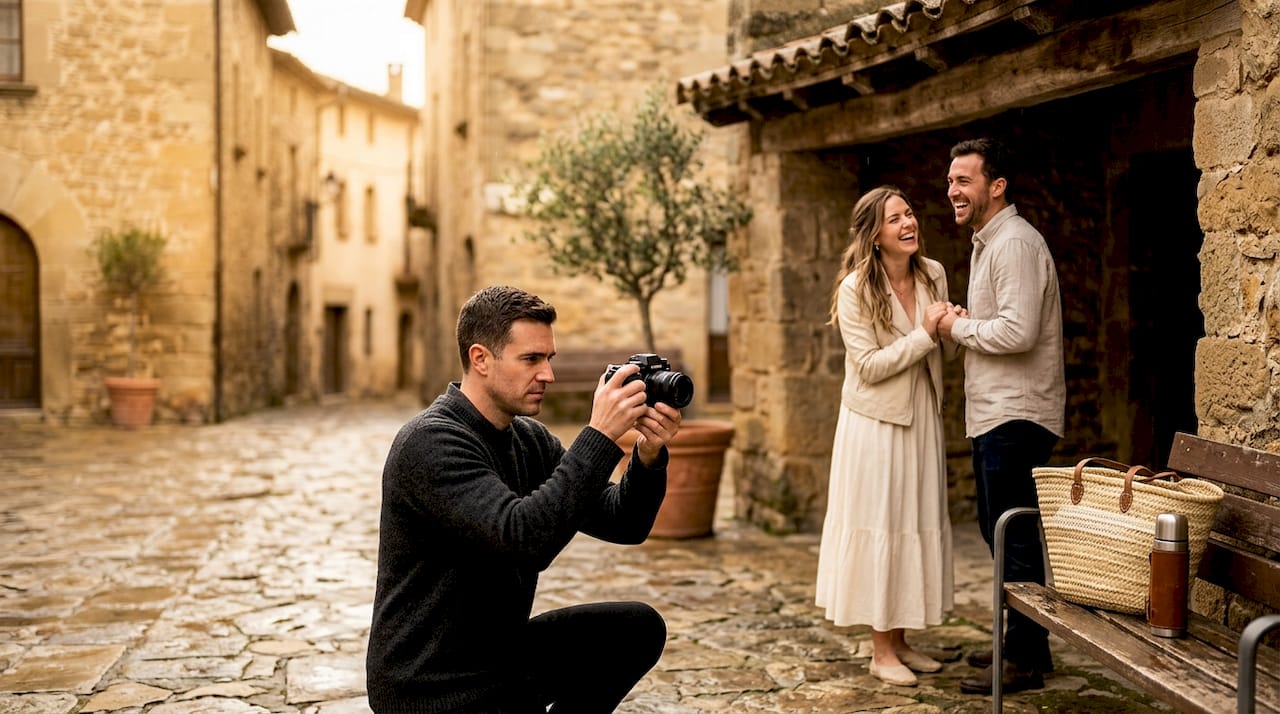
Guided portraits, on the other hand, fill those gaps with intention. A gentle suggestion to walk toward the light, to pause and breathe together, or to look out over the valley creates frames that feel natural but carry cinematic weight. Pure documentary approaches can be repetitive, while hybrid methods with guided portraits produce more complete narratives without feeling staged.
The hybrid approach is where the magic lives. Here is how it works in practice:
- Observe first. Let the morning unfold naturally. Capture the nervous laughter, the quiet moments of getting ready, the first glance.
- Shape the light moments. When the golden hour arrives, offer gentle direction. Move together toward the cliff edge. Hold each other. Let the landscape do the rest.
- Return to documentary. After the ceremony, step back again. Let the joy, the tears, the spontaneous dancing speak for themselves.
- Edit with emotional arc in mind. The final film should feel like it rises and falls, building toward a moment of pure connection.
This is what storytelling in elopements looks like when it is done with real craft. You can explore what this feels like in practice through magical storytelling in Spain, where real couples have experienced exactly this kind of narrative care.
Pro Tip: Ask your filmmaker to share their editing philosophy before you book. If they describe their work purely in terms of hours covered or number of clips delivered, they may be thinking about volume rather than story.
Practical planning for personalized storytelling
Knowing what storytelling aesthetics are is one thing. Building a day around them is another. Here is how to plan your elopement so that every element serves your cinematic story.
Scout for light, not just locations. A stunning waterfall in deep shade will never give you the warmth and dimension that a modest hillside at golden hour can. Film-first planners prioritize authentic moments and scout light carefully, and couples report 40% fewer reshoots when planning around natural light.
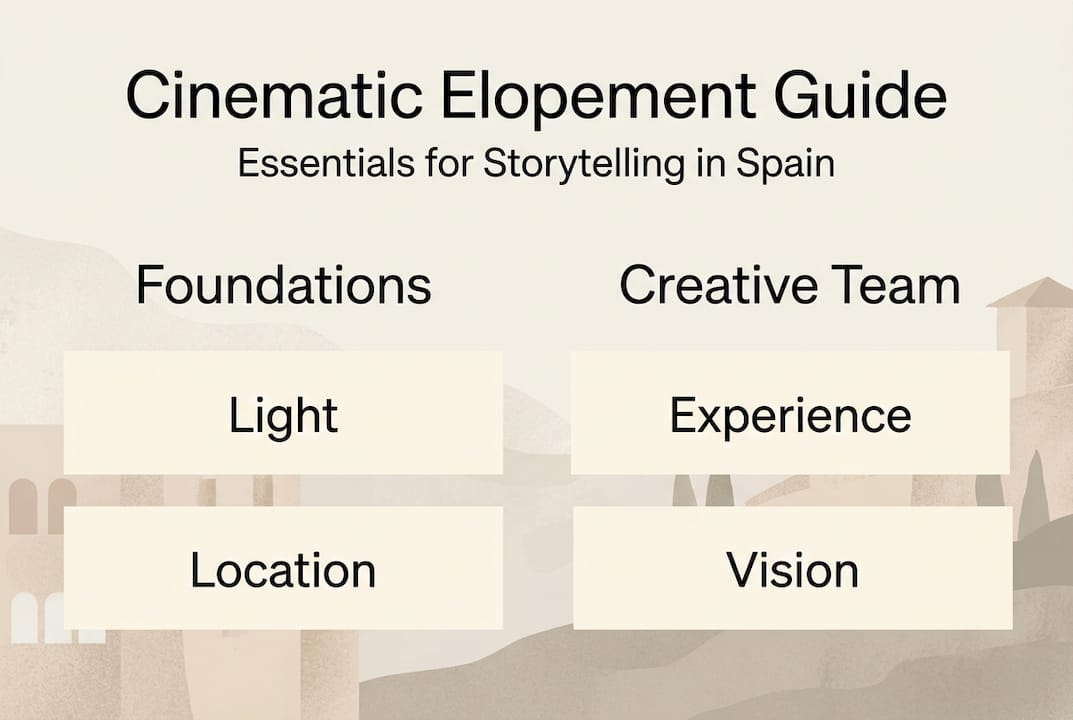
Build your timeline around golden hour. This is non-negotiable for cinematic quality. Work backward from sunset. Schedule your ceremony to end just as the golden light begins, so your first moments as a married couple are bathed in the most beautiful light of the day.
Here are the key practical steps to prioritize:
- Research sunrise and sunset times for your chosen location and date in Spain
- Allow at least 90 minutes of shooting time during golden hour
- Keep your guest list small to preserve intimacy and creative flexibility
- Share personal details with your filmmaker so they can anticipate emotionally significant moments
- Choose a single, meaningful location over multiple rushed stops
Choose a small, skilled creative team. More people does not mean more coverage. It means more noise, more direction, and less presence. One deeply skilled filmmaker who also handles photography, as we do at Stories by DJ, keeps your day intimate and your story cohesive.
Invest in narrative-focused professionals. Top elopement storytellers charge $5k to $15k or more for adventure storytelling, and that investment reflects not just time but the depth of creative vision they bring. When you consider that your elopement film is something you will watch on anniversaries for decades, the value becomes clear. For personal elopement planning that centers your story, it is worth every penny. You can also explore 2026 elopement trends to understand how couples today are prioritizing authenticity over spectacle.
Why cinematic storytelling aesthetics matter more than tradition
Here is something I believe deeply, and it might surprise you: the couples who remember their elopements most vividly are not the ones who had the most elaborate setups. They are the ones whose stories were told, not just documented.
Traditional wedding photography was built around a checklist. Family portraits, cake cutting, first dance. Posed, formal, predictable. There is nothing wrong with those images, but they rarely move you. They rarely make you feel the electricity of that specific afternoon on a Spanish cliff when the wind lifted your hair and your partner looked at you like you were the only person in the world.
Cinematic storytelling aesthetics exist to capture that feeling. And Spain, with its wild coastlines, ancient light, and sensory richness, is one of the most extraordinary canvases on earth for planning adventurous elopements that feel genuinely alive. The location matters. But the story matters more. And the story is always in the details: the way you breathe, the way you laugh, the way the light finds you.
Create your cinematic elopement story in Spain
You have spent time understanding what makes elopement storytelling truly cinematic. Now imagine having a filmmaker, planner, and travel companion by your side who lives and breathes this approach every single day.
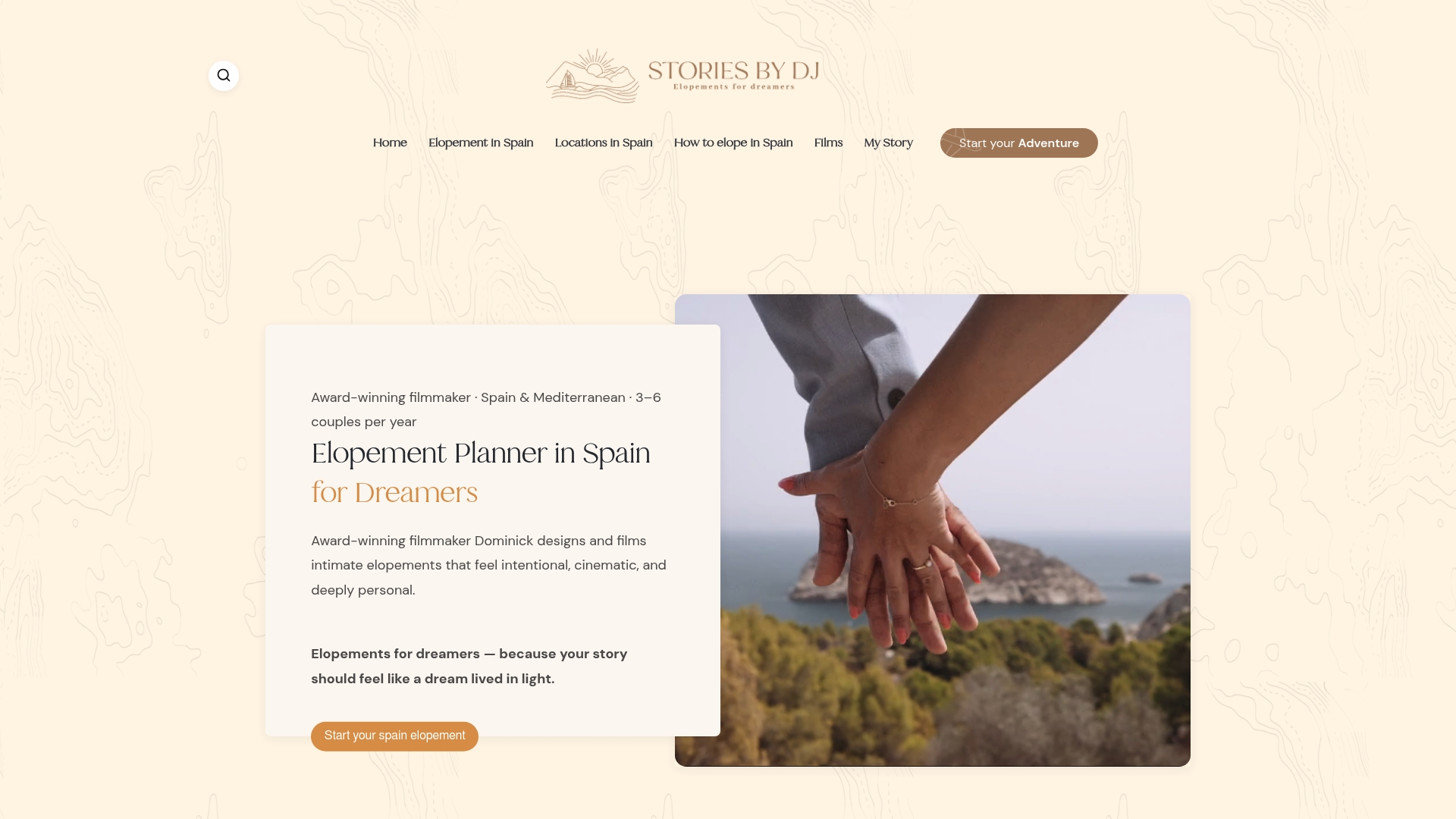
At Stories by DJ, we work with just 3 to 6 couples per year, which means your elopement receives the full depth of our creative attention. From hidden gem location scouting to elopement planning tips and a cinematic film delivered within 6 to 8 weeks, every detail is designed around your story. Browse our elopement inspiration gallery to feel what this looks like, and when you are ready to take the next step, connect with our elopement videographer team to begin crafting something truly extraordinary together.
Frequently asked questions
What makes storytelling aesthetics different from traditional wedding photography?
Storytelling aesthetics focus on environmental context, authentic moments, and cinematic techniques rather than posed, formal images. Traditional photography follows a checklist; storytelling aesthetics follow an emotional arc.
How do golden hour and unique locations impact the story of Spain elopements?
Golden hour and dramatic landscapes create cinematic, emotionally rich visuals that deepen narrative and authenticity. The light and setting become active characters in your story rather than passive backgrounds.
What is a film-first planning approach and why is it important?
A film-first approach prioritizes authentic moments and light, minimizing reshoots and creating cinematic memories that feel genuinely true to your day. It shapes every planning decision around what will look and feel most real on film.
Are cinematic elopement filmmaker and videographer services worth the investment?
Top storytellers charge $5k to $15k+ and deliver meaningful, cinematic films that couples treasure for decades. The investment reflects creative vision, not just hours worked.
Can you combine documentary and guided portrait styles without sacrificing authenticity?
Yes. Hybrid approaches balance candid moments with subtle guidance, creating comprehensive and authentic narratives that feel natural rather than staged.
Recommended
Previous Article
Elopement Vall de Laguar: A Mountain Day That Breathes
Next Article
Find the perfect elopement vendors in Spain: a guide

I'm Dominick let's craft your perfect Mediterranean elopement.
Let's create a day that captures your love, surrounded by the Mediterranean's beauty. Ready to plan your perfect escape?
Start your Adventure Let's talk!