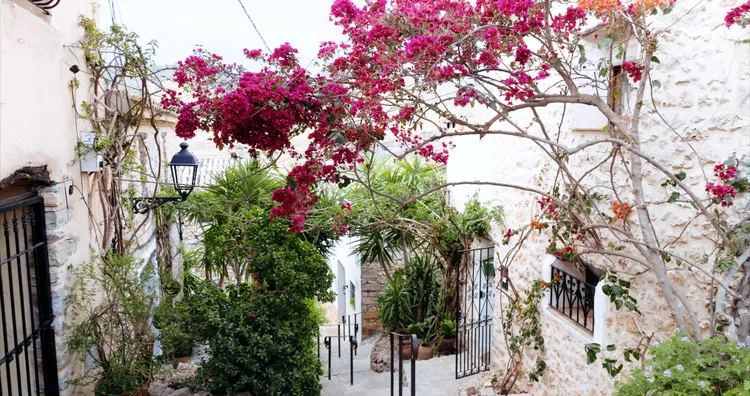
Elopement trends in Spain: intimate, cinematic, adventurous
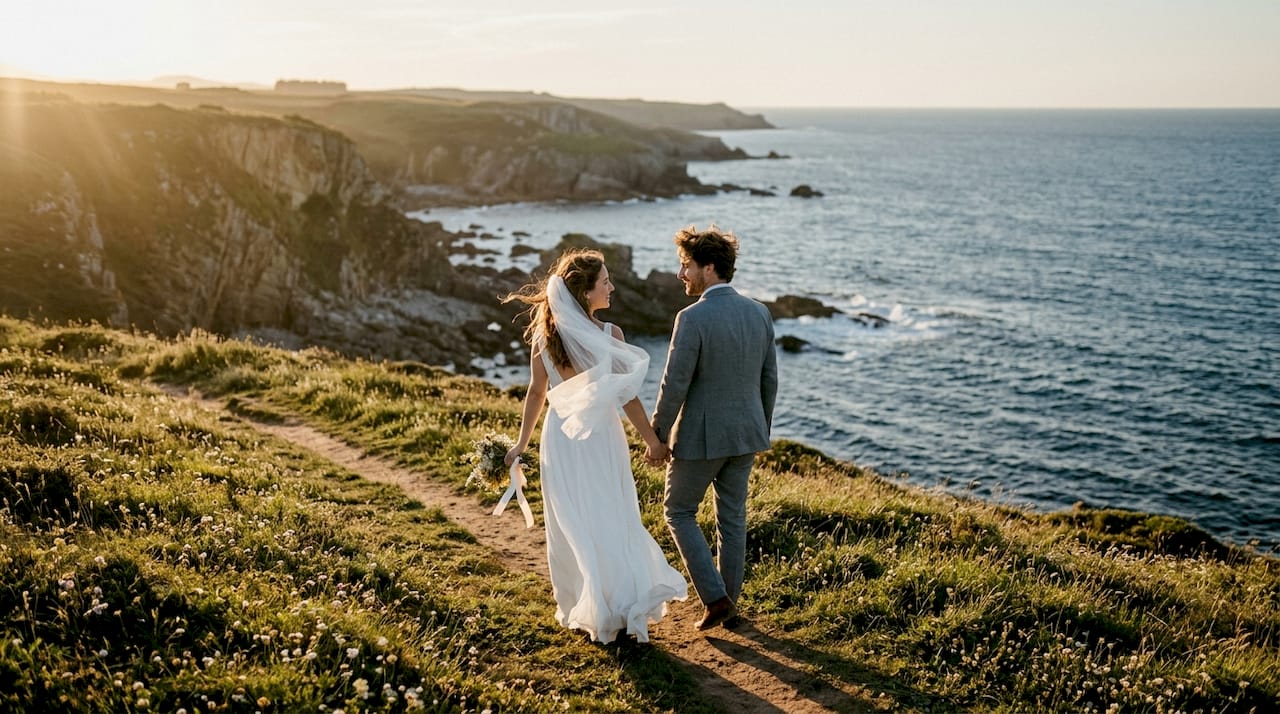
Spain has always known how to make love feel extraordinary. But for couples in 2026, the question is no longer just where to elope. It’s how to create something so personal, so visually breathtaking, that it feels less like a wedding and more like a film you’ll watch for the rest of your lives. The old formula of big venues and long guest lists is giving way to something far more meaningful: intimate ceremonies held on cliff edges, in olive groves, and along golden coastlines. This article walks you through the criteria, trends, costs, and insider strategies that define the most unforgettable elopements in Spain right now.
Table of Contents
- Core criteria for a personalized elopement in Spain
- Top adventurous and cinematic elopement trends for 2026
- Cost, value, and logistics: Elopement vs. traditional weddings in Spain
- Secrets for navigating Spain’s regions, seasons, and legal quirks
- A fresh perspective on what defines an unforgettable elopement in 2026
- Make your cinematic elopement in Spain effortless
- Frequently asked questions
Key Takeaways
| Point | Details |
|---|---|
| Personalized ceremony focus | Modern elopements in Spain put your relationship and story at the center, avoiding large-scale traditions. |
| Cinematic storytelling elements | Timelines, locations, and vendors are chosen to create breathtaking, film-worthy memories. |
| Major cost and stress savings | Elopements typically cost around 75% less than traditional weddings in Spain. |
| Adapt to seasons and legalities | Smart planning means picking the right time, handling permits, and understanding symbolic vs. legal ceremonies. |
| Adventure tailored to you | Your ideal elopement can include scenic hikes, multi-day events, or just peaceful privacy—it’s about your preferences. |
Core criteria for a personalized elopement in Spain
Every extraordinary elopement starts with the same question: what actually matters to you? Not what looks good on someone else’s Instagram feed. Not what your family expects. What matters to the two of you, alone, on the most intentional day of your lives.
Location is the first and most powerful decision. Spain offers an almost overwhelming range of settings, from the volcanic drama of the Canary Islands to the sun-bleached cliffs of Andalusia. When choosing a spot, think beyond beauty. Consider privacy, light quality at different times of day, and how the landscape reflects your relationship. Elopement trends in 2026 emphasize intimate, personalized experiences, cinematic storytelling, golden hour ceremonies, and light-optimized timelines. That means your location choice should be made with the sun in mind, not just the scenery.
Next comes the ceremony itself. Most international couples opt for a symbolic ceremony, which offers complete creative freedom without the paperwork burden of a legal wedding in Spain. If you want a legally binding ceremony, you’ll need to navigate residency requirements and documentation. A specialized elopement planner handles permits, logistics, and vendor coordination so you can stay present rather than stressed.
Here are the core criteria to prioritize when personalizing your elopement:
- Privacy and exclusivity: Choose locations where you won’t share the moment with strangers
- Light quality: Golden hour and blue hour create the most cinematic, emotionally resonant images
- Ceremony type: Symbolic ceremonies offer freedom; legal ceremonies require advance planning and documentation
- Permit requirements: Some national parks and protected areas require permits weeks in advance
- Weather backup: Always have an alternative location or timing plan ready
- Team size: Smaller is almost always better for intimacy and authenticity
Pro Tip: Choose vendors and planners who bring calm energy to the day. The mood of the people around you shapes your own emotional experience. One trusted filmmaker who plans, shoots, and guides you is worth far more than a large, unfamiliar team.
Top adventurous and cinematic elopement trends for 2026
Once your foundations are set, the real magic begins. Creative couples are rewriting what an elopement can look and feel like, and Spain is one of the most inspiring canvases in the world.
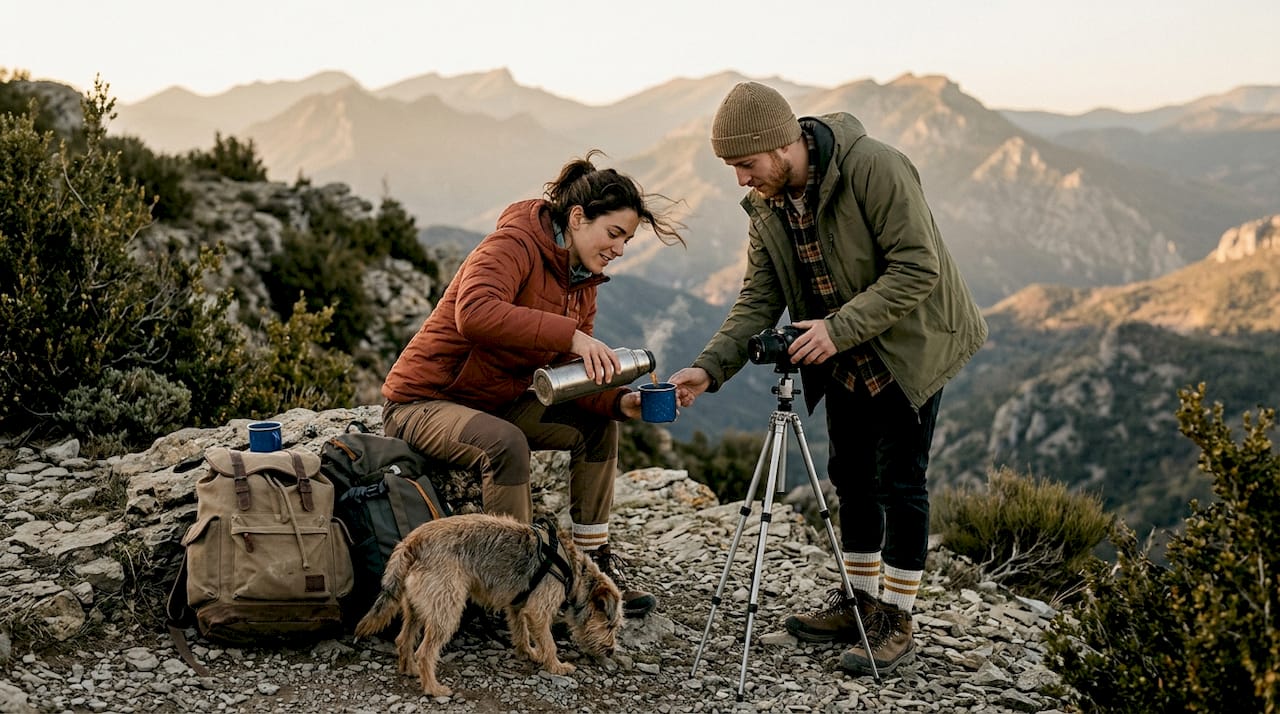
Multi-day elements, adventure locations, sunrise vows, and documentary-style videography define 2026 elopements. This isn’t about adding more activities for the sake of it. It’s about building a full, immersive experience that captures who you are as a couple.
Here are the standout trends shaping cinematic elopements in Spain right now:
- Golden hour ceremonies: The warm, diffused light of the hour before sunset transforms any location into something otherworldly
- Drone and multi-angle filmmaking: Aerial perspectives reveal the scale and beauty of Spain’s landscapes in ways a single camera never could
- Adventure-focused multi-day elopements: Think hiking through the Pyrenees on day one, vows on a hidden beach on day two
- Sustainability and local sourcing: Couples are choosing local florists, organic catering, and low-impact travel options
- Documentary-style storytelling: Less posed, more real. Filmmakers capture genuine emotion rather than directing every shot
| Trend | Why it works | Best location in Spain |
|---|---|---|
| Golden hour vows | Warm, cinematic light | Costa Brava cliffs |
| Multi-day adventure | Richer story arc | Pyrenees to Mediterranean |
| Drone filmmaking | Epic scale and context | Canary Islands |
| Documentary style | Authentic emotion | Andalusian villages |
| Sustainable choices | Meaningful and responsible | Mallorca countryside |
“The couples who walk away with the most powerful films aren’t the ones who planned the most elaborate setups. They’re the ones who stayed present, trusted the process, and let the story unfold naturally.”
Explore cinematic elopement tips and elopement film trends to see how other adventurous couples have brought these ideas to life.
Cost, value, and logistics: Elopement vs. traditional weddings in Spain
Let’s talk numbers, because the financial reality of eloping in Spain is genuinely surprising to most couples.
The average Spanish wedding costs €28,500, with an average of 85 guests, and 21% of weddings taking place on the beach. Elopements, by contrast, save couples roughly 75%, with a global average of around $5,800 USD. Even a premium cinematic elopement package is a fraction of what a traditional Spanish wedding costs. And elopements among millennials have grown 45% since 2015, a clear signal that couples are choosing meaning over magnitude.
Here’s a side-by-side look at what you’re actually comparing:
| Category | Traditional wedding | Elopement |
|---|---|---|
| Venue cost | €5,000 to €15,000 | Minimal to none |
| Guest catering | €8,000 to €20,000 | Not applicable |
| Photography/film | €3,000 to €6,000 | Included in package |
| Planning stress | Very high | Low with right planner |
| Personalization | Limited | Total creative freedom |
The logistics of an elopement are also dramatically simpler. No seating charts. No catering minimums. No venue contracts with 18-month waiting lists. Instead, you have:
- Choose your location and season
- Confirm permit requirements with your planner
- Design your ceremony and timeline around natural light
- Confirm your filmmaker and any additional vendors
- Show up and be present
Explore the full elopement cost comparison and a detailed wedding budget guide to understand exactly where your money goes. You can also browse package deals for elopements to find the right fit for your vision and budget.
Pro Tip: Take the money you save and invest it in travel, a stunning location upgrade, or a premium cinematic film package. The film is the one thing you’ll return to for decades. It deserves a real budget.
Secrets for navigating Spain’s regions, seasons, and legal quirks
Spain is not one place. It’s a dozen different worlds layered together, each with its own light, weather patterns, and logistical personality. Knowing which world suits your elopement is one of the most valuable things you can learn before you start planning.
Timing is everything. The best months for eloping in Spain are April through June and September through October. These windows offer ideal light, fewer crowds, and genuinely pleasant weather across most regions. July and August are beautiful but brutally hot in the south and often overcrowded at popular coastal spots. Winter can be magical in the right location, but northern Spain gets wet and windy.
Here’s what to know about Spain’s regions:
- Northern Spain (Galicia, Basque Country): Lush and dramatic, but expect wind and rain. Best in summer.
- Central Spain (Castile, Madrid): Extreme temperature swings. Spring and fall only.
- Southern Spain (Andalusia, Costa del Sol): Warm and golden almost year-round, but summer heat is intense.
- Mediterranean Coast (Costa Brava, Valencia): Near-perfect from April to October.
- Islands (Mallorca, Canary Islands): Mallorca peaks in spring and fall; Canary Islands are mild year-round.
On the legal side, regional weather, documentation, and timing can be pivotal. Legal weddings in Spain require residency documentation and specific paperwork with apostille certification and certified translations. For most international couples, a symbolic ceremony is the far simpler and equally meaningful choice. Your vows are no less real because they aren’t filed with a government office.
For remote island access or protected natural areas, all-in-one elopement deals that include logistics coordination are worth every penny. Getting to a hidden sea cave or a clifftop in a national park requires local knowledge that most couples simply don’t have.
Pro Tip: Always scout a backup location within 30 minutes of your primary spot. Weather in coastal Spain can shift quickly, and having a beautiful plan B means you never lose the magic, you just relocate it.
A fresh perspective on what defines an unforgettable elopement in 2026
Here’s something I want you to sit with: the most common mistake couples make when planning a cinematic elopement is chasing someone else’s vision.
You’ve seen the viral clips. Couple on a cliff, drone shot pulling back, golden light, tears, perfect. And it is beautiful. But when you try to replicate that exact scene, something gets lost. The authenticity. The surprise. The you.
Making your elopement cinematic has almost nothing to do with drone shots or perfect lighting setups. It has everything to do with moments that are genuinely yours. The nervous laugh before the vows. The way you hold hands without thinking. The silence after you say I do.
The most unforgettable elopements I’ve witnessed aren’t the ones with the most elaborate planning. They’re the ones where the couple stopped performing and started feeling. Adventure, in the truest sense, isn’t about hiking to a dangerous peak. It’s about choosing to be fully present with the person you love, in a place that moves you both, with nothing else demanding your attention.
That’s the real cinematic moment. And no trend can manufacture it.
Make your cinematic elopement in Spain effortless
You now have the criteria, the trends, the cost reality, and the regional knowledge to plan something truly extraordinary. The next step is finding the right creative partner to bring it all together.
At Stories by DJ, we work with a small number of couples each year, giving every elopement the deep, personal attention it deserves. From hidden gem location scouting to full cinematic films and still frames captured from the footage, everything is designed to feel intimate, intentional, and completely yours. Explore our planning tips for elopements, browse elopement inspiration from real couples, and discover what’s possible through our cinematic elopement film resources. Your story deserves to be told beautifully.
Frequently asked questions
What is the average cost of eloping in Spain in 2026?
Most couples spend around $5,800 USD for an elopement in Spain, which is roughly 75% less than a traditional Spanish wedding that averages €28,500.
Can foreigners have a legal wedding ceremony when eloping in Spain?
Foreigners can legally marry in Spain, but it requires residency documentation and apostille-certified paperwork, which is why most international couples choose a symbolic ceremony instead.
Which seasons are best for an outdoor elopement in Spain?
Late spring (April through June) and early fall (September through October) offer the ideal combination of beautiful light, comfortable temperatures, and fewer crowds at popular locations.
What makes a cinematic elopement different?
A cinematic elopement combines golden hour ceremonies and documentary-style storytelling to create a film that captures genuine emotion rather than posed moments, making it feel like a real love story on screen.
How do I handle permits and logistics for unique elopement spots?
Working with a specialized elopement planner who understands regional permit requirements, access logistics, and backup planning is the most reliable way to protect your day from unexpected complications.
Recommended
Previous Article
Elope on the Beach: A Sunrise Plan for Private Vows

I'm Dominick let's craft your perfect Mediterranean elopement.
Let's create a day that captures your love, surrounded by the Mediterranean's beauty. Ready to plan your perfect escape?
Start your Adventure Let's talk!