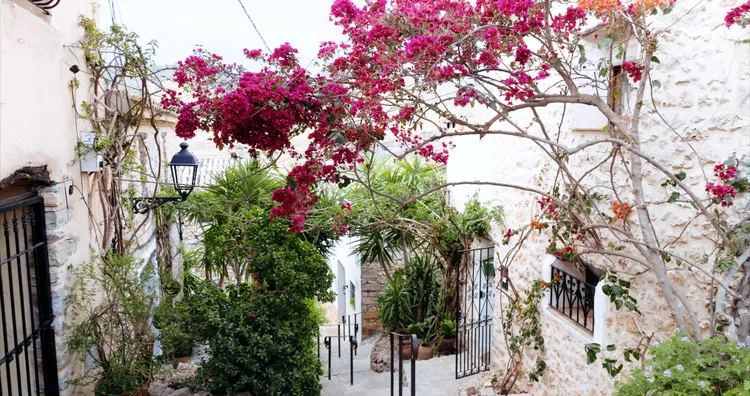
Top Spain elopement mistakes to avoid in 2026
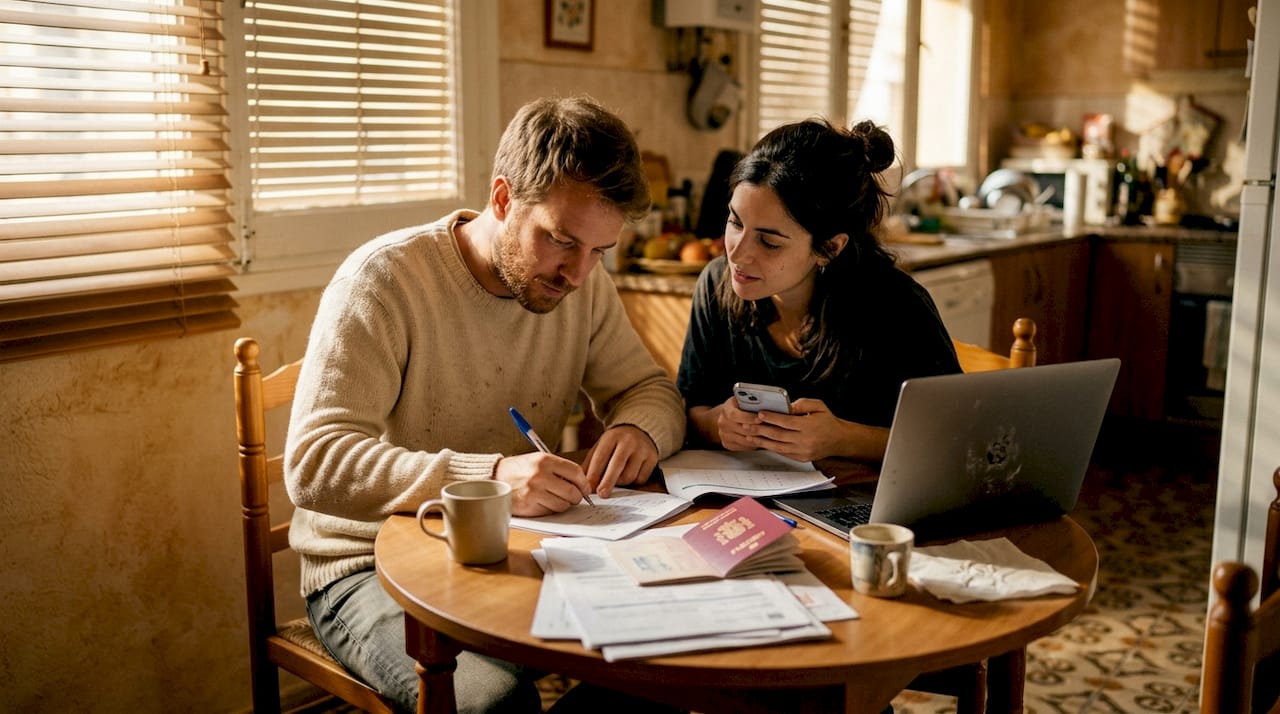
Planning an elopement in Spain feels like the most romantic idea in the world until the paperwork arrives, the summer heat hits at noon, or your entire ceremony gets interrupted by a tour group. The gap between a dreamy Mediterranean elopement and a stressful one often comes down to a handful of avoidable mistakes. Most couples don’t realize these pitfalls exist until they’re already in the middle of them. This guide walks you through the most common errors, why they happen, and exactly how to sidestep each one so your day stays personal, cinematic, and entirely yours.
Table of Contents
- Overlooking Spain’s legal requirements and paperwork
- Picking the wrong location or time
- Over-scheduling and rushing important moments
- Skipping day-of coordination and support
- Mistake comparison: How to prioritize for your Spain elopement
- Plan your story-first Spain elopement with expert support
- Frequently asked questions
Key Takeaways
| Point | Details |
|---|---|
| Paperwork takes planning | Start legal paperwork early or consider a symbolic ceremony for less stress. |
| Crowds and climate matter | Choose your location and season thoughtfully to ensure privacy and comfort. |
| Timeline shapes your experience | Avoid over-scheduling and allow time for authentic moments. |
| Support is essential | Day-of coordination ensures stress-free logistics and lets you focus on your story. |
Overlooking Spain’s legal requirements and paperwork
This is the mistake that catches the most couples off guard. Spain’s legal marriage process for non-residents is genuinely complex. You’ll need apostilled documents, certified translations, proof of single status, and in some cases, a civil registry appointment that can take months to schedule.
The legal steps for eloping in Spain as a foreigner are not impossible, but they require serious lead time. Plan 6 to 12 months ahead if you want a legally binding ceremony, because the bureaucracy moves slowly and errors in paperwork cause real delays.
Here’s why most international couples skip the legal route entirely: symbolic ceremonies. A symbolic ceremony gives you all the emotional weight of a real wedding, with personalized Spanish wedding vows, a meaningful location, and zero bureaucratic stress. You can legalize your marriage at home before or after the trip, which is far simpler.
Key things to know about Spain’s legal requirements:
- Apostilles are required for most foreign documents, including birth certificates and proof of single status
- Certified translations into Spanish must be done by a sworn translator
- Civil registry appointments in popular areas like Barcelona or Seville can book out months in advance
- Symbolic ceremonies carry no legal standing but offer complete creative freedom
- The Spain elopement paperwork process varies by region, so local guidance matters
Pro Tip: If you want a legally binding marriage, start the paperwork process at least 9 months before your date. If you want simplicity and full creative control, a symbolic ceremony followed by a courthouse signing at home is the smoothest path for most international couples.
Once the foundational legal aspects are addressed, couples should also think carefully about where and when to celebrate.
Picking the wrong location or time
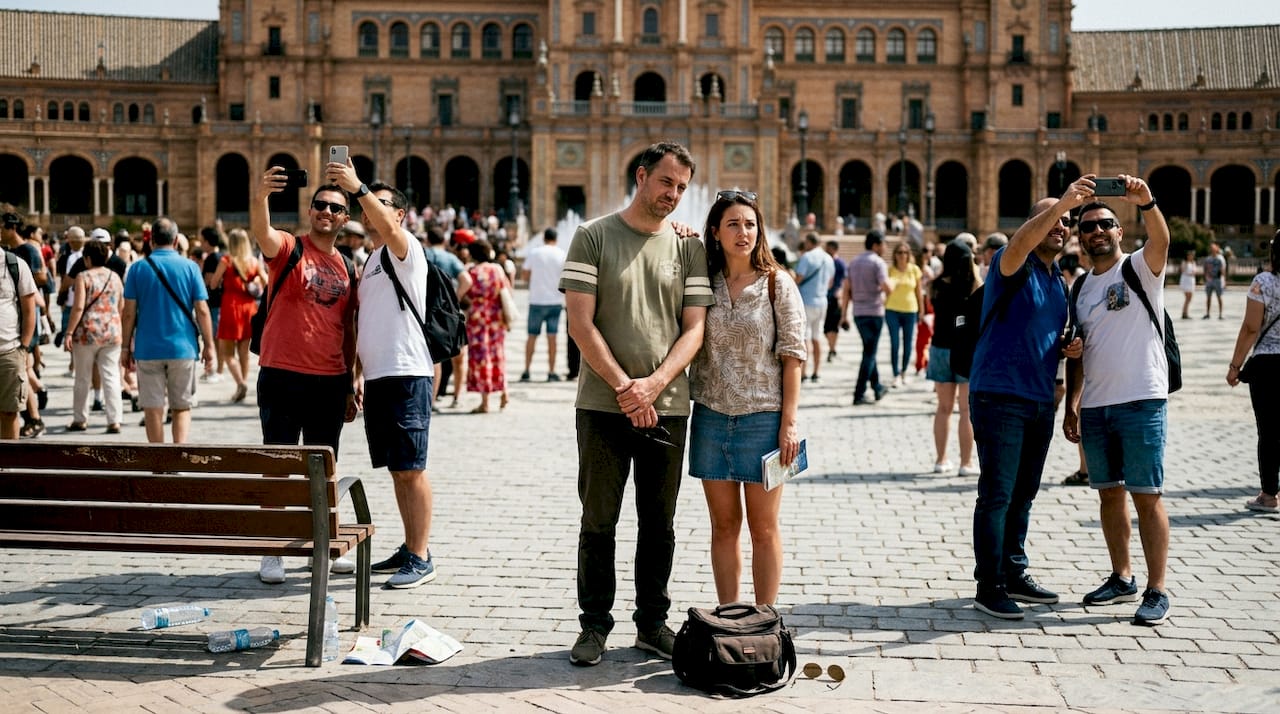
Spain is enormous and wildly varied. The mistake most couples make is defaulting to the most famous spots, places like the Sagrada Família plaza, the Alhambra gardens, or the cliffs of Ronda, without realizing these locations are packed with tourists from sunrise to sunset.
Crowded tourist spots don’t just affect your photos. They affect your experience. It’s nearly impossible to feel present and emotionally connected when strangers are walking through your ceremony or a tour guide is narrating loudly 20 feet away. Intimacy requires space.
Some of the best elopement venues in Spain are places most tourists never find. Hidden olive groves in Andalusia, sea cliffs in the Costa Brava, ancient ruins in the interior, these locations offer genuine privacy and extraordinary visual storytelling potential.
Seasonal timing matters just as much as location. Here’s a quick comparison:
| Season | Weather | Crowds | Best for |
|---|---|---|---|
| May to June | Warm, golden light | Moderate | Intimate outdoor ceremonies |
| July to August | Very hot (35°C+) | Peak tourist season | Avoid for outdoor midday events |
| September to October | Mild, rich colors | Low to moderate | Best overall for elopements |
| November to March | Cool, unpredictable | Very low | Moody, dramatic visuals |
The best elopement seasons in Europe align closely with Spain’s shoulder months. May, June, September, and October give you the best combination of light, temperature, and privacy.
Also worth noting: many scenic locations in Spain require permits for commercial filming or ceremonies. Skipping this step can result in fines or being asked to leave mid-ceremony. Always verify permit requirements for your chosen Spanish wedding destination well in advance.
Pro Tip: Avoid planning your ceremony between 12pm and 3pm in summer. The light is harsh, the heat is brutal, and the crowds are at their peak. Golden hour, roughly 60 to 90 minutes before sunset, is when Spain looks its most cinematic.
Even the ideal setting isn’t enough if the day’s flow is weighed down by over-scheduling or missed emotional beats.
Over-scheduling and rushing important moments
This mistake is subtle but devastating. Couples spend months planning every detail, then cram so many activities into one day that they never actually feel anything. The ceremony becomes a checkbox. The portraits feel rushed. The quiet moment you imagined sharing never happens because you’re already running to the next location.
Overloading the schedule instead of prioritizing light, emotion, and natural flow is one of the most common regrets couples share after their elopement. A packed timeline leaves no room for spontaneity, and spontaneity is often where the best moments live.
Here’s a framework for balancing your elopement timeline in a way that feels human:
- Build in buffer time between locations (at least 30 to 45 minutes)
- Protect your ceremony window from logistical interruptions
- Schedule a quiet moment just for the two of you, no cameras, no agenda
- Plan around light, not just convenience
- Limit location changes to two or three maximum for a single day
Another area couples often mishandle is the family question. Eloping means different things to different people. Some couples want absolute privacy. Others feel genuine regret about excluding parents or siblings. There’s no wrong answer, but ignoring the question entirely leads to awkward conversations after the fact.
Creative alternatives for planning your intimate wedding while still honoring family include a post-elopement celebration dinner, a live video call during the ceremony, or sharing your cinematic film as a reveal. These small gestures go a long way.
| Timeline element | Rushed approach | Intentional approach |
|---|---|---|
| Ceremony | 15 minutes, scripted | 30 to 45 minutes, personal vows |
| Portraits | Back-to-back poses | Wander, explore, react naturally |
| Travel between spots | No buffer time | 30 to 45 minute cushion |
| Quiet couple time | Skipped entirely | Protected 20-minute window |
| Golden hour | Missed due to delays | Anchored into the schedule |
A harmonious, meaningful flow is only possible if on-the-day logistics are under control and stress is minimized.
Skipping day-of coordination and support
You’ve planned everything. The location is perfect, the timeline looks good on paper, and you’ve confirmed every vendor. Then the morning of your elopement, the florist is 40 minutes late, you can’t find parking near the ceremony site, and nobody speaks enough English to help you figure out the permit situation.
Skipping day-of coordination is one of the most common regrets couples report after their wedding. When you’re in an unfamiliar country, even small logistical hiccups feel enormous because you don’t have the local knowledge to solve them quickly.
Here’s what a good coordinator or planning partner handles on the day:
- Vendor communication in the local language
- Timeline management so you’re never rushing or waiting
- Permit verification and on-site problem solving
- Weather contingency decisions in real time
- Emotional support so you can stay present instead of managing logistics
“The biggest thing I wish I’d done differently was hire someone to handle the day-of details. I spent half my elopement morning on my phone trying to coordinate things I thought were already sorted.” This kind of feedback is consistent across couples who planned without dedicated day-of elopement planning support.
Understanding the role of an elopement planner goes beyond logistics. A great planner reads the emotional temperature of the day and adjusts. They know when to slow things down, when to move, and when to simply get out of the way so you can be fully present with each other.
With these fundamentals in mind, let’s look at how all these pitfalls compare and what should matter most for your story-driven celebration.
Mistake comparison: How to prioritize for your Spain elopement
Not every mistake carries the same weight. Some are logistical headaches. Others can fundamentally change how you experience your day. Here’s a side-by-side look at the major pitfalls and their real-world impact:
| Mistake | Impact level | Fixable on the day? | Prevention effort |
|---|---|---|---|
| Ignoring legal paperwork | High | No | Start 9 to 12 months early |
| Choosing a crowded location | High | Rarely | Research and scout alternatives |
| Skipping permits | Medium to high | No | Verify 2 to 3 months ahead |
| Over-scheduling the day | High | Partially | Build a film-first timeline |
| No day-of coordinator | High | No | Book as part of your package |
| Wrong season or time of day | Medium | No | Plan around shoulder months |
Here’s the honest takeaway: the mistakes that are hardest to fix are the ones that require the most advance planning. Paperwork, permits, and location scouting can’t be solved the morning of your elopement. But with the right support, none of these need to be a problem at all.
For couples exploring Spain elopement tips and trying to figure out where to start, the answer is almost always the same: start with your story, then build the logistics around it.
| What matters most | Why it shapes everything else |
|---|---|
| Your emotional experience | Everything else serves this |
| Location authenticity | Sets the tone and visual language |
| Timing and light | Determines the cinematic quality |
| Logistical support | Protects your presence and peace |
| Legal clarity | Removes uncertainty before the day |
Now, discover how the right planning partner can help you sidestep these pitfalls and bring your story beautifully to life.
Plan your story-first Spain elopement with expert support
Avoiding these mistakes isn’t just about logistics. It’s about protecting the emotional core of your day. At Stories by DJ, Dominick works with a maximum of 3 to 6 couples per year, which means your elopement gets his full attention, not a template.
From hidden gem location scouting and permit handling to symbolic ceremony design and elopement photography captured as stunning stills from a cinematic film, every detail is handled so you can simply be present. Understanding why an elopement planner matters becomes clear the moment you realize how much goes into making a day feel effortless. Packages start at $6,500 for a 4-hour highlight film with stills, and go up to a fully immersive two-day Odyssey experience. If you want a Spain elopement that feels like you, not a Pinterest board, this is where that story begins.
Frequently asked questions
Is it possible to legally marry in Spain as a foreigner?
Legal marriage in Spain typically requires residency or an extensive set of documents including apostilles and certified translations, which is why most foreigners choose symbolic ceremonies instead.
What’s the top regret of couples who elope?
Many couples wish they had found a way to include family in some form, and most also regret not having more logistical support on the day itself.
What kind of ceremony do most Spain elopements use?
Symbolic ceremonies are by far the most common choice for international couples because they offer full creative flexibility without the legal bureaucracy, and couples can legalize their marriage at home.
How early should we start planning our Spain elopement?
Aim for at least 6 to 12 months of lead time, especially if you want a legally binding ceremony or need to secure permits for specific locations.
Recommended
Previous Article
Elopement Photographer Spain: Stills Pulled From Real Motion

I'm Dominick let's craft your perfect Mediterranean elopement.
Let's create a day that captures your love, surrounded by the Mediterranean's beauty. Ready to plan your perfect escape?
Start your Adventure Let's talk!