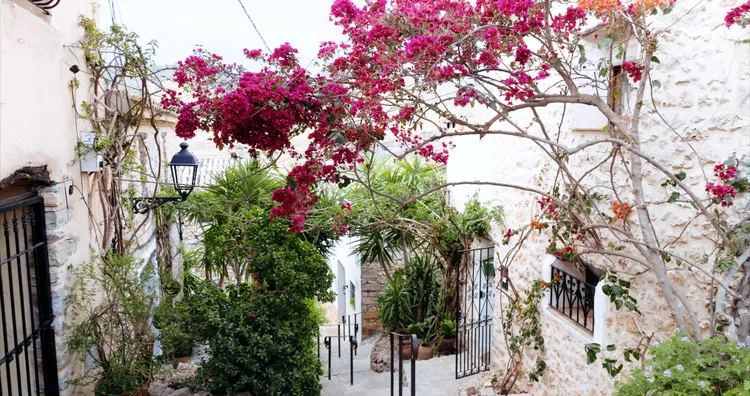
How to Get Married in Spain Without Paperwork Panic
You are packing light.
Not just a bag, but the noise.
The expectations. The seating chart. The performance of it all.
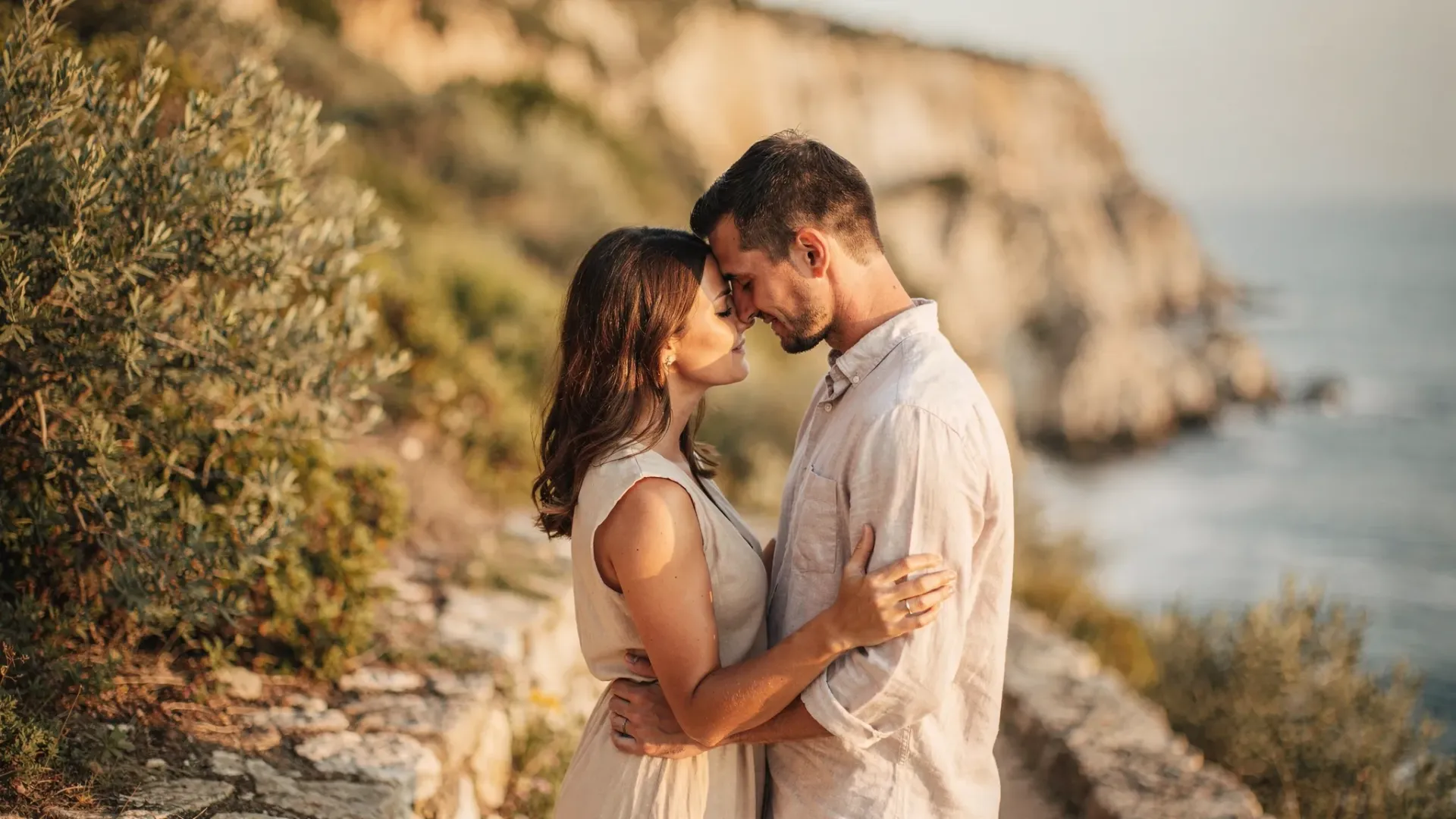
You keep coming back to the same daydream, you two, somewhere in Spain, where the wind softens your shoulders and the world finally stops asking you to be anything but in love.
And then, like a pinprick in the dream, the question arrives: how to get married in Spain without getting swallowed by paperwork.
First, breathe: Spain is romantic, but bureaucracy is literal
Spain is poetry outside, and paperwork inside.
Both can be true.
If you are an international couple, the legal process can feel foggy at first because it is not “one form and done.” It is timelines, translations, and offices with their own rhythms.
But you are not doing anything wrong by feeling overwhelmed.
You are simply trying to protect the thing you care about most, a day that feels like yours.
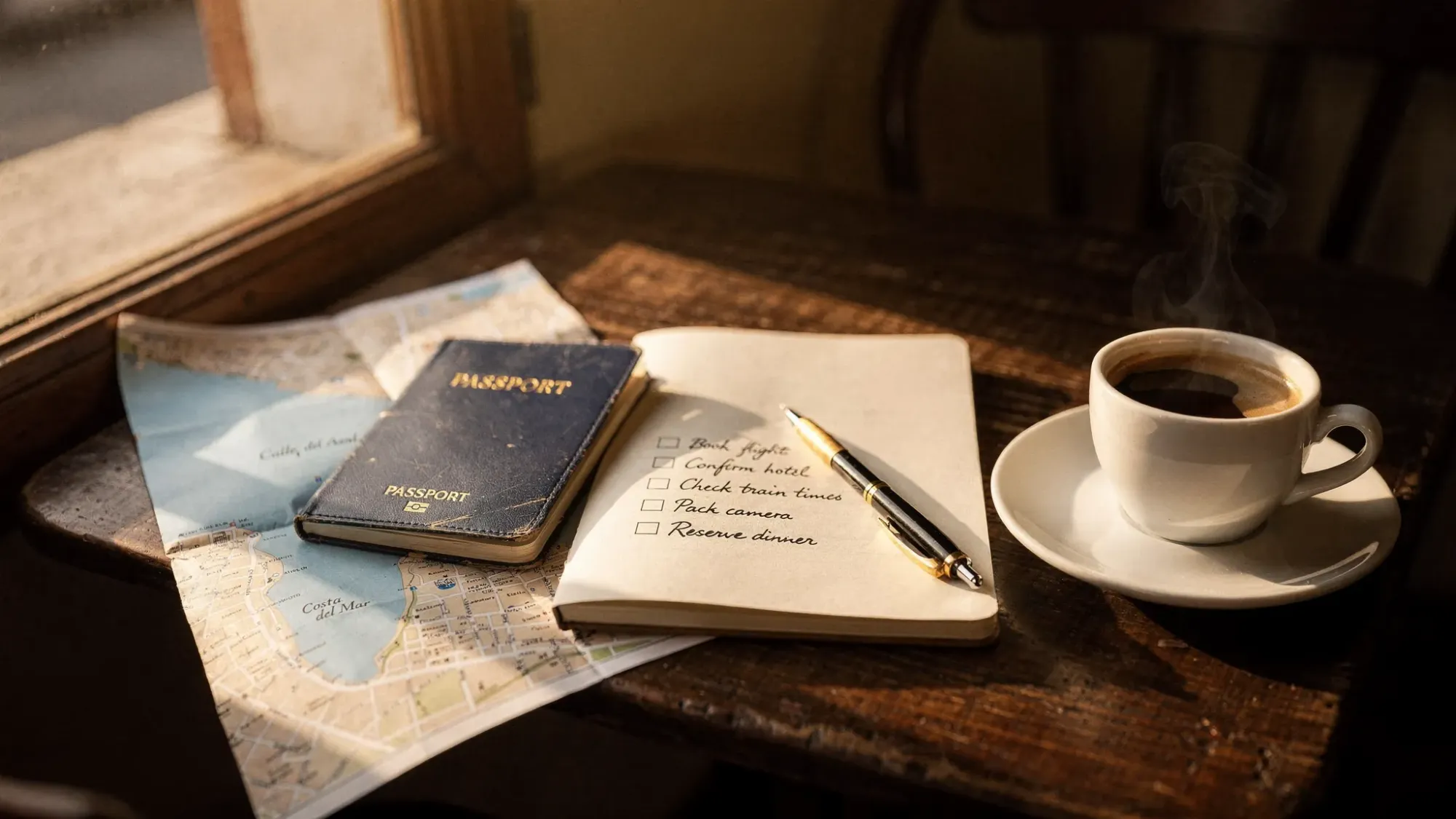
How to get married in Spain without paperwork panic
There are two clean paths, and one of them is often the secret to keeping your nervous system soft.
Path A: Make it legal in Spain
This is for you if it matters deeply that the marriage itself is registered in Spain.
It can be possible, but requirements vary by your nationality, residency status, and the local Registro Civil (civil registry office) handling your file.
In practice, the “hard part” is not the ceremony. It is the administrative lead time.
Path B: Make it cinematic in Spain, make it legal at home
This is the path many destination couples choose because it protects the heart of the experience.
You do the legal signing in your home country (sometimes quietly, sometimes with family later), and in Spain you hold a symbolic ceremony that is fully real in every way that matters to you: vows, rings, rituals, ocean air in your lungs.
Your film becomes the living proof.
And you are free to choose the cliffs, the coves, the olive groves, without the registry office dictating your story.
Here is the simplest way to see the difference:
| Choice | What it gives you | What it asks of you | Best for |
|---|---|---|---|
| Legal marriage in Spain | Spanish legal registration | More documents, more lead time, local office requirements | Couples with a strong legal reason or personal meaning tied to Spain |
| Symbolic ceremony in Spain + legal at home | Total location freedom, less admin stress | Two-part plan (legal signing + Spain ceremony) | Couples who want intimacy, flexibility, and a day shaped by light and landscape |
If you want the detailed legal route written out in full, keep this guide bookmarked: The Ultimate Guide to Eloping in Spain as a Foreigner: Making Your Dream Legal.
The paperwork is not the villain, the timing is
Paperwork panic usually comes from one thing: you start too late, or you do not know what “done” looks like.
Spain tends to be strict about official documents and formalities, especially for non-residents. Many documents must be recent, translated, and sometimes apostilled.
Because rules can change and local offices interpret requirements differently, the only truly safe advice is this:
- Confirm requirements with the Spanish consulate that covers your residence, and with the local Registro Civil where you intend to file.
Two reliable starting points (then you go local from there):
- U.S. Embassy and Consulates in Spain, marriage information
- Spain’s Ministry of Foreign Affairs and Cooperation
A calm, practical map (so you stop spiraling)
This is the part where you trade late-night tabs for a single clear plan.
If you are pursuing a legal marriage in Spain, your process often includes some version of the steps below. Treat this as a planning compass, not a legal guarantee.
- Decide your municipality (or region) early, because the local Registro Civil procedures can affect the timeline.
- Ask the Registro Civil for their exact document list for your nationality and status.
- Request fresh official documents from home (often birth certificates, proof of marital status, and other civil records).
- Check whether your documents need an apostille (many international documents do) and plan time for it.
- Arrange sworn translations into Spanish if required.
- Book registry appointments early, and expect waiting periods.
- Confirm witness requirements for the civil ceremony.
- Keep digital scans of everything, plus a physical folder, because redundancy is kindness to your future self.
If you are choosing the symbolic-in-Spain, legal-at-home path, your checklist changes dramatically.
You still plan thoughtfully, but now the “paperwork” becomes light logistics: travel, timing, where the wind is kindest, and how to say your vows without an audience of strangers.
If you want a structured planning tool you can actually hold in your hands, this is a beautiful next step: Free Spain Elopement Checklist, 47 Things to Plan Before You Go.
The part nobody tells you: the office hours do not care about golden light
Registry appointments happen when they happen.
But your ceremony, the one you will remember in your bones, deserves a different clock.
This is why so many couples quietly separate the legal act from the lived experience.
You do the signing where it is simple.
And then in Spain, you let the day unfold like a film: slow, spacious, real.
A sensory portrait: what your Spain ceremony actually feels like
You wake before the town.
There is that soft hush in the hallway of your little place, shutters still half-closed, the first slice of sun landing on terracotta tiles.
Outside, the air smells like rosemary and salt.
You drive while the world is still cool, windows cracked, your fingers tangled in the center console between turns.
Then you arrive somewhere that does not feel like a venue.
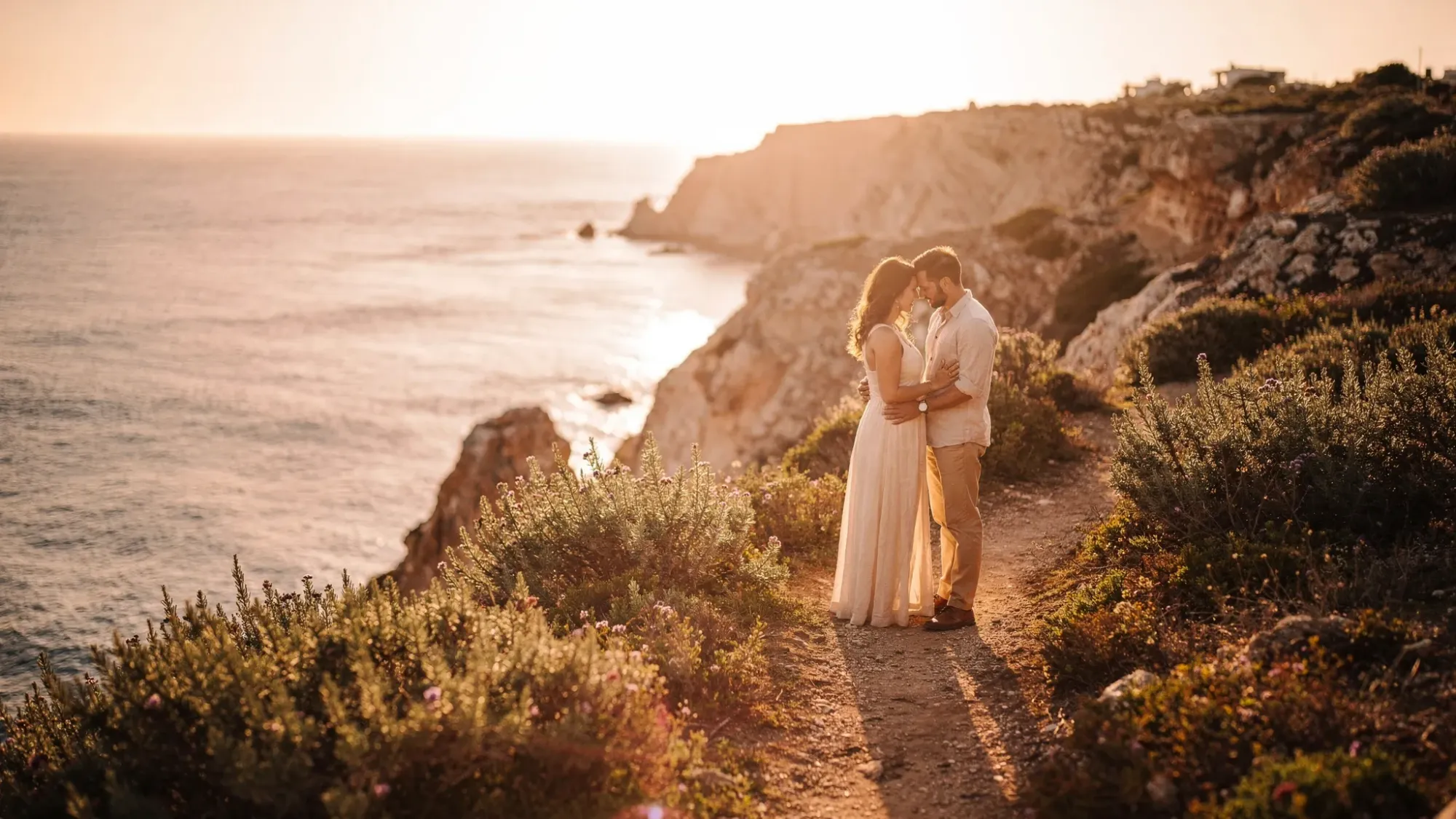
A cliff path that narrows just a little, where the breeze changes direction five minutes before the light turns honey.
A small cove below, waves making that steady, ancient sound, like a metronome for your nervous system.
You stand close.
You read vows you wrote in secret.
No aisle. No announcements.
Just the click of a ring against skin, the pause afterward, the way you both exhale at the same time because you realize, you are safe here.
So what do you actually “need” to plan, if you want it to feel effortless?
Even when you avoid the legal maze, you still want structure.
Not the suffocating kind.
The kind that makes room for presence.
Here is what tends to matter most for a Spain elopement that feels calm:
Choose a location that fits your nervous system
Some places are beautiful but loud.
Some places are quiet but tricky.
A hidden-gem plan is not just about avoiding tourists, it is about choosing terrain you can breathe in.
If you want to wander through possibilities, start here: Top 50 elopement locations in Spain.
Build a timeline around light, not tradition
In Spain, harsh midday sun can flatten everything.
The story lives in early morning and late afternoon.
A good timeline gives you margins: time to walk slowly, time to drink water, time to stop when you see a doorway covered in jasmine and you want a photo there.
Treat permits and privacy like part of the romance
Some beaches, natural parks, and historic sites have restrictions.
Sometimes you need permission.
Sometimes you simply need the right hour.
This is one of those invisible details that makes an elopement feel like a secret, not a spectacle.
When you bring Dominick in, the paperwork becomes background noise
You do not hire Dominick to tick boxes.
You bring him in when you want the whole thing to feel held.
He scouts places that do not show up on the first page of search results.
He builds an itinerary that flows like a travel story, not a schedule.
He guides your symbolic ceremony so it feels grounded and personal, not improvised.
And he captures it all as cinema, then pulls still frames from the film so you are not managing a big team, you are simply living inside your own day.
If you want to go deeper into the full experience of eloping here, this guide pairs beautifully with what you are reading now: How to Elope in Spain, Your Ultimate Guide.
The quiet truth: you are allowed to want it easy
You are allowed to want Spain without the stress rash.
You are allowed to want a marriage that feels like a deep breath.
Whether you decide the legal route is worth it, or you choose the symbolic path that keeps the day unhurried, the goal is the same: you walk away feeling more like yourselves, not less.
And if you are still wondering how to get married in Spain without paperwork panic, this is where Dominick fits naturally, not as a vendor, but as a guide who has stood in these landscapes, watched the light shift, and knows which steps matter and which ones can be softened.
When you are ready, you can start with a simple conversation here: Commence the adventure.
Previous Article
Mountain Elopement: Vows Above the Noise, Wind in Your Hair

I'm Dominick let's craft your perfect Mediterranean elopement.
Let's create a day that captures your love, surrounded by the Mediterranean's beauty. Ready to plan your perfect escape?
Start your Adventure Let's talk!