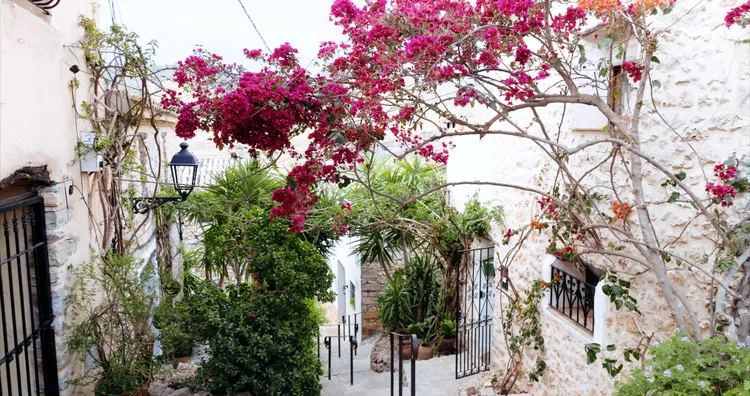
How to Elope in Spain: Step-by-Step Guide for Adventurous Couples
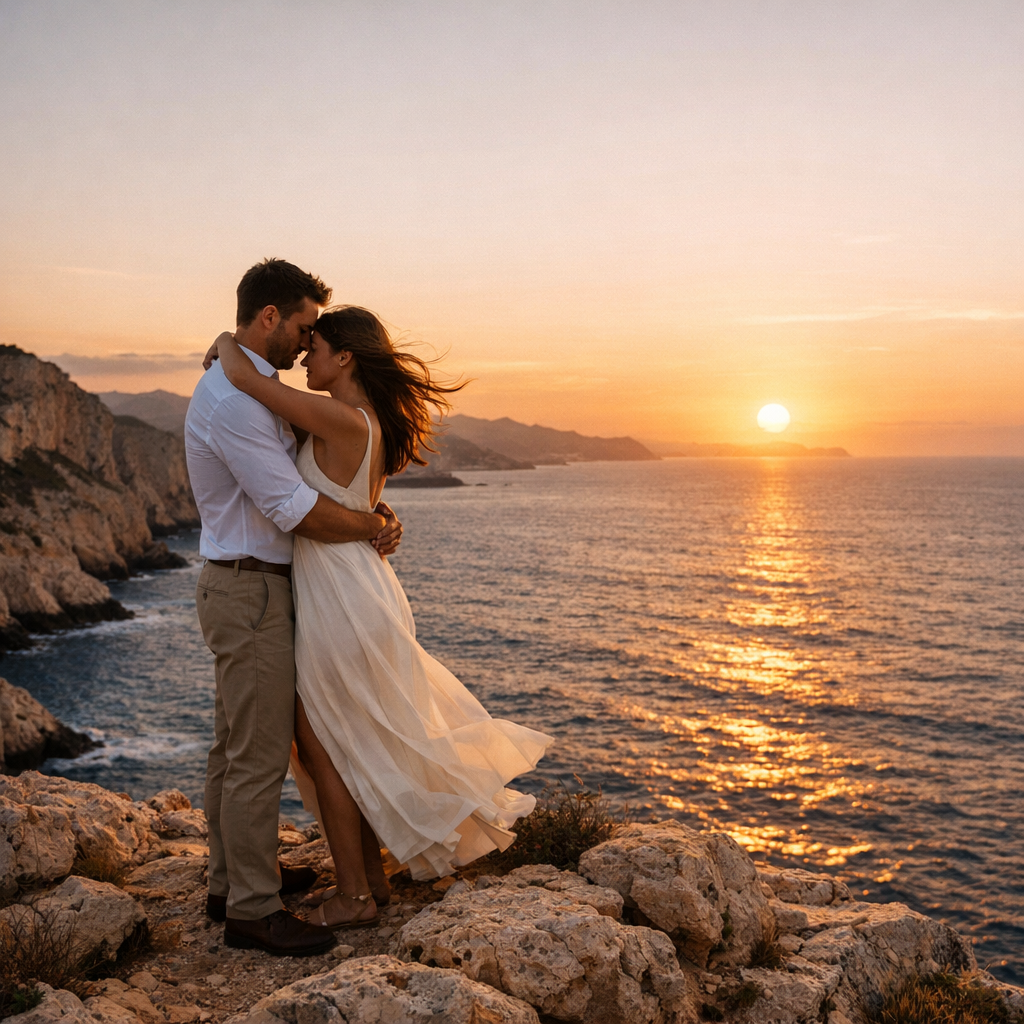
Dreaming of saying “yes” beneath a Mediterranean sunset, in an old stone village, or on a windswept cliff with just your person? That quiet, cinematic promise is exactly what eloping in Spain can feel like. If you want a small, intentional ceremony with help from someone who knows the light and the paperwork, this guide shows you how to plan it, what to expect, and how to make the day yours.
Why elope in Spain?
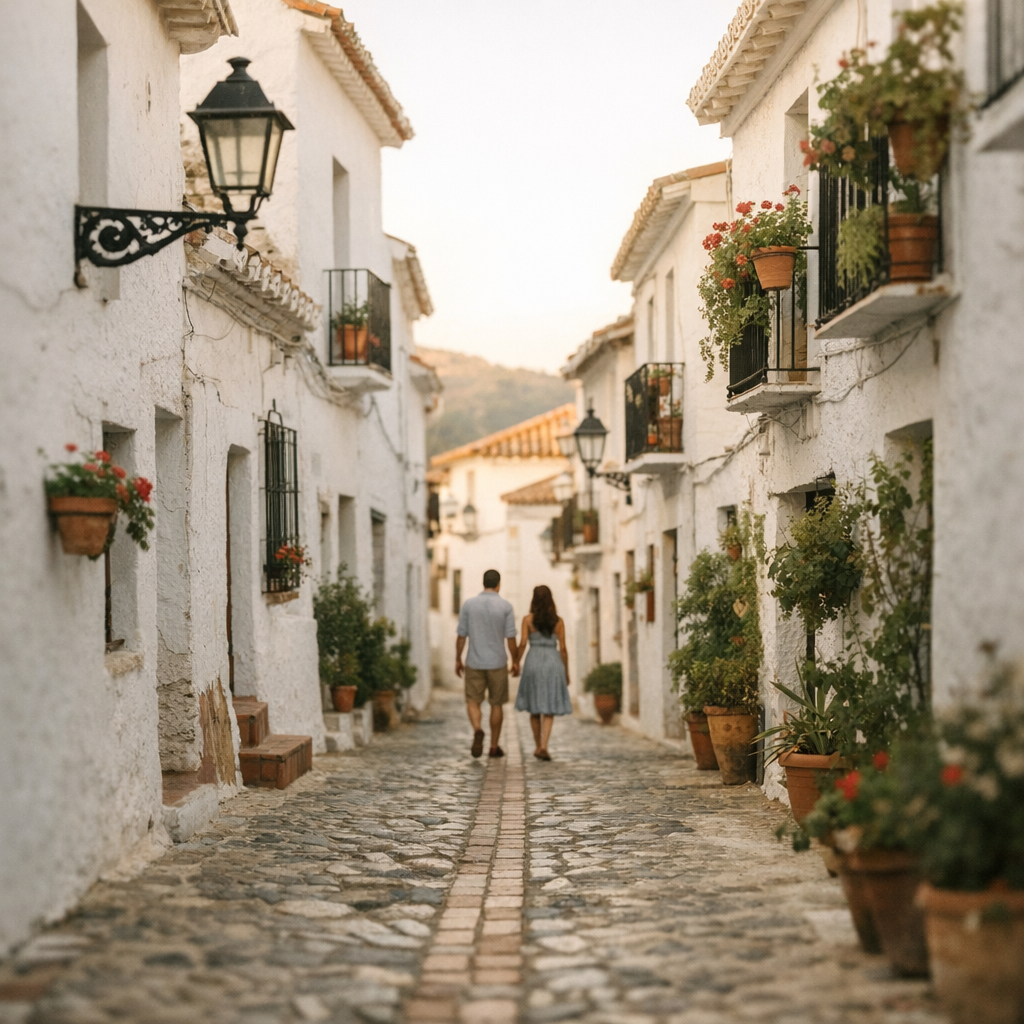
Spain mixes dramatic landscapes, old-world villages, and rich, relaxed culture. You can exchange vows in a tiny hilltop pueblo, on a boat under starlight, in a finca surrounded by olive trees, or on a secret beach. For many couples, it is the feeling of intimacy, the scenery, and the ease of blending ceremony and honeymoon into one that makes Spain a top choice.
Quick roadmap: How to elope in Spain (overview)
- Choose location and vibe: coast, mountains, island, town. Think mood, travel ease, light, and privacy.
- Decide legal or symbolic ceremony: full legal marriage in Spain involves paperwork and residency or consular documents. Many couples do a symbolic ceremony in one spot, register legally elsewhere, or use local civil options.
- Hire a local-savvy planner or filmmaker, especially one who can handle permits, timelines, and vendor recommendations.
- Build a flexible timeline that prioritizes light and emotion, not a schedule of events.
- Plan for translations, apostilles, and the Civil Registry process if you want the marriage to be legally recognized in Spain.
Legal steps and practical timing
Here’s the thing, paperwork takes time. If you want a legally recognized civil marriage in Spain, planning should start at least 3 months ahead. Requirements vary by region, but common steps include passports, full birth certificates (apostilled and translated), proof of marital status or certificate of no impediment, and sometimes proof of residence. Some registries require an interview or publication of banns. For authoritative, up-to-date details consult the Spanish Ministry of Justice and local Civil Registry guidance. Spanish Ministry of Justice and the Civil Registry info page provide official procedures and documents.
If you are a UK or Irish citizen, embassy guidance can be essential, for example the UK has specific instructions about certificates of no impediment. See the GOV.UK page for one example of consular procedures and document guidance. GOV.UK - Getting married in Spain.
Pro tip: Many couples choose a symbolic ceremony for the elopement day and complete the civil paperwork before or shortly after, especially when timelines are tight. A planner or local legal gestor can save weeks of hassle.
Picking the right location and season
- Islands and coasts (Mallorca, Ibiza, Costa Brava): best May to October for light and warmth.
- Mountains (Picos, Sierra Nevada): late spring and early autumn offer dramatic skies and cooler temperatures.
- Historic towns (Andalucía, Girona): shoulder seasons are quieter and more authentic.
Think about travel for your guests, weather backups, and permit needs for popular natural sites. Want hidden spots and the best light? A local planner and scout will make a huge difference.
Planning timeline (simple checklist)
- 3+ months: Start paperwork, pick date window, book travel and lodging, reach out to a planner.
- 6–12 weeks: Finalize ceremony type, vendors, and timeline. Arrange translations/apostilles if doing legal marriage.
- 2–4 weeks: Confirm permits, pack clothing and rings, share a simple schedule with your planner.
- Day-of: Keep it intimate, let your photographer/filmmaker guide the timing for the best light and emotion.
If you want help with planning, location scouting, and filmmaking, check Stories by DJ’s all-inclusive elopement packages and the destination pricing guide for Spain. All-Inclusive Elopement Package for Two and the pricing overview for Spain are good starting points.
Styling, vendors, and minimal teams
Elopements shine when you keep the vendor list small and choose quality over quantity. A planner/filmmaker who can handle location scouting, timeline creation, and film coverage reduces stress. Consider a celebrant or officiant who speaks English and Spanish, a florist for a small bouquet, and one great meal or picnic to celebrate. If you want cinematic footage and photos that feel alive, prioritize an experienced filmmaker who understands light and intimacy.
Budget snapshot and what to prioritize
You can elope on many budgets. Key costs to prioritize: travel and lodging, legal fees and document processing, permits for private or protected locations, and your photographer/filmmaker. If film matters most to you, allocate a healthy portion of the budget to it—it becomes the memory you watch for decades.
Frequently Asked Questions
How long does it take to make a marriage legally valid in Spain?
Timing varies, but allow at least 2–3 months to gather, apostille, and translate documents, plus registry processing time. Some regions are faster, others require interviews and publication periods.
Can foreigners get legally married in Spain without being residents?
In many cases one partner must prove a residency link to the municipality, but there are exceptions. Religious weddings and notary options can differ by region. Check local Civil Registry rules before you book.
What documents do we need from our home country?
Typically passports, full birth certificates, proof of civil status or certificate of no impediment, and divorce/death certificates if applicable. Most documents must be apostilled and translated.
Is a symbolic ceremony enough if we want to elope quickly?
Yes, many couples opt for a symbolic ceremony for the experience, and complete the legal paperwork either in their home country or through consular channels. A planner can advise on which route suits your timeline.
Do we need witnesses?
For civil ceremonies, two witnesses are commonly required. For symbolic ceremonies, it is up to you. If you travel alone, your planner or officiant can often arrange trusted local witnesses.
Should we hire a local planner or handle it ourselves?
Hiring someone local or locally experienced, especially for legal steps and permits, reduces stress and avoids costly mistakes. If you want cinematic coverage plus planning support, consider a combined filmmaker-planner.
What about language barriers at the registry?
Bring a translator or confirm the registry will accept English. Many registries require documentation in Spanish and may request an interpreter for interviews or ceremonies.
What I recommend if you’re ready to elope in Spain
Start with a short planning call to get clarity on timeline, legal needs, and location. If you want someone who plans with film-first storytelling and handles logistics, take a look at Stories by DJ packages and reach out via the contact page to begin shaping your adventure. Elopement inspiration and examples can help you imagine what your day might feel like, and the contact page explains how to start the booking and planning process.
Let’s make this real
You don’t need permission to choose your kind of celebration. Whether you want an intimate cliffside vow, a quiet finca beneath olive trees, or a sailboat under the stars, Spain gives you choices. If you want help turning the dream into a timeline, the paperwork into a yes, and your emotions into a film, I’d love to help bring it to life. Visit Stories by DJ to start planning—your story deserves a cinematic keeper.
Ready to begin?
If you’re thinking about dates, locations, or whether to do a legal or symbolic ceremony, reach out and let’s dream together. Start your inquiry and see available packages at https://www.storiesbydj.com, or message directly via the contact page to schedule a call.
Conclusion
Eloping in Spain is part logistics, part romance, and all about choosing what matters to you. Start early for legal paperwork, pick a season and place that match your mood, keep the team small, and prioritize storytelling. With a little planning and the right help, you can make your vow feel like a scene from your favorite movie, then keep it forever on film.
Previous Article
Top 50 elopement locations in Spain

I'm Dominick let's craft your perfect Mediterranean elopement.
Let's create a day that captures your love, surrounded by the Mediterranean's beauty. Ready to plan your perfect escape?
Start your Adventure Let's talk!