The History of Elopement: From Forbidden Love to the Most Intentional Choice You Can Make
You've felt it. The quiet resistance when someone asks about your wedding plans and you smile politely while something inside you deflates. The guest list that keeps growing. The venue that's already booked two years out. The whole performance of it — the centerpieces, the seating charts, the speeches from people who barely know you as a couple.
And underneath all of it, a different picture. Just the two of you. Something real. Something that actually feels like you.
That feeling isn't new. It has a history — a long, beautiful, rebellious one. And understanding the history of elopement might be the thing that finally gives you permission to want what you already want.
Where the Word Comes From
The word elope arrives from the Middle Dutch ontlopen — to run away. It moved through Old French and into English somewhere in the 16th century, attached to the idea of a woman leaving without her family's consent.
Even the etymology is romantic. It was always about choosing your own story over the one being written for you.
The history of elopement doesn't begin with Vegas chapels or Instagram elopements on Italian hillsides. It begins much earlier — in the gap between who people were told to love and who they actually loved.
When Elopement Was an Act of Survival
17th and 18th centuries
For most of human history, marriage wasn't a declaration of love. It was a transaction — land, lineage, alliances, money. Families arranged matches the way they arranged business dealings. The feelings of the people involved were largely beside the point.
So when two people fell in love outside the approved arrangement, they had a choice: surrender to the plan laid out for them, or run.
Most stayed. Some ran.
Those who ran often traveled to places where marriage laws were looser, where a sympathetic priest might ask fewer questions, where the ceremony could happen quietly and quickly before anyone caught up.
In Scotland, Gretna Green became the most famous of these destinations. Just across the English border, where Scottish law allowed young couples to marry without parental consent, blacksmiths became accidental officiants. Couples arrived breathless. They left married.
It wasn't glamorous. It was desperate and courageous and completely, purely about love.
The Romantics Made It Beautiful
19th century
Something shifted in the 1800s. The Romantic movement arrived — in poetry, in painting, in the way people began to understand love itself — and suddenly, the couple who ran away wasn't scandalous. They were heroic.
Jane Austen wrote about elopement with complexity: the recklessness of Lydia Bennet in Pride and Prejudice, the near-catastrophe of Georgiana Darcy. But in doing so, she also made clear how desperately young people wanted to choose their own fate — and how much the world punished them for trying.
The literature of the era glamorized the pursuit of love over propriety. The couple who defied their families and married in secret became a romantic archetype. Their story was the interesting one. Their love was the one worth telling.
The history of elopement is, in part, a history of imagination — of people deciding that their love story deserved to be written by them.
"Elopement was never really about running away. It was always about running toward."
The 20th Century: From Scandal to Choice
The 20th century changed almost everything about how elopement was understood.
Two world wars collapsed old social structures. Women entered the workforce and gained independence. The counterculture of the 1960s and 70s questioned every inherited tradition, including the institution of the wedding itself.
Elopement stopped being an act of desperation and became something else: a preference.
Las Vegas accelerated this shift. Drive-through chapels. Twenty-four-hour ceremonies. The whole city built on the idea that marriage could be joyful and immediate and a little bit wild. Celebrity elopements — Frank Sinatra, Paul Newman, countless others — filtered through the culture and made it feel not just acceptable, but cool.
By the end of the century, eloping carried a different meaning entirely. It was no longer something you did because you had no other option. It was something you chose because you had every option — and this was the one that felt most like you.
A brief timeline of how the history of elopement evolved:
- Pre-1700s — Marriage as transaction; elopement as defiance of family authority and financial arrangement
- 1700s — Gretna Green becomes the destination for couples fleeing English law; elopement as practical escape
- 1800s — Romanticism reframes elopement as proof of true love; literature and poetry make it aspirational
- Early 1900s — Social upheaval begins loosening marriage norms; elopement becomes more socially survivable
- 1950s–60s — Las Vegas rises; celebrity culture glamorizes quick, intimate ceremonies
- 1970s–80s — Personal freedom and individualism reshape what marriage is for
- 1990s–2000s — Destination elopements emerge; couples begin choosing experience over event
- 2010s–present — Elopement redefines itself entirely: intentional, cinematic, deeply personal
What Modern Elopement Actually Is
Here is what the history of elopement arrives at, after all those centuries of running and longing and daring:
A choice.
Not a compromise. Not a shortcut. Not something you do because you can't afford a big wedding or because your families are difficult. Modern elopement is what happens when two people look at every option available to them — the ballroom, the guest list, the four-course dinner — and decide that none of it is as interesting as a cliff where the wind shifts five minutes before golden light breaks across the valley.
It's the couple who hikes to a hidden cove on the Costa Brava at dawn, says their vows with the smell of salt and pine in the air, and then swims in the Mediterranean before noon.
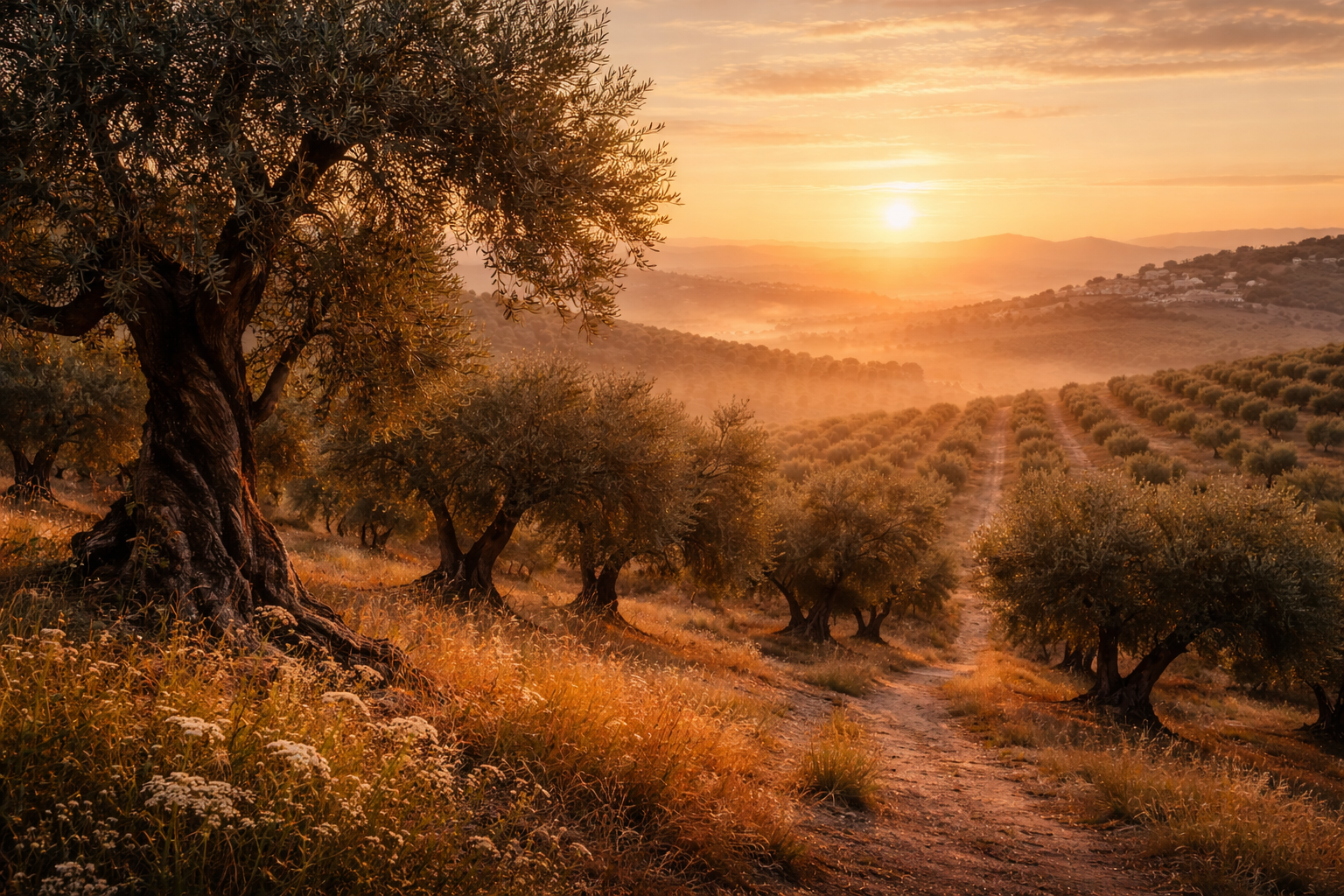
It's the couple who stands in an olive grove in Andalusia in late afternoon, when the light turns amber and the silence is so complete you can hear each other breathe.
It's not smaller than a traditional wedding. It's more concentrated. Every element of the day belongs to you — because you designed it that way.
Why Couples Are Choosing It Now
The question used to be: why would anyone elope?
Now the question is: why would anyone not consider it?
There are practical reasons. Elopements cost a fraction of traditional weddings. They require no seating charts, no favors, no overnight negotiations with caterers. You redirect the money — toward the location, the film, the dinner for two afterward, the honeymoon that begins the moment the ceremony ends.
But the practical reasons aren't really why couples choose to elope. They choose it because something in them recognized, early on, that their love story doesn't need an audience to be real.
They choose it because they'd rather have one perfect morning on a Spanish cliff than a perfect weekend that somehow doesn't feel like them.
They choose it because they've been to enough weddings where the couple looked slightly exhausted by 7pm — and they want something different.
If you're planning to elope in Spain, that instinct already tells you something important about who you are.
What the History of Elopement Tells Us About Love
Every era had its version of the couple who chose each other over the plan that had been made for them.
The teenager in 17th century England who climbed out a window. The young woman in the Victorian era who left behind a comfortable arrangement for something uncertain and true. The couple in the 1970s who drove to Nevada with twenty dollars and a sense of humor.
They all wanted the same thing: to make a choice that was entirely their own.
The history of elopement is not a history of rebellion for its own sake. It's a history of people who understood that the ceremony is not the marriage — that what matters is the promise, the person, and the place where you make it.
You don't need centuries of context to feel that. But it's there, if you want it. A long line of people who ran toward each other and never looked back.
Questions Worth Asking
Is elopement legally recognized? Yes — in virtually every country, an elopement is simply a marriage with an intimate or private ceremony. Legal requirements vary by location. If you're eloping in Spain, there are specific steps to make it official, and a good guide will walk you through all of them.
Do we have to elope in secret? Not at all. Many couples tell their closest people and celebrate with family after. The defining quality of a modern elopement isn't secrecy — it's intentionality.
Can an elopement still feel significant? More than significant. When you remove everything that isn't essential, what remains is everything that matters. Couples who elope almost universally say the day felt more present, more meaningful, more theirs than anything a larger wedding could have offered.
What if we want beautiful photos and film? That's the whole point. An elopement in a breathtaking location, documented by someone who knows the light and the landscape, produces images that no ballroom ever could. The location is the backdrop. The day is the story. You can explore real elopement films here to see what that looks like in practice.
An Invitation
Dominick has stood in olive groves before dawn and on sea cliffs when the wind changes. He's found the light that hits a particular canyon wall at 6pm in September, and the tide pool on the Costa Brava that's only reachable at low tide.
He loves those early conversations — when a couple shares a feeling they've been carrying quietly, and he gets to say: I know exactly the place.
If any part of this history feels like yours, start the conversation here.
Previous Article
Top elopement locations in ancient Cyprus
Next Article
Water-Inspired Elopements

I'm Dominick let's craft your perfect Mediterranean elopement.
Let's create a day that captures your love, surrounded by the Mediterranean's beauty. Ready to plan your perfect escape?
Start your Adventure Let's talk!