Essential elopement videographer interview questions you need to ask
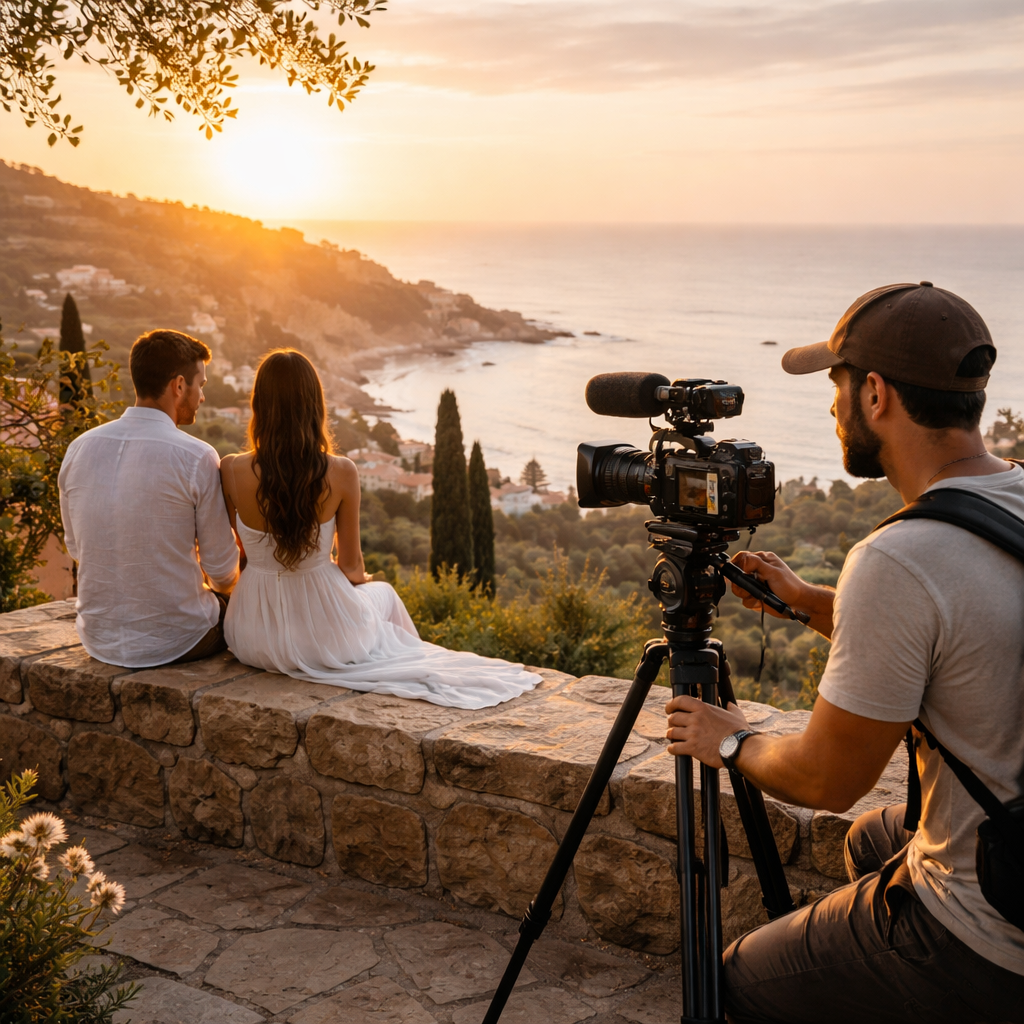
Planning a destination elopement in Spain already feels like a whirlwind of visas, venue scouting, and that perfect sunset spot—so adding a videographer into the mix can make your head spin.
Ever wondered how to separate a true storyteller from someone who just points a camera and hits record? That's where the right elopement videographer interview questions become your secret weapon. Asking the right things up front saves you from a film that feels generic or, worse, a missed moment you’ll regret.
First, get a feel for their style. You might ask, “Can you describe your cinematic approach and how you capture intimacy on a cliffside ceremony?” A good answer will mention natural light, steady‑cam movement, and an emphasis on the couple’s unguarded glances—not just the grand landscape.
Next, dig into experience. “How many elopements have you filmed in Spain, and which regions do you know best?” Couples coming from abroad often need a guide who knows the logistics of filming in places like the Alhambra gardens or the rugged coast of Costa Brava.
Equipment matters, too. Try, “What cameras and lenses do you use, and how do you handle low‑light moments at sunrise?” The best videographers will talk about full‑frame sensors, prime lenses, and portable lighting kits that keep the footage crisp without stealing the natural vibe.
Don’t forget the editing process. Ask, “How long does post‑production take, and can we see a sample of a finished elopement film?” This reveals their turnaround time and whether they weave ambient sound and music that matches your adventure spirit.
Legal and planning questions are often overlooked. “Do you help with the paperwork for a symbolic ceremony in a historic Spanish venue?” A filmmaker who also offers planning support can smooth out the paperwork maze for international couples.
Finally, trust your gut. “What’s one thing you wish couples knew before the day of filming?” The answer often shows their empathy and reveals hidden gems—like bringing a spare battery or planning a quiet moment for candid reflections.
Armed with these interview questions, you’ll feel confident that the person behind the lens truly gets your love story. Ready to dive deeper into each question and see why they matter? Let’s explore the list that will turn your elopement film into a timeless documentary.
TL;DR
Choosing the right elopement videographer in Spain starts with asking the right interview questions, so you capture intimate, cinematic moments without stress and peace of mind.
Our guide walks you through essential queries on style, equipment, editing timeline, legal support, and on‑the‑day logistics, ensuring confidence and a timeless film for your unique love story.
Step 1: Define your style and expectations
Before you even pick a camera, you need to know what kind of story you want your elopement film to tell. Do you picture a breezy, documentary‑style day where the lens just follows you, or a polished cinematic piece with sweeping drone shots and a carefully scored soundtrack? Knowing the answer shapes every interview question you’ll ask later.
Here’s how to nail down your style in three quick moves.
1️⃣ Sketch the vibe you love
Grab a notebook (or a notes app) and list three adjectives that describe the mood you want: “intimate,” “adventurous,” “timeless,” for example. Then pull up a few reference videos—maybe a short clip from a friend’s elopement or a reel on Instagram. Write down what caught your eye: natural light, handheld movement, slow‑motion kisses. This gives you concrete language to use when you ask, “How would you describe your visual style?”
And remember, you’re not just talking aesthetics. Think about the narrative arc: do you want a simple “we said yes” story or a mini‑adventure that shows the hike up to the cliff, the quiet moments on the way, and the sunset ceremony?
2️⃣ Match style to location
Spain’s diverse scenery—from the rugged cliffs of Costa Brava to the olive‑groved hills of Andalucía—calls for different visual approaches. A sunrise on a secluded beach shines with soft pastel tones, while a mountain‑top ceremony benefits from dramatic contrast and wide‑angle lenses.
Ask yourself: “Which lighting conditions will dominate my day?” and then translate that into a question for the videographer, such as, “How do you handle low‑light moments at sunrise on a cliffside?” This shows you’ve thought about the practical side of your aesthetic.
3️⃣ Set clear expectations on deliverables
Style isn’t just about how the footage looks; it’s also about the final product you’ll receive. Do you want a 3‑minute highlight reel, a full‑length documentary, or both? Do you need a version with subtitles for family back home?
Write down the exact deliverables you expect and ask the videographer, “Can you walk me through your editing workflow and what you’ll deliver?” This prevents surprises and aligns timelines.
When you’ve got these three pieces—mood adjectives, location‑specific considerations, and deliverable checklist—you’ll be armed with precise, confidence‑building interview questions.
Real‑world example
Imagine Ana and Luis, an international couple planning a sunrise elopement in the Alhambra gardens. They listed “dreamy, romantic, natural” as their adjectives, watched a few videos of sunrise ceremonies, and noted they loved the way light filtered through ancient arches. Their checklist included a 5‑minute highlight, a full‑day edit, and a separate audio‑only file of their vows.
During the interview they asked, “Do you have experience filming at heritage sites with early‑morning light?” and “Can you provide a rough edit schedule so we can share the film with family in three weeks?” The videographer they chose could point to a similar past project, confirming he’d bring the right gear and knew the permit process—everything lined up perfectly.
Want a deeper dive into the kind of questions that reveal a videographer’s true style? Check out Discover the Magic of Elopement Videography with Dominick for a behind‑the‑scenes look at how style translates into storytelling.
Now that you’ve defined your style, it’s time to translate that into interview questions that cut through the fluff. Below are three starter questions you can adapt to any videographer:
- “Can you describe a recent elopement you filmed that matches the vibe I’m after?”
- “How do you adapt your lighting and composition to the specific landscape of my chosen location?”
- “What’s your typical turnaround time for a full‑length edit, and can you share a sample of a finished piece?”
These questions are grounded in the style work you just did, making the conversation feel like a discovery rather than a checklist.
For those who love to automate their planning workflow, a quick read on how to choose and use a social media automation platform can save you hours when you start sharing behind‑the‑scenes teasers.
And if you’re curious about leveraging AI tools to generate short teaser clips for Instagram Reels, the AI TikTok video generator guide for 2026 walks you through the basics.
Step 2: Assess technical expertise
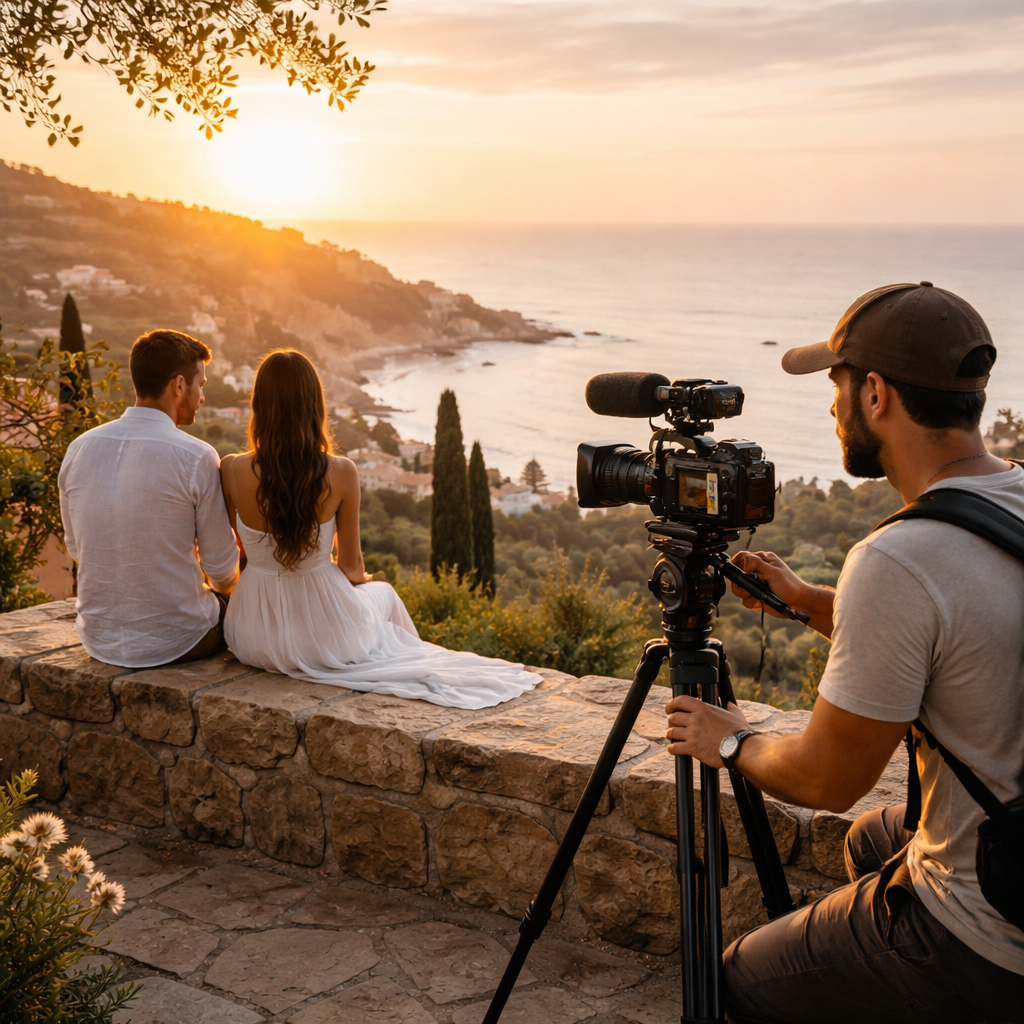
Let’s cut through the noise. When you’re choosing an elopement videographer, the real magic shows up in the technical details—not just the pretty highlights. You want a film that mirrors your day, not a generic montage.
In our experience, couples who focus on gear, process, and measures for reliability walk away with a film that feels personal and polished. So what should you actually ask about beyond the vibe in a sizzle reel?
1) Camera setup and sensor capabilities
Ask what cameras they own, the sensor size, and whether they shoot in log or RAW. A true full‑frame setup with 10‑bit color and a log profile gives you more latitude to recover highlights on bright Spanish days and to preserve detail in shadows. If they can show side‑by‑side footage from different sensors, you’ll see how color and contrast translate in real scenes.
Think about it this way: two weddings at the same location can look worlds apart if one shooter shoots with a flatter profile and better dynamic range. That’s not just tech talk—that’s future you reviewing the film decades from now.
2) Low light, color accuracy, and exposure discipline
Spain’s mornings and late‑afternoon light can swing from delicate to dramatic in a heartbeat. Probe how they handle low light, white balance, and exposure consistency across scenes. Do they test white balance on the fly, rely on in‑camera LUTs, or stack measurements to keep skin tones natural in varied settings?
Ask to see a sample from a sunrise moment or a candlelit moment. If the footage holds skin tones, preserves texture in shadows, and doesn’t slip into neon greens or overly warm hues, that’s a good sign.
3) Audio capture and wind mitigation
Sound is emotional glue. Inquire about mic setup (lavaliers, ambient mics, shotgun mics) and wind protection—wind socks, blimps, dead cats—and how they balance vows with environmental sounds. A great reel can look stunning, but if the vows sound distant or rushed, the film loses its heart.
Pro tip: ask for a quick explanation of how they mic the ceremony and manage wind, crowd noise, and architectural acoustics in outdoor venues.
4) Lenses, stabilization, and shot philosophy
Find out which lenses they favor for intimate moments (50mm, 85mm) versus wide establishing shots, and how they mix handheld fluidity with cinematic stabilization. The lens choices reveal how they tell your story—are they leaning into close, human moments or sweeping landscapes that dwarf the couple?
And what’s their stance on movement? Do they prefer slow, deliberate movements or unobtrusive, candid camera motion that lets emotion lead the day?
5) Gear redundancy and data safety
Ask about backups: multiple bodies, extra cards, on‑site backups, and off‑site storage. Accidents happen—your videographer should have a crisis plan so nothing is lost to a bad card or a dropped drive. This is where reliability shows up in your final film.
So, what’s the real takeaway? You want a practical demo of how they handle the day from first light to the dance floor—before you commit.
One reference point you can explore for a firsthand look at how tech meets storytelling is Adventurous Elopement Films: Why Couples Need One, which illustrates how tech choices translate into a narrative. For planning context on how these practices fit into a broader content strategy, you can glance at how to choose and implement a programmatic SEO tool for scalable growth and Best Content Calendar Software for Marketers in 2026—two practical reads that help you map a project timeline and deliverables at scale.
Finally, in our line of work with international couples planning destinations in Spain, we often see questions about permits, insurance, and local regulations. Does your shortlist include a plan for permitting around heritage sites, or an understanding of drone regulations if you want aerials? If you’re unsure, we can walk you through how these details influence the filming plan—and the final cut.
Step 3: Discuss storytelling approach
Now that you’ve nailed down style and tech, it’s time to see how a videographer actually weaves a story. This isn’t just about “do you have a drone?” – it’s about the narrative choices they make when the sun is rising over the Alhambra gardens or when you’re sharing a quiet laugh on a cliffside.
Start the conversation with a simple prompt: “Can you walk me through a recent elopement you filmed and how the story unfolded?” Their answer will reveal three things you need to hear:
- Do they think in chapters (setup, conflict, resolution) or just a highlight reel?
- How do they use the location as a character, not just a backdrop?
- What emotional beats do they prioritize – the nervous first‑look, the whispered vows, the post‑ceremony walk?
When they answer, listen for concrete examples. A good storyteller will say something like, “We opened with a time‑lapse of the sunrise over the rooftop so the light became a metaphor for a new beginning, then cut to a handheld, intimate moment of you two holding hands on the stone steps.” If they speak in vague adjectives only, you may need to probe further.
Map the narrative arc together
Take the interview a step further by co‑creating a rough outline. Grab a notebook (or a Google Doc) and ask:
“If we were to break the day into three acts, where would you place the emotional peaks?”
Typical elopement arcs look like this:
- Arrival & anticipation – footage of the journey, the landscape, the quiet moments before the ceremony.
- The ceremony – focus on vows, close‑ups of hands, ambient sound of wind or waves.
- Celebration & reflection – the kiss, the walk‑away, candid laughter, maybe a short interview snippet.
Ask them to point out where they’d inject B‑roll (the sweeping drone, the rustling olive trees) to keep the pace alive. This tells you whether they treat your day like a film or a montage.
Ask about interview‑style questions
Even if you’re not planning a formal “guest book” interview, many elopement films include a quick, off‑camera Q&A with the couple. It adds personality and gives you material for future anniversary edits.
Sample elopement videographer interview questions you might hear from them:
- “What’s the one word you’d use to describe today?”
- “Can you share a funny story from the planning phase that made you both nervous?”
- “How did you decide on this location, and what does it mean to you?”
When they explain how they’ll use those answers, you’ll see if they’re comfortable with candid moments or if they’ll try to script everything – a key clue for camera‑shy couples.
Look for data‑driven storytelling
Some videographers track which shots get the most replay value. They might say, “In the last 20 elopements, the sunrise timelapse was the most‑watched 10‑second clip on Instagram, so I always prioritize that.” This shows they’re not just shooting; they’re learning from audience behavior and tweaking the story accordingly.
It also opens a natural segue to discuss post‑production: “Do you create separate social‑media cuts, and how do you decide which moments to highlight?”
Check the editing philosophy
Storytelling lives in the edit. Ask, “Do you prefer a linear timeline or a more poetic collage?” If they lean toward collage, request a sample that mixes music‑driven rhythm with natural sound. If you love a classic three‑act structure, make that clear.
Ask about music choices, too. “Do you source royalty‑free tracks, or do you work with a composer?” A composer often means a custom emotional arc, which can elevate the story.
Real‑world example
Imagine Ana (an international couple) planning a sunrise elopement at the Alhambra gardens. She asks the videographer, “How would you turn the ancient arches into part of our love story?” The filmmaker replies, “I’d start with a drone fly‑over at golden hour, then cut to a close‑up of your vows echoing off the stone, followed by a slow‑motion walk‑away where the light filters through the arches – that visual echo reinforces the timeless vibe you want.” Because the answer is specific, Ana feels confident the storyteller gets her vision.
Another case: Luis and Maya wanted a rugged cliffside ceremony in Costa Brava. Their videographer mapped the day into three acts, added a short “why we chose this spot” interview, and used the crashing waves as an audio motif throughout. The final film felt like a short adventure documentary rather than a generic highlight reel.
Put it all together
When you’ve gathered these details, create a quick checklist:
- Does the videographer describe a clear narrative arc?
- Do they use location as a character?
- Are they comfortable with candid interview moments?
- Do they back their storytelling choices with data or past examples?
- Is their editing style aligned with your preference?
If the answer is “yes” to most, you’ve likely found a true storyteller.
For a deeper dive into how narrative choices impact the final film, check out Wedding Videographer for Elopements, which breaks down storytelling techniques step‑by‑step.
And if you’re curious about the tech tools that help creators turn raw footage into compelling stories, the industry’s best AI tools for content marketing in 2026 can give you a glimpse of the post‑production magic happening behind the scenes.
Step 4: Review portfolio and contract details
Now that you’ve asked the big‑picture interview questions, it’s time to dig into the proof that the videographer can actually deliver.
Start by pulling up their portfolio and watching a full‑length elopement film—not just a highlight reel. A three‑minute teaser can hide gaps; you want to see how they handle the ceremony, the vows, and the quiet walk‑away.
Ask yourself: does the story flow the way you imagined? Look for a clear narrative arc—setup, conflict, resolution—just like we highlighted in Step 3. If the footage feels like a random montage, you might be staring at a technically competent shooter rather than a storyteller.
Take notes on three things: (1) how the location becomes a character, (2) whether candid interview moments feel natural, and (3) the colour and lighting consistency across sunrise, midday and golden hour shots. Those details will surface again when you compare contracts.
When you’ve got a shortlist, request a private link to a recent full edit that matches your vibe—maybe a cliffside ceremony in Costa Brava or a sunrise in the Alhambra gardens. Seeing the exact pacing, music choices and audio‑mix will tell you if the filmmaker’s style aligns with your expectations.
Next, pull the contract into view. The fine print often hides the real cost and the level of service you’ll receive. Scan for these must‑have clauses:
• Delivery timeline – how many weeks until the first cut arrives?
• Revision policy – how many rounds of edits are included and what’s the turnaround for each?
• Rights & usage – will you own the master file, and can you share clips on social media?
• Cancellation & reschedule terms – especially important for international travel plans.
• Travel expenses – does the fee cover flights, accommodation and permits for historic sites?
If a clause feels vague, turn it into another elopement videographer interview question: “Can you walk me through the post‑production schedule and what happens if we need a faster turnaround for a family viewing party?” This not only clarifies expectations but also shows the videographer that you’re serious about timelines.
Don’t forget insurance. A professional will carry public liability insurance and equipment coverage. Ask for proof and keep a copy in your wedding folder. It’s a small step that protects both you and the filmmaker should anything go sideways on a remote cliff.
Here’s a quick checklist you can paste into your notes app:
□ Portfolio shows at least three full elopement films with varied lighting.
□ Contract includes clear delivery dates, revision limits and ownership rights.
□ Insurance certificate is provided.
□ Travel costs and permit fees are spelled out.
□ Cancellation policy is no‑surprise and respects a 30‑day notice.
When every item on that list checks out, you’ve moved from “maybe” to “yes.” It’s the moment you feel confident the person behind the camera truly gets your vision and your legal peace of mind.
The video below walks you through a sample contract review, highlighting the sections couples most often overlook. Take notes as you watch—it’s a handy visual companion to the checklist above.
Finally, capture the vibe of this step in a single image: a relaxed couple reviewing a laptop screen together, sunlight spilling over a rustic Spanish terrace, the contract open beside a coffee cup.

Step 5: Compare pricing, availability, and deliverables
Now that you’ve asked the right elopement videographer interview questions, it’s time to line up the numbers, the calendar, and the final product you’ll actually hold in your hands. Think of it as the budgeting chapter of a road‑trip guide – you need to know how much fuel you’ll need, when you’ll hit the highway, and what scenery you’ll see along the way.
First, pull the quote apart like you would a map. Does the price include travel to your chosen Spanish spot – whether it’s a sunrise cliff in Costa Brava or a hidden garden in Andalucía? Ask, “What’s covered in your fee and what might be an extra?” A clear answer prevents surprise invoices for flights, accommodation, or permit fees later on.
Next, check availability. Elopement seasons in Spain can fill up fast, especially in the coveted months of May through September. A good videographer will give you a concrete window: “We’re booked for the 15th‑20th of June, but we can lock in the 12th if you need it.” If their calendar feels vague, you might be looking at a freelancer who’s juggling too many projects.
And then the deliverables – the tangible outcome of all that conversation. Do they promise a 5‑minute highlight, a full‑day documentary, raw footage, or a separate audio‑only file of your vows? Write these down as you would a checklist of must‑have items for your wedding day. The more specific the answer, the easier it is to compare vendors side by side.
So, how do you actually compare? Grab a simple spreadsheet or a piece of paper and create three columns: Pricing, Availability, and Deliverables. Fill each row with the details you gathered. Below is a quick table you can copy‑paste into your notes:
| Factor | What to Ask | What to Look For |
|---|---|---|
| Pricing | “Does your fee include travel, permits, and any post‑production revisions?” | All‑in‑one quote with line items; no hidden costs. |
| Availability | “What dates are open for my ceremony window?” | Specific dates, buffer for weather or travel delays. |
| Deliverables | “Will I receive a highlight reel, full edit, and raw footage? When?” | Clear list of video lengths, formats, and delivery timeline. |
When you compare two or three candidates, look for the one who balances cost with what matters most to you. For an adventure‑seeking couple, a slightly higher fee might be worth it if it includes a drone crew that can capture the cliffside swoop you’ve been dreaming about. For a privacy‑focused pair, a vendor who offers a limited‑distribution master file and strict usage rights may be the priority, even if the price is a bit lower.
Don’t forget the revision policy. Ask, “How many rounds of edits are included and how quickly can we expect each?” A solid revision schedule means you won’t be stuck waiting months for a final cut, and you’ll have the flexibility to tweak the music or color grading before the film lands on your anniversary night.
Finally, trust your gut. If a videographer’s answer feels rehearsed or they dodge details, that’s a red flag. The best collaborators are transparent, enthusiastic, and ready to walk through each line item with you – just like a good interview partner would.
Bottom line: turning those interview questions into concrete data points empowers you to pick a videographer who fits your budget, your timeline, and your vision. When the numbers line up, you can breathe easy knowing your elopement film will arrive on schedule, look exactly how you imagined, and stay within the financial plan you set.
Conclusion
After you’ve walked through style, tech, storytelling, portfolio, pricing and all the little details, the final piece of the puzzle is simple: trust the answers you got from your elopement videographer interview questions.
Did you feel a genuine spark when they described how they’d capture the sunrise on the Costa Brava cliffs? Did they give you clear numbers on revisions, delivery dates, and travel costs? Those moments are the data points that separate a true partner from a vendor.
Remember, the best fit feels like a teammate who already knows the rhythm of your adventure—something we see at Stories by DJ every day. They’ll respect your privacy, handle permits for historic sites in Spain, and still have room for a spontaneous laugh.
So, what’s the next step? Take your checklist, compare the answers side‑by‑side, and pick the one who answered with confidence—not a rehearsed script. A quick “yes, that sounds right” from your gut is often the loudest endorsement.
When the right videographer is on board, you can breathe easy knowing the film will arrive on schedule, look exactly how you imagined, and become the timeless keepsake you’ll revisit on every anniversary.
Take a moment now to email your top two candidates, ask any lingering question, and set a quick call to seal the partnership.
FAQ
What are the most essential elopement videographer interview questions to ask?
Start with the basics: ask how many elopements they’ve filmed in Spain, which regions they know best, and what their cinematic style looks like. Follow up with gear specifics—full‑frame cameras, lenses, and backup plans. Don’t forget logistics: travel costs, permits for historic sites, and how they handle revisions. These questions give you a clear picture of experience, style, and reliability before you commit.
How can I tell if a videographer truly understands my destination‑elopement vibe?
Listen for concrete examples. A good answer might reference a sunrise ceremony on the Costa Brava cliffs or a quiet vow exchange in the Alhambra gardens, describing how they used natural light and steady‑cam movement to capture intimacy. If they speak in vague adjectives only, ask for a short clip from a similar location. Seeing the actual footage helps you gauge whether their vision matches yours.
What should I ask about the editing timeline and delivery format?
Clarify the post‑production schedule: “How many weeks until the first cut arrives, and what’s the timeline for final delivery?” Also, ask about revision rounds—how many are included and how quickly they can turn around changes. Finally, confirm the file formats: will you get a 4K master, a highlight reel for social media, and perhaps an audio‑only file of your vows?
Why is it important to discuss rights and usage up front?
Understanding who owns the master file and how you can share clips avoids surprises later. Ask, “Will I have full ownership of the footage, and can I use it on my wedding website or Instagram?” If the contract limits usage, you might need a separate licensing add‑on. Clear rights mean you can relive your film whenever you want, without legal headaches.
How do I address travel and permit costs for a Spanish elopement?
Make sure the quote breaks down travel expenses: flights, accommodation, and any local transport. Then, ask, “Do you handle permits for heritage sites like the Alhambra or coastal cliffs, and are those fees included?” A transparent cost structure shows the videographer’s professionalism and saves you from hidden fees when the day arrives.
What red flags should I watch for during the interview?
If answers feel rehearsed, numbers are vague, or they dodge specifics about gear redundancy, it’s a warning sign. Another red flag is an unwillingness to share a full‑length sample—most reputable videographers will gladly provide a private link. Finally, if the revision policy is unclear or they refuse to discuss rights, you’re likely dealing with someone who isn’t prioritising your peace of mind.
Can I combine planning services with videography, and how should I ask?
For couples who want a single point of contact, phrase it like, “Do you also offer destination‑elopement planning support, such as venue scouting or permit assistance?” If they do, ask how the services are bundled and whether there’s a discount for a combined package. This can streamline communication and ensure every detail—from the ceremony timeline to the final film—flows smoothly.
Previous Article
What Is a Destination Elopement and Why It Resonates

I'm Dominick let's craft your perfect Mediterranean elopement.
Let's create a day that captures your love, surrounded by the Mediterranean's beauty. Ready to plan your perfect escape?
Start your Adventure Let's talk!