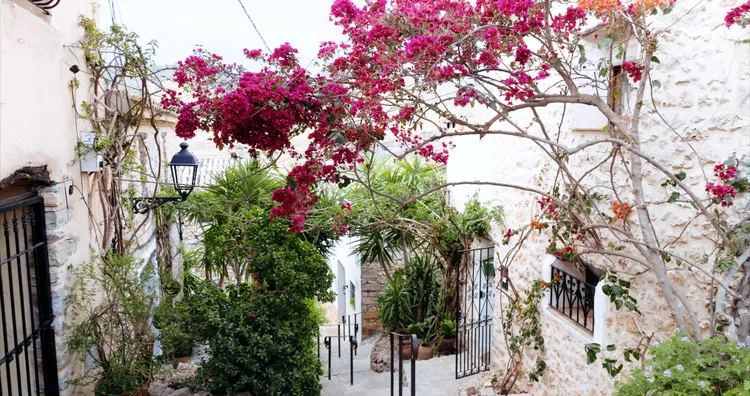
Elopement Planner in Spain: From Permit to Sunset Vows
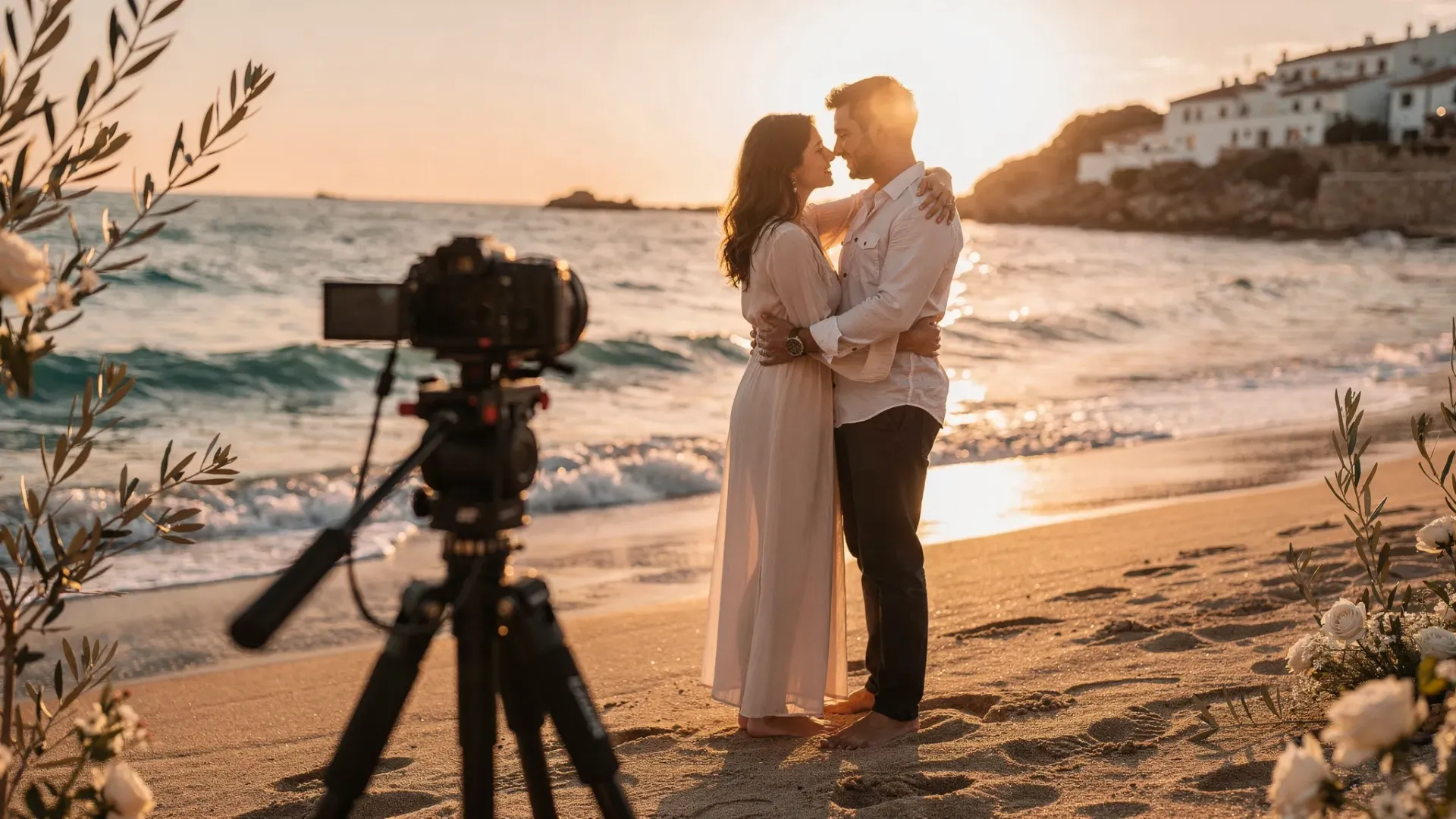
Paperwork is not the reason you’re eloping in Spain.
You’re doing this for the way the Mediterranean light turns the sea into molten gold, for the quiet bravery of choosing each other over expectations, for vows that feel like a secret you’re finally allowed to say out loud.
But to reach that sunset, there’s a real-world path that matters too: permits, rules, timing, backups, and tiny logistics that can either disappear into the background, or steal your peace.
I’m Dominick, founder of Stories by DJ. I plan and film intimate elopements across Spain, and this is the exact journey I guide couples through, from that first “Could we actually do this?” to the moment you exhale and say your vows with the sun dropping behind the horizon.
What an elopement planner in Spain really does (beyond booking a pretty spot)
Most couples don’t need “more wedding.” They need less stress, more clarity, and a day that feels like them.
When you hire an elopement planner in Spain, you’re not just hiring someone to make calls. You’re hiring a translator between your dream and Spain’s reality, especially when your ceremony happens outdoors, on the coast, in a historic place, or inside protected nature.
Here’s what I focus on as your planner, producer, and filmmaker:
- Permit strategy: figuring out who controls the location, what’s allowed, what’s restricted, and what paperwork (if any) is required.
- Experience design: shaping a day that feels intentional, not rushed. Spain is made for slow romance.
- Light-first timelines: building your ceremony around golden hour and avoiding harsh midday sun, heat, crowds, and wind.
- Minimal vendor approach: only the partners you actually need, chosen for calm energy and high craft.
- Backup plans that still feel cinematic: so weather changes don’t turn into panic.
- Storytelling: not just documenting what happened, but crafting a film that feels like your relationship.
If you want a deeper look at how I approach planning (and what “full-service” means in my world), you can read my perspective on an elopement planner.
Step one: choosing the Spain that matches your love
Spain isn’t one vibe. It’s many.
Some couples want sea cliffs and salt in their hair. Some want mountain air and silence. Some want old stone streets at sunrise, then champagne on a balcony. Before permits, before vendors, before any timeline, I always start here: what do you want to feel?
A few romance-forward directions (all within Spain):
Mediterranean coastline (slow, sunlit, intimate)
Think hidden coves, warm evenings, and vows that sound like waves.
Northern green coast (moody, cinematic, wild)
More drama in the skies, lush cliffs, and that feeling of being tiny together in the best way.
Andalusia (poetry, warmth, texture)
White villages, olive groves, desert edges, and sunsets that feel like a painting.
Islands (Spain, but separated from everything)
If you want the emotional vibe of “we left the world behind,” the Spanish islands can create that.
Once we choose the emotional setting, the planning becomes simpler. Not easy, but clear.
Step two: permits in Spain, how they actually work (and why they’re confusing)
Permits are rarely romantic, but they protect your peace.
Here’s the truth: permit requirements in Spain depend on the exact location and the authority that manages it. Two beaches can look identical and have completely different rules because they fall under different jurisdictions.
Most outdoor elopements touch one or more of these:
- Municipal spaces (often managed by the local Ayuntamiento, or town hall)
- Protected natural areas (regional park authorities, sometimes with strict conservation rules)
- Coastal zones (additional rules can apply along the shoreline)
- Historic sites (special limitations on ceremonies, tripods, drones, amplified sound, and access)
And there’s another layer couples don’t expect:
Ceremony permission vs filming permission
Even if you’re having a symbolic ceremony, some locations treat it like an “event.” Separately, some places regulate commercial filming (especially if you bring equipment beyond a very minimal setup).
My job is to help you choose a location where your elopement can breathe, then determine whether we need:
- A formal permit
- A simple authorization
- A location alternative that gives the same feeling with fewer restrictions
For protected areas, Spain’s national park framework is a helpful starting point to understand why rules exist, even though details vary park by park. You can explore the official background via Spain’s National Parks network.
Typical permit pathways (high-level)
I never promise a universal checklist because Spain doesn’t work that way. But I do use a consistent decision tree.
| Location type | Who typically manages it | What often triggers permissions | What I do first |
|---|---|---|---|
| Beach near a town | Local municipality, sometimes coastal authority | Decor setups, chairs, larger teams, peak-hour crowd impact | Identify the exact beach boundary and controlling authority |
| Cliffside viewpoints, trails | Park authority or municipality | Off-trail access, large setups, drone restrictions | Check protected status and any posted regulations |
| Historic streets, plazas | Municipality, heritage rules | Tripods, crowd control, timed access | Plan sunrise or low-traffic windows and a minimal footprint |
| Private land (villa, finca) | Owner, venue manager | Noise rules, access, vendor insurance requirements | Confirm permissions and map the timeline around privacy |
This is why planning early matters. Not because you need a “wedding machine,” but because the best, quietest, most cinematic places often require the most care.
Step three: legal marriage in Spain, and the symbolic alternative most couples choose
A lot of couples come to Spain thinking: “We’ll just sign paperwork there.” Sometimes that’s possible, but it can be complicated for international couples depending on nationality, residency, and local procedures.
So I plan from two starting points:
Option A: legal marriage at home, symbolic vows in Spain
This is the most common route for destination elopements. You get the legal part done simply in your home country, then Spain becomes the place where the marriage feels real.
Option B: legal marriage in Spain (only if it truly makes sense for you)
If you want to explore this, I’ll guide you to official sources and help you build a realistic timeline. The Spanish government’s Ministry of Justice is a good place to begin for civil status and marriage-related information, then details often flow through the local civil registry.
For documents used internationally, couples often run into the topic of apostilles, translations, and certified copies. Rules vary, so I always recommend verifying requirements through your issuing authority and Spain’s official channels.
My promise is simple: I’ll never romanticize bureaucracy. I’ll help you make a clean decision so your elopement stays emotional, not administrative.
Step four: building the day you actually want, from first coffee to sunset vows
This is where Spain shines. The culture already understands what many couples are craving: slower hours, real meals, golden light, and time that stretches.
When I design an elopement timeline, I build it around three things:
- Light (sunrise softness, golden hour warmth, blue hour magic)
- Energy (heat, crowds, travel time, how you want to feel)
- Meaning (space for rituals, letters, silence, and celebration)
Here’s a sample “sunset vows” structure I use often, tailored to Spain’s rhythm.
| Moment | What it feels like | Why it works in Spain |
|---|---|---|
| Slow morning | Coffee, quiet, a balcony, your nervous excitement | Spain invites calm mornings and unrushed starts |
| Midday rest | A long lunch, a nap, journaling vows | The classic siesta logic helps you avoid heat and crowds |
| Late afternoon adventure | Drive, short hike, boat ride, or wandering old streets | You arrive as the light starts turning cinematic |
| Golden hour ceremony | Vows, wind, sunlight on your skin | This is when Spain looks like a dream on film |
| Blue hour portraits | Soft twilight, city lights flickering on, calmer air | It feels intimate, like the world is holding its breath |
| Dinner celebration | Tapas, seafood, cava, a private table | Food becomes part of the story, not an afterthought |
If you’re eloping somewhere coastal, I’m especially careful with wind, tides, and access points. If you’re in the mountains, I plan around elevation temperature shifts and trail timing.
And if your dream is truly at sea, I’ve also written a dedicated guide to elope on a boat in Spain because that version of sunset vows is its own kind of magic.
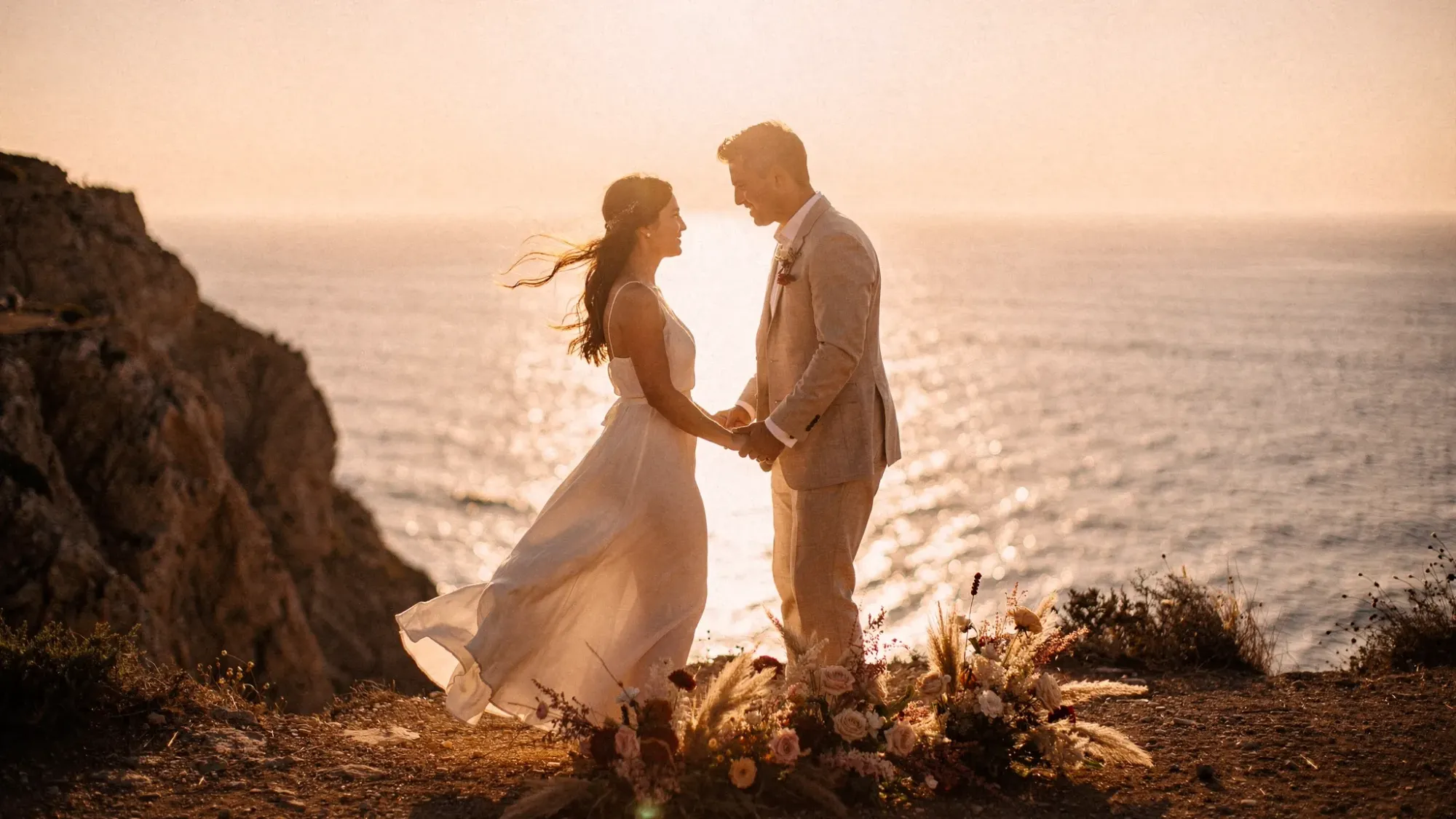
Step five: weather, crowds, and the backup plan that still feels like you
Spain is generous with sunshine, but it’s still nature, and nature doesn’t sign contracts.
The big three factors I plan for:
Heat
Summer can be intense in many regions. I often steer couples toward shoulder seasons, shaded locations, or late timelines that keep your ceremony in the comfort zone.
Wind
Coastal Spain can get breezy, especially on cliffs and open beaches. Wind changes audio, hair, dress movement, and comfort. I plan for it with location choice, ceremony orientation, and simple styling that doesn’t fight the elements.
Crowds
The most iconic spots are beautiful for a reason, and busy for the same reason. That doesn’t mean you can’t have intimacy, it just means we plan smarter: sunrise windows, weekday choices, hidden access points, and locations that photograph like icons without feeling like tourist stages.
For weather forecasting in Spain, I typically reference the official Spanish meteorological agency, AEMET, especially when we’re timing ceremony locations around wind and coastal conditions.
A true planner’s gift isn’t predicting the future. It’s giving you options so you never feel trapped.
Step six: the vendor team, small but unforgettable
Elopements don’t need a crowd to feel like a wedding. They need intention.
When I build vendor teams in Spain, I keep it minimal and meaningful. Depending on your vision, that might include:
- A celebrant or officiant for a symbolic ceremony
- Hair and makeup that holds up in wind and heat
- Florals that look like they belong in the landscape (not imported drama)
- A private chef, or a reserved table at a restaurant that feels like your secret
- A driver, a boat captain, or a guide if the adventure demands it
I recommend partners I trust when it makes sense, and I keep everything aligned with one goal: you feel present.
Step seven: the moment you came for, sunset vows that feel like a turning point
Permits matter. Timelines matter. Logistics matter.
But the heart of it is simple.
When you stand together in Spain, maybe barefoot near the water, maybe on a trail above the sea, maybe tucked into an ancient street as the lamps come on, the day becomes less about “getting married” and more about choosing each other without noise.
That’s what I’m protecting with every email, every map pin, every permit conversation, every backup plan.
If you’re still deciding what kind of Spain elopement fits you, start with my broader guide to how to elope in Spain or explore the experience I offer on my elopement in Spain page.
And if you want me in your corner, as your elopement planner and filmmaker, bringing your day from permit to sunset vows, you can reach me through Stories by DJ.
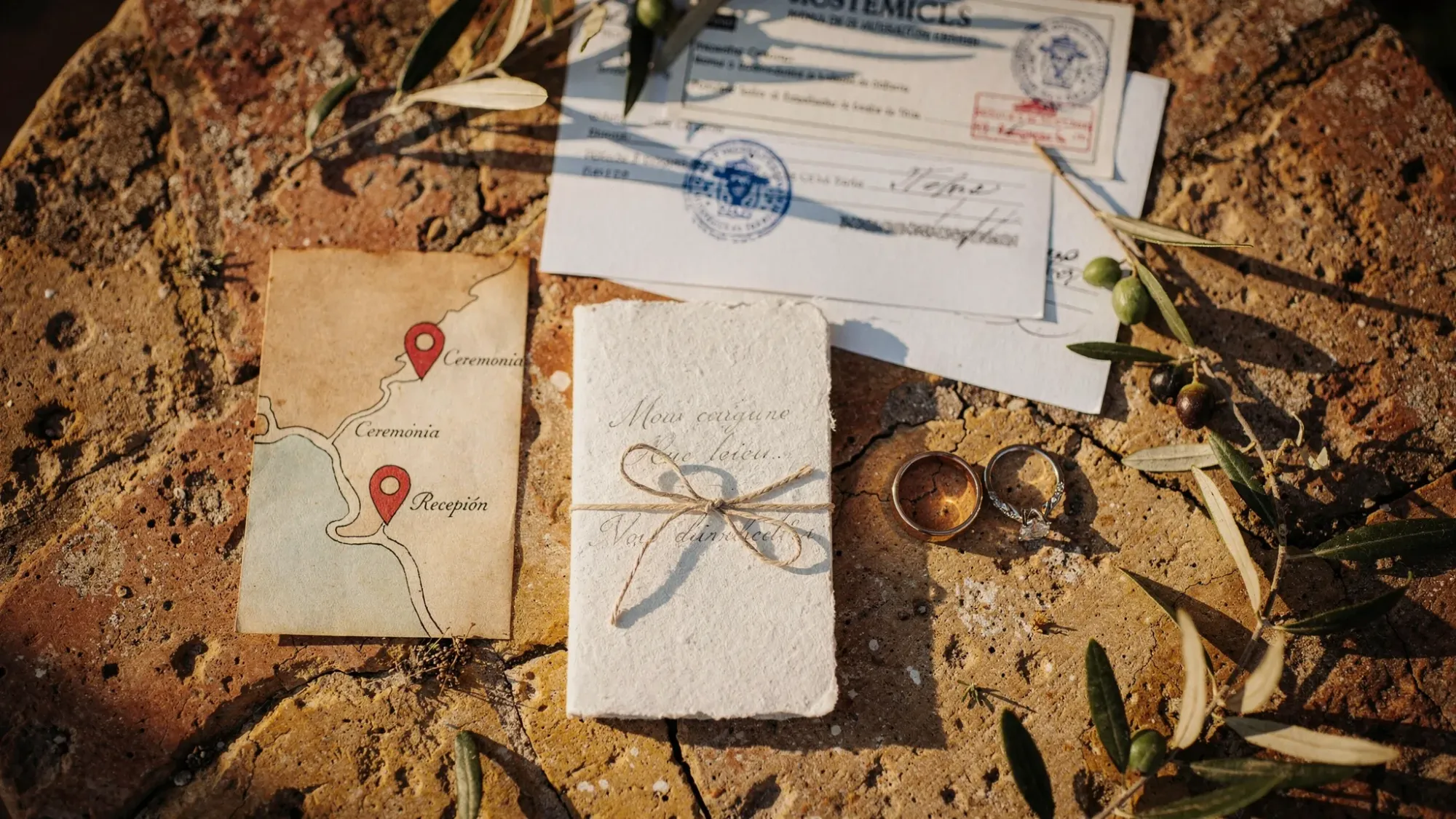

I'm Dominick let's craft your perfect Mediterranean elopement.
Let's create a day that captures your love, surrounded by the Mediterranean's beauty. Ready to plan your perfect escape?
Start your Adventure Let's talk!